
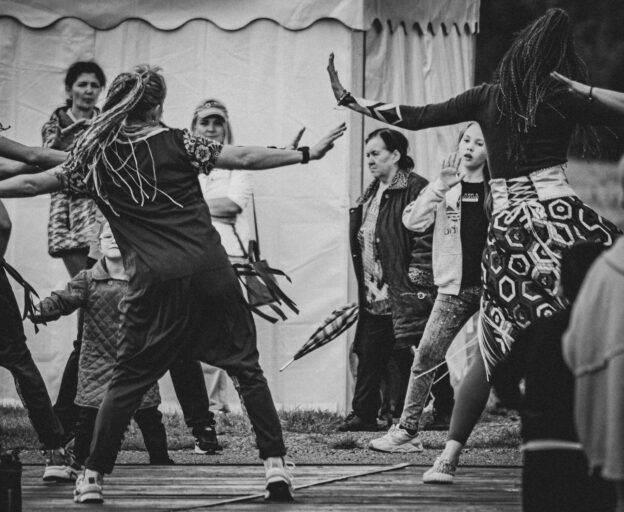
Every June, Copenhagen transforms. Entire neighborhoods in Nørrebro and Vesterbro become open-air dance floors, bass rumbles off apartment facades, and large crowds pour into the streets for a week-long celebration of electronic music and controlled chaos called Distortion. It is considered one of the largest street festivals in Europe. And the person who made it happen is reportedly a Frenchman named Thomas Dalvang Fleurquin.
A profile in The Copenhagen Post digs into the life and motivations of Fleurquin, the self-described “madman” behind Copenhagen’s underground cultural infrastructure. The timing is deliberate: Distortion 2026 is just a couple of months away, and the festival’s role in shaping how Copenhagen thinks about public space, nightlife, and cultural identity remains as relevant as ever.
From France to Copenhagen’s Underground
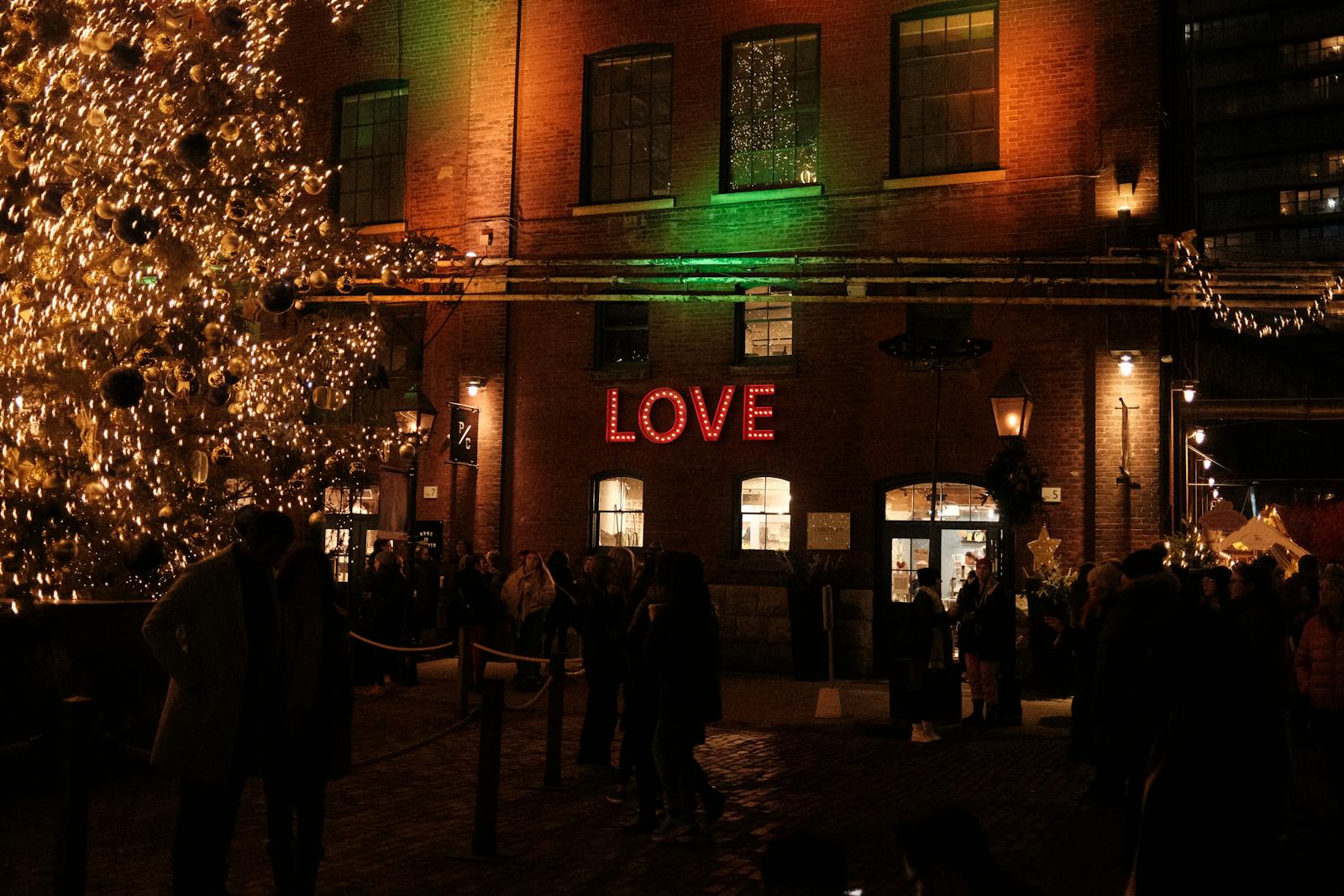
According to the CPH Post profile, Fleurquin arrived in Copenhagen as a young Frenchman and embedded himself in the city’s underground scene — not through institutional channels but through the clubs, warehouse parties, and informal networks where the city’s cultural energy actually lived. He describes himself as “a bit of a madman,” and the profile makes clear this isn’t false modesty or branding. It’s a reference to the particular kind of stubbornness required to build something as improbable as Distortion from scratch, without the backing of a municipal arts council or a corporate events company.
Fleurquin’s involvement in Copenhagen’s cultural life extends well beyond the festival itself. The CPH Post describes him as a figure woven into multiple aspects of the city’s English-language cultural ecosystem — someone who didn’t just organize one big event but helped build the connective tissue between the underground scene and the wider city. Distortion was the most visible outcome, but it grew from years of smaller, less visible work: promoting parties, cultivating relationships with venues, and navigating the gap between what Copenhagen’s nightlife community wanted and what its institutions were willing to permit.
What makes Fleurquin’s trajectory unusual is not simply that he’s French — Copenhagen has plenty of expats — but that he took on a role that typically falls to well-connected locals with institutional backing. Building a street festival that takes over entire neighborhoods requires deep trust from city authorities, residents’ associations, and police. As an outsider, Fleurquin had none of that trust by default. He had to earn it year after year, edition after edition, navigating the labyrinthine Danish bureaucracy around noise permits and public gatherings while simultaneously keeping the event’s underground credibility intact. That balancing act, between institutional cooperation and countercultural energy, is arguably the central achievement of his career.
What Distortion Actually Is
For the uninitiated, Distortion is not a conventional music festival with a fenced perimeter and wristband tiers. It is a week-long event that takes over entire neighborhoods of the Danish capital, moving through different districts on different days. The daytime street parties are free and enormous, spilling across intersections and parks, while nighttime events shift into clubs and warehouses. The festival attracts substantial crowds, making it comparable in scale to major European street festivals.
The festival combines spontaneity with careful planning, operating as a large-scale street party within a dense urban environment — and the word “organized” is doing significant work in that phrase. Running a street party of this magnitude requires extraordinary coordination with city authorities, police, residents’ associations, and the labyrinthine Danish bureaucracy around noise permits and public gatherings. That Fleurquin navigated all of this, year after year, as a French transplant without establishment connections, says something about both his tenacity and Copenhagen’s capacity to accommodate cultural ventures that don’t fit neatly into institutional boxes.
Copenhagen’s Complicated Relationship with Its Own Nightlife
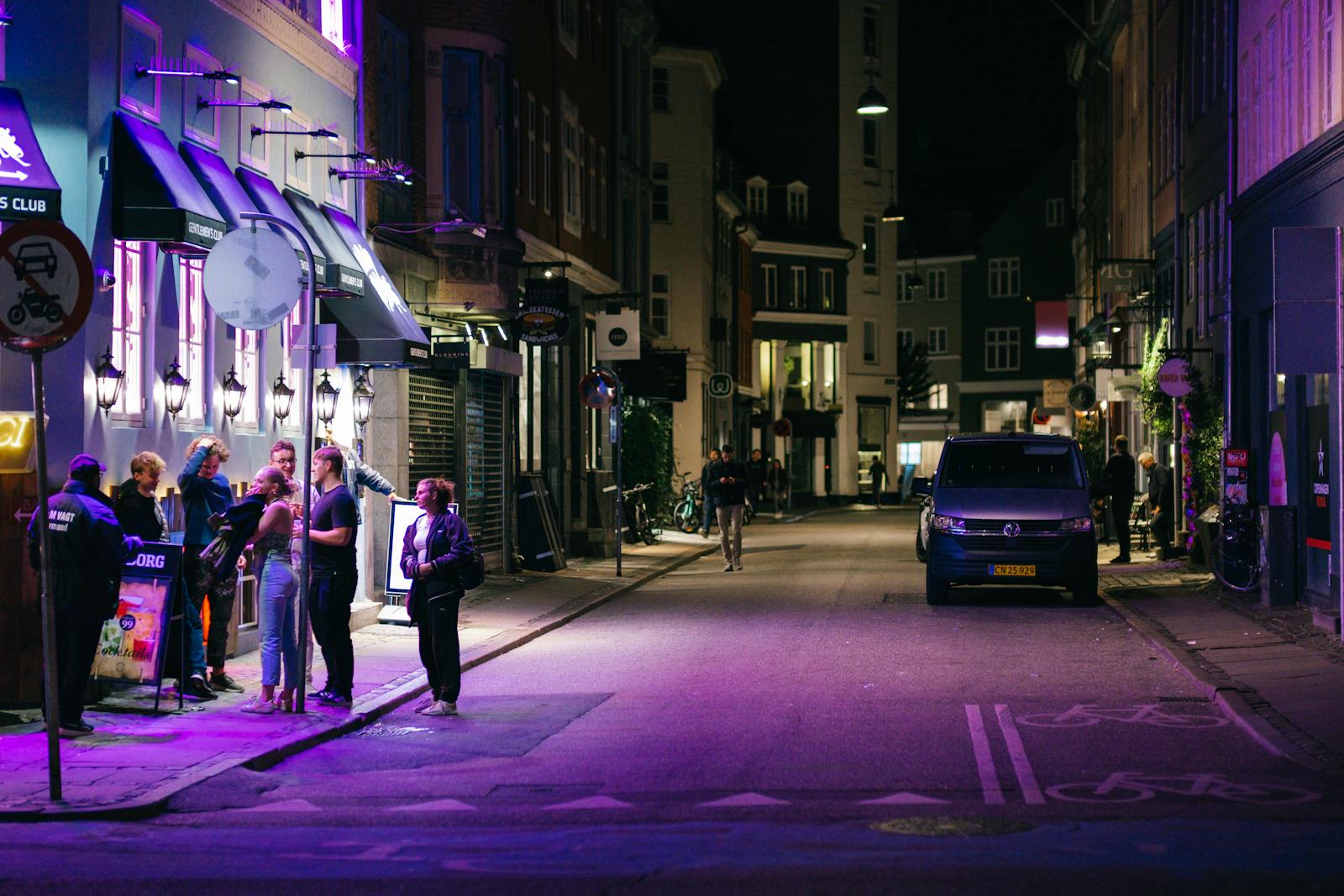
Distortion exists in a tension that defines much of Copenhagen’s cultural politics. The city brands itself as creative, youthful, and livable. It trades on its reputation for design, cycling culture, and new Nordic cuisine. But it has also, over the past decade, steadily squeezed the informal spaces where underground culture actually happens. Clubs close. Noise complaints multiply. Rents climb. The very neighborhoods that Distortion celebrates — Nørrebro, Vesterbro — have gentrified dramatically since the festival’s early years.
This is the paradox that Fleurquin has inhabited for decades: building a massive, internationally recognized cultural event in a city that simultaneously loves the idea of its underground scene and struggles with the messiness that underground culture actually requires. Distortion is now big enough to be a tourist draw and a point of civic pride, but it was born from the same impulse that produces illegal raves in industrial zones and pop-up bars in condemned buildings. Fleurquin’s particular skill has been holding those two realities together — making the event legible enough for the municipality to approve and chaotic enough for the crowd to believe in.
What Distortion Tells Us About Copenhagen
The fact that Distortion continues to thrive, drawing large crowds year after year, reveals something important about what Copenhagen actually needs. For all the emphasis on orderly public life — the pristine bike lanes, the carefully designed public squares, the quiet residential neighborhoods — there is genuine hunger for events that temporarily dismantle the usual rules. Distortion works precisely because it is the opposite of Danish orderliness. It is loud, crowded, chaotic, and slightly out of control. And Copenhagen keeps coming back to it.
It is also telling that the person who built this thing came from outside. Denmark’s cultural institutions are well-funded and professionally run, but they tend toward consensus and caution. Fleurquin’s self-identification as “a bit of a madman” reads differently in a Danish context than it would in Paris or Berlin. In a culture that values moderation and collective harmony, claiming madness is a minor act of rebellion in itself — and the fact that this particular rebellion became one of the city’s defining cultural exports suggests that Copenhagen needed someone willing to push against its own instincts.
This year’s edition, expected in June, will once again test the city’s appetite for large-scale disruption. As Danish critics assess the summer festival landscape, Distortion occupies a unique position: part music festival, part urban experiment, part argument about what public space is actually for.
Fleurquin has been shaping that argument for decades. Whether Copenhagen’s underground scene can sustain the pressures of rising costs, tighter regulation, and the relentless gentrification of its host neighborhoods is an open question. But the fact that it exists at all — that one restless Frenchman’s vision became a defining feature of Scandinavian urban culture — is worth more than a passing thought the next time crowds fill the streets of Nørrebro.
Photo by Radik 2707 on Pexels