
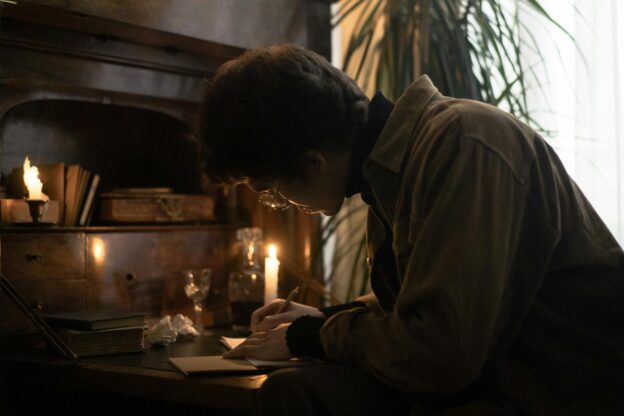
Most cultures treat grief like a problem to be solved with language, asking how someone is doing or if there’s anything they can do. In Scandinavia, the instinct often runs in the opposite direction. The comfort arrives not through what is said but through what is endured together, quietly, without anyone reaching for a phrase to fill the room.
This is not coldness. It is not avoidance. It is a fundamentally different understanding of what a grieving person actually needs, and it took me years of living in Denmark to stop interpreting it as distance.
The question nobody asks
When someone close to a Dane experiences a death, the first response is often physical proximity without interrogation. A friend comes over. Coffee is made. Sometimes food appears. But the relentless verbal check-in that characterizes grief in, say, Australian or American culture is largely absent.
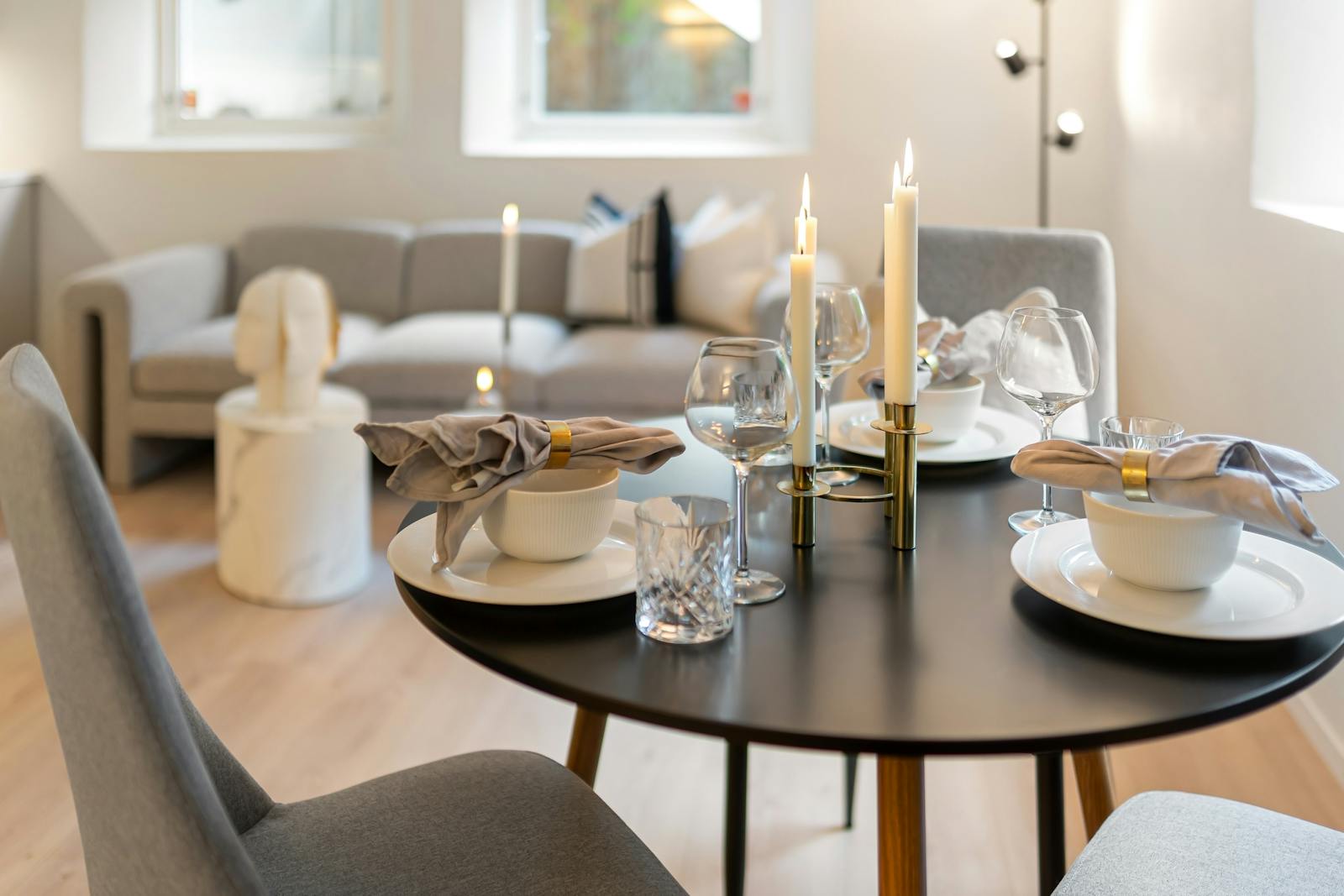
A Danish friend had lost her father, and when a group of us gathered at her apartment, people simply sat. They brought cake. Someone lit candles. There were long stretches of silence punctuated by ordinary conversation about nothing in particular. Nobody asked her how she was holding up. Nobody delivered a speech about what a good man her father had been. The room was warm, the candles flickered, and time passed without anyone trying to shape it into something meaningful.
Coming from a culture where you’re expected to name the pain, to perform emotional engagement through words, I initially thought everyone was being avoidant. I kept catching myself about to say something—some phrase I’d been trained to produce in the presence of loss—and stopping, because nobody else was. It took time to see that they were doing something more sophisticated: they were making space for grief without demanding it perform.
What silence actually communicates
The distinction between low-context and high-context communication cultures, a framework developed by anthropologist Edward Hall, helps explain why Scandinavian grief looks so different from what many Westerners expect. In Hall’s framework, cultures sit on a spectrum. Low-context cultures (much of the Anglophone world, Germany) rely heavily on explicit verbal communication. High-context cultures convey meaning through setting, shared knowledge, and what remains unspoken.
Scandinavian countries occupy an interesting position on this spectrum. In professional settings, Danes and Swedes can be strikingly direct. They will tell you your presentation was poorly structured without softening it with compliments first. I spent my first two years in Copenhagen mistaking this directness for unkindness before recognizing it as a form of honesty I now prefer. But in emotional settings, particularly around grief, the communication style shifts. The directness falls away and something older takes over.
The silence in a room full of grieving Scandinavians is not empty. It is full of a shared understanding: you are here, I am here, and neither of us needs to translate this into words for it to count. In that apartment, watching my friend stare at the candle flame while someone quietly refilled her coffee, I saw this understanding operating at a level that no verbal condolence could reach.
We’ve written before about how Nordic silence is frequently mistaken for coldness. In the context of grief, the misreading is even more pronounced. Outsiders see a lack of emotional expression and assume a lack of emotional depth. The reality is closer to the reverse.
Why asking someone if they’re okay can be a burden
Psychological research suggests that constant verbal check-ins during acute grief can inadvertently place a burden on the grieving person to manage the emotions of the asker. You end up consoling the people who came to console you.
The concept of holding space—presence without agenda—is emphasized in therapeutic approaches to grief support. Writing in Psychology Today on grief and loss explores how individuals experiencing loss navigate support and presence from others during difficult times.
The Scandinavian approach seems to understand this instinctively. The question of whether someone is okay is not banned from the vocabulary. But it is not the default. The default is showing up. In my friend’s apartment that evening, nobody asked her to narrate her pain. Nobody required her to perform gratitude for their presence. She could cry, or not. She could talk about her father, or talk about the weather, or say nothing at all. The room accommodated all of it equally.

Directness about everything except this
One of the things that continues to surprise me about Danish culture, even after a decade, is the selectiveness of the directness. A colleague will tell you bluntly that your idea won’t work. A friend will say, without preamble, that you look tired. But when someone is grieving, the same people who will tell you exactly what they think about your haircut will say almost nothing.
This isn’t inconsistency. It’s discernment. The directness is deployed where it serves clarity. In grief, clarity is not what’s needed. What’s needed is the opposite of clarity: the permission to not know how you feel, to not have an answer when someone asks, to sit in the fog of loss without being asked to describe the weather.
In my recent piece on how people taught to apologize for taking up space become adults who over-explain, I wrote about the patterns we carry from childhood communication into adult life. Grief exposes these patterns mercilessly. People raised in cultures where you must verbally account for your emotions will try to narrate their grief into coherence. People raised in cultures where silence is a legitimate form of communication will let the incoherence exist.
The Scandinavian model says: you don’t have to explain your grief to me for it to be real. I will sit here. I will pour the coffee. I will not ask you to perform.
What this looks like from the outside
Some observers describe Scandinavian grief support as cold or emotionally withholding. I understand why. Cross-cultural communication research consistently finds that people judge unfamiliar communication styles by the standards of their own, and the gap between a Brazilian funeral and a Danish one is enormous.
But look at it from the other direction. A Dane at an American funeral might find the constant hugging and expressions of sympathy exhausting. Both reactions are ethnocentric. Both are also understandable.
The useful question is not which approach is better but what each approach reveals about its underlying assumptions. The verbal approach assumes that grief needs to be externalized to be processed. The Scandinavian approach assumes that grief needs to be accompanied, not directed. The verbal approach puts the comforter in an active role. The Scandinavian approach puts both people in a shared, passive one.
The Scandinavian model contains something that more verbally expressive cultures might learn from: the radical trust that your presence is enough. That you do not need to produce the right words. That the right words may not exist. And that the quiet, if you can tolerate it, does something that language cannot.
The candle, the coffee, the quiet
If there is a ritual to Scandinavian grief, it is this: someone shows up. Candles are lit. Coffee is made, or maybe something stronger. The television stays off. Phones are put away. And time passes.
This sounds simple because it is. That’s the point. In a culture that has built a particular relationship with silence, where you are not expected to fill every pause with speech, grief finds a natural container. The container is not a conversation. It is a room with other people in it, doing nothing in particular, being present without performing presence.
For those of us who grew up elsewhere, this can be deeply uncomfortable at first. The urge to say something, to fix it, to demonstrate that you care by producing language, is strong. Sitting in silence while someone you love is in pain can feel like negligence.
But watch what happens in that silence. The grieving person breathes. They cry, or they don’t. They eat a piece of cake. They stare out the window. They say something and then stop mid-sentence and nobody finishes it for them. The room holds it all without commentary.
This is what words cannot do. Words require the speaker to organize their experience into something transmittable. Silence lets the experience stay shapeless, which is what grief actually is for most of its duration. Shapeless, unpredictable, moving between numbness and anguish with no logic.
Grief as weather
There is a Danish phrase I come back to often. Det går over. It passes. Danes say this about most things: bad weather, bad moods, bad seasons. They say it not with forced optimism but with the bone-deep familiarity of people who have waited out many winters. As Scandinavia Standard has explored, the people who thrive in Scandinavian winters treat darkness as furniture, something to arrange life around rather than fight against. The same could be said for how many Scandinavians treat grief. It is not conquered. It is accommodated.
Applied to grief, det går over carries a strange gentleness. The approach doesn’t imply someone should get over their grief quickly but rather suggests that grief will move through a person. The distinction matters. One implies you should be doing something. The other implies you should let something happen.
And so the Scandinavian approach to grief circles back to something fundamental about how these cultures relate to discomfort in general. They do not rush to eliminate it. They do not treat it as a failure state. They sit with it, literally, until it changes shape on its own.
I think about that evening in my friend’s apartment more often than I expected to. How the candles burned low. How the coffee went cold and someone made more without being asked. How at one point my friend laughed at something—a small, involuntary sound—and nobody treated it as a sign she was okay, and nobody treated it as wrong. The room simply held it, the way it had held the silence before, and the tears before that.
That’s the thing words cannot do. They can describe love, but they cannot be it. Sitting beside someone in silence, asking nothing of them, expecting nothing from them, enduring the discomfort of having no solution to offer: that is something closer to love itself. And it turns out, in the places where winter lasts longest and the dark presses in hardest, people have been practicing it for a very long time.
Photo by cottonbro studio on Pexels