

Evidence note (updated 3 August 2026): Fredagsmys, fika, koldtbord, and seasonal Nordic food traditions are real, but frequency and practice vary by family and workplace. The sources do not establish that these habits are mandatory, universal, or followed in the categorical way some of the original wording suggested.
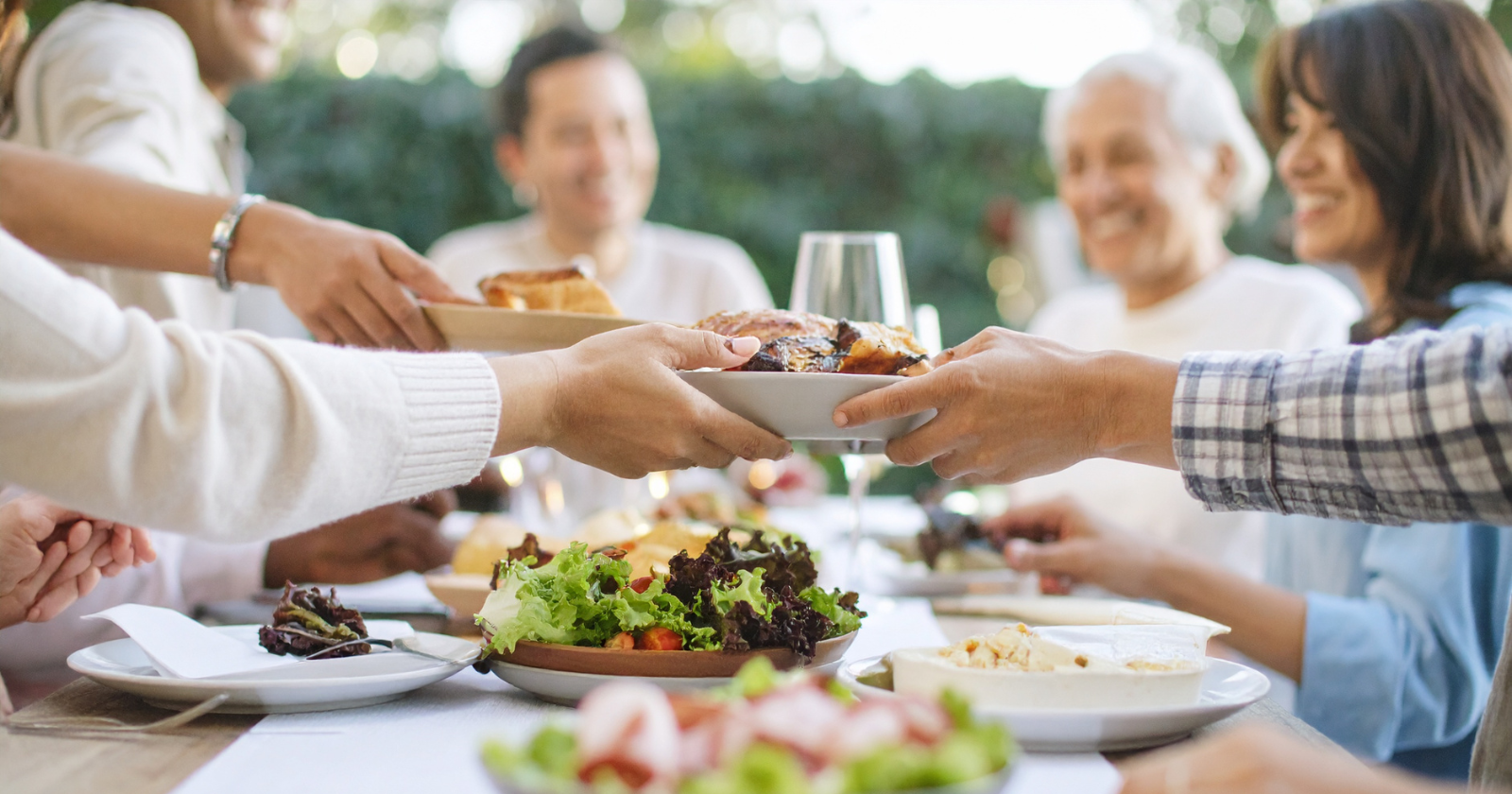
When I visited Copenhagen last spring, I watched a Danish family settle in for their evening meal. No phones on the table, no TV blaring in the background, just five people passing dishes and actually talking to each other. Meanwhile, back home, most of us are eating dinner while scrolling through Instagram or rushing through a drive-through between appointments.
After reflecting on my decades of grabbing quick lunches in the teacher’s lounge — I’ve come to realize that Nordic countries have quietly mastered something we’re still struggling with: making food about connection, not just consumption.
These aren’t revolutionary ideas, but they’re practices that feel almost foreign in our fast-food, eat-at-your-desk culture. Here are seven Scandinavian food habits that might just change how you think about your next meal.
1) Fredagsmys makes Friday nights sacred family time
Forget fancy dinner parties or elaborate weekend plans. In Sweden, Friday nights are for fredagsmys — literally “Friday coziness.” Families gather for simple meals, usually tacos (yes, really) or homemade pizza, followed by candy and a movie together.
What is interesting about this tradition is the recurring idea of Friday comfort, although families vary and it is not literally observed every Friday without negotiation. As Juliana, a Gothenburg resident, puts it: “A savoury breakfast is better for you than a sweet one and fredagsmys [literally ‘Friday cosiness’] is fun on Fridays.”
Growing up, our family dinner conversations ranged from serious to silly, and I learned that connection happens in these small, everyday moments. The Swedes have simply formalized what many of us have lost — the weekly guarantee that everyone will be present, devices down, sharing not just food but time.
2) Fika turns coffee breaks into social rituals
In Sweden, fika can be more social than an ordinary coffee break: people pause to talk, often over coffee and something small to eat. Its frequency varies, and it is not mandatory or necessarily held twice daily in most workplaces.
But here’s what we miss when we grab our Starbucks and rush back to our desks: fika is about the pause, not the pastry. It’s built-in time to step away from work and actually talk to colleagues about something other than deadlines. It works best as a genuine pause rather than a coffee carried straight back to a desk.
When I think about all those rushed lunches in the teacher’s lounge, scarfing down whatever I’d thrown together that morning while grading papers, I realize how much connection I missed. The Scandinavians understand something fundamental — productivity isn’t about working through breaks. It’s about taking real ones.
3) Koldtbord celebrates abundance without excess
The Norwegian koldtbord (cold table) might look like just another buffet, but it represents something deeper about how Scandinavians approach food. These spreads feature local, seasonal ingredients — pickled fish, root vegetables, dark breads, fresh berries — arranged beautifully but without ostentation.
What’s remarkable is the mindset: take what you need, appreciate what’s offered, don’t waste. There’s abundance without gluttony, variety without showing off. Each item has its place and purpose.
I’ve been experimenting with healthy recipes on weekends, trying to undo decades of those teacher’s lounge eating habits I mentioned. The koldtbord philosophy has shifted my thinking — it’s not about restriction or counting calories, but about choosing quality ingredients and savoring them. Food should nourish and bring joy, not guilt.
4) Seasonal eating connects meals to nature’s rhythm
Seasonal berries have an important place in Nordic food traditions, especially in summer, and preservation has long helped carry them into darker months. Imported strawberries are nevertheless available and eaten in winter, so this is a tradition rather than a categorical rule. This might seem obvious, but when did you last think about whether your produce was in season?
Nordic countries have maintained this connection to seasonal eating out of necessity — long winters meant you ate what you could preserve or store. But they’ve turned limitation into celebration. Spring brings wild garlic and nettles. Summer means new potatoes with dill and fresh fish. Autumn brings mushroom hunting and berry picking. Winter calls for root vegetables and preserved foods.
Research on multisensory food experiences in Northern Norway found that local traditions, seasonal changes, and cultural heritage shape unique eating practices. The study emphasizes how sensory elements enhance food experiences — the smell of cardamom in winter, the tartness of lingonberries with game, the earthiness of root vegetables roasted over fire.
5) Communal preparation makes cooking a shared activity
Shared meal preparation occurs in many households, including Scandinavian ones, but the original sources do not establish it as a distinct regional norm. Children peel potatoes, partners chop vegetables, everyone participates. It’s not about efficiency — it’s about the process being as important as the product.
This reminds me of how my boys grew up surrounded by books and learned early that dinner table conversation was expected to be substantive. But before the conversation came the preparation — everyone had a job, whether setting the table or stirring the pot.
The Scandinavians have simply maintained what many of us have let slip away in the age of meal delivery apps and microwave dinners.
6) Outdoor eating happens regardless of weather
Norwegians have a saying: “There’s no bad weather, only bad clothes.” This extends to eating outdoors. Scandinavians regularly pack thermoses of coffee and simple sandwiches for outdoor meals, even in less-than-ideal conditions.
This isn’t about Instagram-worthy picnics. It’s about not letting weather dictate your life. A friend once told me about their tradition of “hygge” lunches — bringing hot soup in thermoses to eat in the park during winter. The cold makes you appreciate the warmth of the food and the company even more.
Since retirement, I’ve discovered that daily walks are as much for my mental health as for Biscuit’s exercise. Adding an outdoor meal to these walks, even just coffee and a sandwich on a park bench, transforms a routine into a ritual.
7) Democratic dining puts everyone on equal footing
Perhaps the most striking Scandinavian food habit is the absence of hierarchy at the table. Some workplaces use communal lunches to reduce visible hierarchy, but this is not a universal rule that places every CEO beside an intern. Children’s opinions about dinner are heard (though not always heeded). Everyone helps serve and clean up.
Fabio Parasecoli, Professor of Food Studies at New York University, notes that “Food and sharing food are very important elements in building identities, both as individuals and as members of communities.” Scandinavians have institutionalized this understanding — meals are democratic spaces where social hierarchies temporarily dissolve.
Finding your own Nordic moments
You don’t need to move to Stockholm or start eating pickled herring to embrace these principles. Start small. Institute one device-free meal a week. Take your lunch outside, even if it’s just to a bench near your office. Involve everyone in meal preparation, even if it means dinner takes longer.
The Scandinavian approach to food isn’t about specific dishes or dietary rules. It’s about recognizing that how we eat matters as much as what we eat. In our rush to optimize everything, we’ve forgotten that meals can be anchors in our day, opportunities for connection rather than just fuel stops.
So here’s my question for you: which of these habits could transform your relationship with food? Not the food itself, but the entire experience of preparing, sharing, and savoring it?