
I moved to Portland fifteen years ago, and every October, I watch the same thing happen. People start bracing themselves. The conversations shift from weekend hikes to vitamin D supplements, from outdoor concerts to SAD lamps.
We armor ourselves against the coming months like we’re preparing for a siege. Meanwhile, in countries where winter arrives with actual darkness at 3 PM and temperatures that make Portland’s worst days look tropical, people are planning ski trips and dinner parties and talking about how cozy everything is about to get.
The difference isn’t the weather. It’s the relationship with the weather. After observing how Scandinavians approach their winters — those long, properly dark winters — I’ve started incorporating their small habits into my own daily routine. These aren’t grand lifestyle overhauls. They’re tiny shifts that accumulate into something larger: a winter that feels like a season to inhabit rather than endure.
1) They dress for the weather they have, not the weather they want
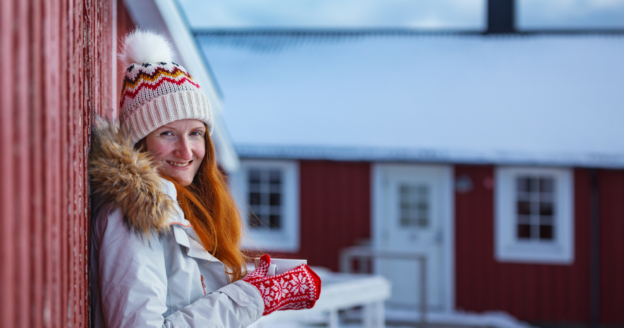
There’s this thing we do here where we pretend it’s not raining. We dash from car to building in inadequate jackets, getting soaked and miserable, as if acknowledging the weather by dressing for it would be admitting defeat. Kari Leibowitz, a health psychologist who studied winter mindsets in Norway, shares what becomes a mantra there: “There’s no bad weather, only bad clothing!”
I’ve started taking this seriously. Proper rain boots, not the cute ones that leak. A coat that actually keeps me dry. Layers that work. The shift is psychological as much as practical — when you’re properly dressed, stepping outside becomes a choice rather than an ordeal.
My morning walks happen regardless of weather now, and I’ve discovered that Portland rain, when you’re dressed for it, is actually quite peaceful. The streets are quieter. The air smells like earth and green. I’m mildly suspicious of people who move here and then spend every winter complaining about the thing we’re famous for.
2) They make darkness an event, not an enemy
Scandinavians don’t fight the early darkness; they lean into it. Candles appear on tables at 4 PM without apology. Lamps get turned on before they’re strictly needed. The goal isn’t to pretend it’s still bright outside but to create a different kind of light, a warmer and more intentional kind.
I light candles now while cooking dinner, even though it’s “only” 5:30. There’s something about preparing a meal from scratch by candlelight that transforms the process from task to ritual. The darkness outside becomes a backdrop rather than an intrusion. It frames the evening rather than cutting it short.
3) They maintain their outdoor life through the season
In Scandinavia, the playground doesn’t empty when it gets cold. Neither do the walking paths or the café patios (which sprout heaters and blankets). The assumption is that life continues outside, just differently.
This one challenged me initially. But maintaining my routine of working from my regular coffee shop a few mornings a week, walking there regardless of weather, has become an anchor. Yes, I arrive slightly damp sometimes.
Yes, I wait for my preferred corner seat while my boots dry. But the continuity matters. The barista still knows my order. The corner still gets the same morning light, even if that light is grayer. My body still knows it’s time to write.
4) They treat warmth as something you create, not something you wait for
There’s an active quality to how Scandinavians approach warmth. Saunas, obviously, but also wool socks pulled on immediately upon arriving home, tea that’s always brewing, soup that simmers all Sunday. Warmth becomes something you generate rather than something you hope for.
I’ve noticed this shift in my own apartment. The heating bill be damned, I keep it warm enough that I’m not hunched and tense. I make soup in quantities that would alarm a caterer. The electric kettle is basically always on. These aren’t indulgences; they’re investments in not spending five months of the year physically uncomfortable in my own home.
5) They gather with intention when gathering takes effort
When leaving the house requires real commitment, Scandinavians don’t stop gathering — they just gather more deliberately. The dinner parties start earlier and last longer. People arrive planning to stay.
Winter socializing here often feels like we’re all trying to pretend it’s still summer, meeting at loud bars and rushing through dinner reservations. But when I started hosting people the way I imagine a Norwegian might — early dinner, everyone brings slippers, no one’s checking the time — something shifted. The evening stretches in a way summer evenings naturally do. The darkness outside makes the warmth inside more pronounced.
6) They protect their morning light religiously
Jonna Dagliden Hunt, a Swedish writer, puts it simply: “Being outdoors and getting that light is so important.” In Scandinavia, catching whatever light exists isn’t optional — it’s almost medical.
I wake early anyway — my best thinking happens between 6 and 9 AM — but now I’m militant about getting outside during that window. Not later, when I might have more time. Not after I’ve answered emails.
First light is first priority. Even fifteen minutes of morning light, even through clouds, changes the entire arc of the day. It’s not about the amount of light so much as the acknowledgment of it, the physical positioning of yourself to receive what’s available.
7) They mark time differently in winter
Scandinavians have all these tiny celebrations throughout the dark months. Not massive productions, just small acknowledgments — specific pastry days, light festivals, any excuse to mark time passing rather than enduring time passing.
I’ve started creating my own markers. Sunday soup-making. Wednesday evening baths. Friday morning pastry from the good bakery. These aren’t rewards for surviving the week; they’re waypoints that give the week shape. Winter becomes a series of small anticipations rather than one long wait for spring.
The larger shift
What strikes me about all of these habits is how they’re really about acceptance rather than resistance. They don’t pretend winter is summer. They don’t try to override the season through sheer will or technology. They work with what is.
Since my divorce, I’ve lived alone, and winter used to emphasize that aloneness in uncomfortable ways. The early darkness felt like isolation. The rain felt like being trapped. But approaching winter the way Scandinavians do — as a season with its own rhythm and requirements rather than a failed version of summer — has let me understand my own daily patterns without apology.
I go to bed early because winter nights are for sleeping. I wake early because winter mornings are precious. I cook elaborate meals for one because the process is as nourishing as the result.
The paradox is that by accepting winter’s limitations, you discover its permissions. Permission to slow down. Permission to stay in. Permission to light candles at 4 PM and call it atmosphere rather than depression. Permission to invest in the exact right wool socks and consider that a form of self-care.
Winter is coming regardless. We can spend it waiting for spring, or we can inhabit it. The Scandinavians have figured out that the difference between those two approaches isn’t about the weather at all. It’s about deciding that darkness and cold are conditions to adapt to rather than enemies to defeat.
It’s about creating the warmth and light you need rather than resenting their absence. It’s about discovering that a well-lived winter has its own particular pleasures — they’re just quieter pleasures, and you have to be still enough to notice them.