
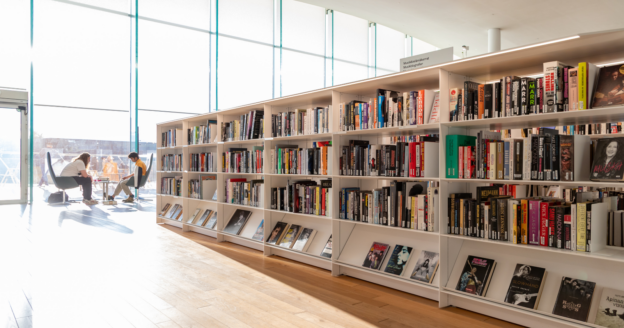
You walk into a train station and immediately feel… calm. The ceiling stretches high above you, natural light floods in from massive windows, and there’s actual wood—warm, real wood—instead of harsh fluorescent lighting bouncing off metal surfaces.
People move through the space without that frantic energy you’d expect. No one’s shouting. The signage is clear without being aggressive. Even the waiting areas feel like somewhere you’d actually want to sit.
This isn’t some fantasy. It’s Tuesday afternoon in Copenhagen Central Station.
After spending the last few weeks working from various Nordic cities—writing from cafés in Stockholm, hotel desks in Oslo, and yes, train stations across Denmark—I’ve noticed something that runs deeper than their famous minimalist aesthetic. These countries design their public spaces differently, and it’s not just about looking good. It’s about systematically removing unnecessary stress triggers from everyday environments.
The difference hit me hard when I flew back through Newark recently. Same function—moving people from point A to point B—but the experience was night and day. One space drained my energy; the other somehow restored it.
Here’s what Nordic countries do differently, and why it matters more than you might think.
1) They treat natural light like infrastructure, not decoration
In Helsinki’s new central library, Oodi, the entire south-facing wall is glass. Three stories of it. Not for the Instagram shots (though those are inevitable), but because Finnish planners treat daylight access as essential infrastructure, like plumbing or electricity.
Walk through any major Nordic public building—libraries, stations, government offices—and you’ll notice the pattern. Windows aren’t just holes punched in walls. They’re designed to pull light deep into the building’s core. Skylights appear in unexpected places. Even underground metro stations use light wells and reflective surfaces to bounce natural light down multiple levels.
This isn’t aesthetic preference. Nordic countries get minimal sunlight for half the year, so they’ve learned to maximize every photon. But the effect goes beyond seasonal affective disorder prevention. Natural light regulates cortisol production, keeping your stress hormones in check even when you’re navigating bureaucracy or catching a train.
Compare this to the average DMV or subway station elsewhere, lit entirely by fluorescents that trigger your fight-or-flight response without you even realizing it. Your body reads those flickering artificial lights as a threat, keeping you slightly on edge the entire time you’re there.
2) They build in nature, not around it
Stockholm’s metro system includes exposed bedrock in several stations—they literally carved through granite and left it visible. Oslo’s new public buildings incorporate living walls. Copenhagen puts trees inside libraries.
Research published in Scientific Reports found that exposure to urban green spaces significantly reduces physiological stress. Nordic planners took this seriously decades ago.
But here’s what’s different: they don’t just add token planters or a decorative tree. They integrate nature into the functional flow of the space. The waiting area has a view of actual forest. The walkway follows the natural contour of the existing landscape instead of bulldozing through it. The roof collects rainwater for the indoor plants.
During my long walks through these cities (my go-to thinking tool after tough writing sessions), I noticed you’re never more than a few minutes from something green, even in dense urban cores. Not manicured parks that feel separate from the city, but nature woven into the daily commute.
3) They remove visual noise before it starts
Nordic public spaces feel calm partly because of what’s not there. No aggressive advertising. Minimal signage, but what exists is consistent and clear. Colors stay muted—whites, grays, natural wood tones.
This isn’t minimalism for its own sake. It’s deliberate cognitive load management. Every visual element you process takes mental energy, even if you’re not consciously aware of it. Multiply that by hundreds of signs, ads, and conflicting color schemes, and you’re exhausted before you even start your day.
I keep my own workspace uncluttered for the same reason—not because I’m naturally neat (I’m not), but because visual chaos spikes my stress levels more than any deadline. Nordic designers apply this principle to entire buildings.
4) They design for trust, not surveillance
Here’s what architect Bo Grönlund told The Guardian: “This is a calming environment, it is not provocative. If you do things that tell you that you are a bad person – like have cameras or gates everywhere – you might become that bad person, at least a little bit.”
Walk through a Nordic library, station, or government building, and you’ll notice what’s missing: visible security cameras, turnstiles, barriers, aggressive “DO NOT” signs. The design assumes you’ll behave appropriately rather than constantly reminding you not to misbehave.
This creates a feedback loop. When spaces treat people as trustworthy, people tend to act more trustworthy. When every surface screams suspicion, stress levels rise and behavior actually gets worse.
5) They prioritize acoustic comfort
Sound is the invisible stressor most public spaces ignore. Nordic designers don’t.
Soft materials everywhere—wood panels, textile coverings, acoustic clouds hanging from ceilings. Not hidden in walls but visible, part of the aesthetic. Oslo’s new Deichman Library uses thousands of acoustic panels that look like art installations. They’re beautiful, but their primary job is eating sound.
The result? You can have a conversation at normal volume even when the space is crowded. No one needs to shout. Background noise stays actually background.
This matters more than most realize. Constant noise keeps your nervous system activated, scanning for threats. When sound levels stay manageable, your body can actually relax, even in public.
6) They create spaces that encourage lingering
Most public spaces want you in and out. Nordic ones invite you to stay.
Comfortable seating appears everywhere—not just benches, but actual chairs, sofas, window nooks. Power outlets for laptops. Free WiFi that actually works. Tables where you can spread out work or eat lunch.
This isn’t generosity; it’s strategic. When people feel welcome to stay, spaces become community hubs rather than stress-inducing throughways. The library becomes a living room. The train station becomes a workspace.
I’ve written entire articles from these spaces, rotating between locations when I need a change of scene. The quality of public seating and workspace rivals many private cafés, minus the obligation to keep buying coffee.
7) They make the essentials effortless
Toilets are free, clean, and easy to find. Water fountains actually exist and work. Signage uses universal symbols alongside multiple languages. Accessibility isn’t an afterthought—ramps, elevators, and wide passages are integrated into the primary flow.
These seem like small things until you need them. Then they become major stress triggers—or their absence does.
Nordic spaces remove these friction points systematically. You never wonder where the bathroom is, whether it’ll cost money, or if it’ll be disgusting. You don’t circle the building looking for an accessible entrance. These basics are handled, freeing your mental energy for whatever you actually came to do.
Bottom line
The Nordic approach to public space isn’t about aesthetics or cultural preferences. It’s about recognizing that environment shapes behavior and stress levels in measurable ways.
Every design choice either adds to or subtracts from your cognitive load. Most public spaces pile on the stress through harsh lighting, visual chaos, poor acoustics, and hostile architecture. Nordic spaces systematically remove these stressors.
The lesson isn’t to make everything Scandinavian. It’s to recognize that our built environment isn’t neutral—it’s either working for us or against us. When you understand this, you start making different choices about where you work, which routes you take, even where you sit in a café.
Pay attention to how different spaces affect your stress levels. Notice the lighting, the sounds, the materials. Choose environments that support rather than drain you when possible. And when you can’t choose—when you’re stuck in that fluorescent-lit DMV—at least you’ll understand why you feel exhausted afterward.
The environment shapes us more than we realize. Nordic countries just decided to shape theirs intentionally.