
During my last visit to see an old teaching colleague who retired to the Midwest, I couldn’t help but notice something striking.
While most of my friends were slowing down, complaining about aches and pains, or spending their days in front of screens, she and her circle of active seniors were out walking in freezing rain, meeting friends for outdoor activities, and treating their daily routines like sacred rituals.
It got me thinking about how differently aging looks across cultures. After spending more time observing and researching Scandinavian habits, I’ve discovered that people in their 70s there maintain daily practices that most of us gave up somewhere around our 40s or 50s. And the research backs this up — Nordic countries consistently rank highest for quality of life in older age.
So what exactly are they doing differently? Here are seven daily habits I’ve noticed among Scandinavian seniors that might just change how you think about your own routines.
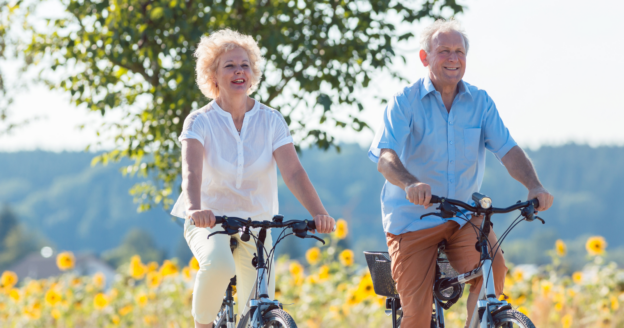
1) They bike everywhere, regardless of weather
When I saw 75-year-olds cycling through Copenhagen in January sleet, my first thought was “that’s dedication.” But for them, it’s just Wednesday. Or any day, really.
In countries like Denmark and the Netherlands, cycling isn’t exercise — it’s transportation. They bike to the grocery store, to meet friends, to doctor’s appointments. Rain, snow, or shine. Meanwhile, most of us stopped biking for practical purposes the moment we got our first car.
The infrastructure helps, sure. But it’s also mindset. They don’t see bad weather as an excuse. There’s a Norwegian saying: “There’s no bad weather, only bad clothes.” And they live by it.
This daily cycling keeps them physically active without needing gym memberships or fitness classes. It’s movement built into life, not added on top of it. And maybe that’s why Nordic seniors report feeling younger and more mobile than their international counterparts.
2) They take cold plunges or saunas daily
The Finnish have been doing this for centuries, but now I’m seeing 70-somethings across Scandinavia starting their mornings with ice-cold dips in lakes or the sea, often followed by a sauna session.
Most of us can barely handle a lukewarm shower, yet these folks are breaking ice to swim. And they swear by it — for circulation, mood, energy, and that feeling of being truly alive.
Research from the International Journal of Circumpolar Health shows regular winter swimming can boost immune function and reduce inflammation. But beyond the science, there’s something about this practice that speaks to embracing discomfort rather than avoiding it.
I’ll admit, walking Biscuit on a chilly morning feels tough enough for me. But seeing how invigorated these cold-water swimmers are makes me wonder what we’re missing by staying too comfortable.
3) They eat dinner at 5 PM
While many of us have pushed dinner later and later — often eating at 8 or 9 PM while watching TV — Scandinavians in their 70s stick to eating their main meal around 5 PM, just as their grandparents did.
This isn’t about being old-fashioned. Early dining aligns with our circadian rhythms, improves digestion, and leads to better sleep. They’re not snacking late into the evening or going to bed on a full stomach.
After dinner, they have time for evening walks, socializing, or quiet activities. By the time they’re ready for bed, their bodies have properly digested their food. No wonder they report sleeping better than most people their age in other countries.
4) They practice “friluftsliv” (outdoor life) no matter the season
Norwegians have this concept called “friluftsliv” — basically, outdoor life. And for Scandinavian seniors, this isn’t a weekend activity. It’s daily.
They’ll bundle up for walks in sub-zero temperatures, have coffee on their balconies in November, or sit outside reading even when it’s barely above freezing. Meanwhile, many of us hibernate indoors from October to March.
This constant connection to nature and fresh air, regardless of season, impacts both physical and mental health. Studies show that regular nature exposure reduces cortisol levels and improves cognitive function in older adults.
What strikes me most is their matter-of-fact approach. They don’t dramatize the weather or wait for perfect conditions. They just dress appropriately and head out. Every single day.
5) They maintain deep, regular social connections
Here’s something beautiful I noticed: Scandinavian seniors have standing social dates. Every Monday might be coffee with one group, Thursday is cards with another, Sunday is family dinner. These aren’t occasional catch-ups — they’re weekly commitments that have lasted decades.
In contrast, many of us let friendships fade as we age, especially after retirement. We say we’re too busy, too tired, or we’ll catch up “soon.” But Scandinavians treat social connection like medicine — necessary and non-negotiable.
The Danish concept of “hygge” plays into this — creating cozy, intimate gatherings that prioritize connection over entertainment. No fancy dinner parties needed. Just regular, reliable human contact.
Research from the Harvard Study of Adult Development confirms what they seem to know intuitively: strong social connections are one of the best predictors of healthy aging.
6) They still walk to run errands
In Stockholm, I watched seniors pulling wheeled shopping carts to markets, post offices, and pharmacies. On foot. In snow. Daily errands become daily exercise, social interaction, and fresh air all rolled into one.
Most of us drive to pick up a single item from a store five minutes away. But Scandinavian seniors treat errands as opportunities to move, not inconveniences to minimize.
This isn’t just about exercise. Walking to local shops means knowing your neighbors, supporting local businesses, and maintaining independence well into your 70s and beyond. It’s community participation at its most basic level.
7) They embrace “lagom” — moderation in everything
Finally, there’s this Swedish concept of “lagom” — not too much, not too little, just right. Scandinavian seniors apply this to everything: food portions, alcohol, work, rest, socializing.
They’re not doing extreme diets or intense workout regimens. They’re not binge-watching entire series or completely abstaining from treats. They find the middle ground and stay there, consistently.
This balanced approach might seem boring to those of us raised on extremes and quick fixes. But watching these 70-somethings maintain steady energy and health through simple moderation is compelling evidence that sustainability beats intensity.
Taking inspiration forward
After observing these habits, I realize how many daily practices we’ve abandoned in the name of convenience or comfort. We’ve traded bikes for cars, early dinners for late-night snacking, regular friendships for occasional texts, and outdoor time for climate-controlled spaces.
The Scandinavian seniors I’ve met aren’t doing anything revolutionary. They’re simply maintaining habits that used to be normal for everyone — and refusing to let age become an excuse to stop.
So here’s my question for you: which one of these practices could you bring back into your daily routine? Not as a dramatic lifestyle overhaul, but as a gentle return to something we maybe shouldn’t have abandoned in the first place?