
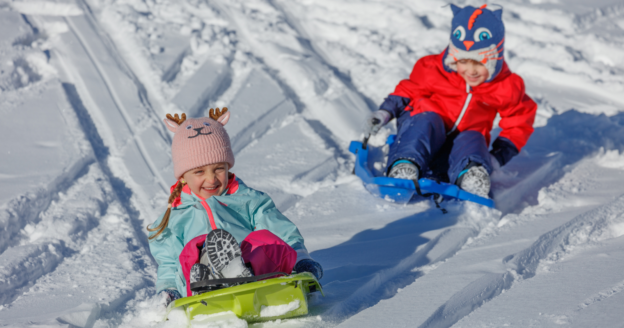
Last week, I watched a friend bundle up her four-year-old in rain gear and send him outside during a downpour. When I raised an eyebrow, she shrugged. “There’s no bad weather, only bad clothes,” she said, repeating what sounded like a Nordic motto.
At first, this seemed like Nordic toughness training—the kind of thing that builds character through suffering. But after digging into the psychology behind this practice, I realized I had it backwards. The Norwegians aren’t trying to create tough kids. They’re creating emotionally regulated ones.
And the research backs them up in ways that should make every parent reconsider their relationship with weather apps.
The Norwegian way isn’t what you think
In Norway, outdoor time isn’t optional. It’s built into the fabric of childhood. Research shows that Norwegian children spend one-third of their winter days outside and two-thirds during summer months. Rain, snow, wind—none of it stops them.
They’re not enduring the outdoors. They’re using it as a classroom for emotional development.
When I first heard about Norwegian kindergartens keeping infants outside for naps in sub-zero temperatures (in proper sleeping bags, of course), my brain immediately went to child services. But then I learned about the research. And it changed how I think about comfort zones entirely.
What happens to a child’s brain outdoors
Here’s what most parents miss: outdoor play isn’t just physical exercise with fresh air. It’s fundamentally different from indoor activity at a neurological level.
Psychology Today Contributor explains: “Simply being (and playing!) outside can support so many benefits, even if those outdoor spaces lack green space per se. For instance, physical activity (and therefore correlated physical and cognitive outcomes) appear to be enhanced outdoors relative to indoor play, even without the specific benefits of being in nature.”
The outdoors forces constant micro-adaptations. Temperature changes. Wind shifts. Uneven surfaces. Each adjustment builds regulatory capacity—the same skill that helps a child calm themselves during a meltdown or focus during homework.
Think about it: indoor environments are controlled. Predictable. The thermostat stays at 72. The floor is flat. The lighting is constant.
Outside? Everything changes moment to moment. And that’s exactly the point.
Risk-taking that builds resilience
Norwegian playgrounds would give safety inspectors nightmares. Kids climb actual trees. They navigate real rocks. They slide down icy hills.
Anne Greve observes: “Playing in sandpits, climbing trees and sliding down steep slopes in winter enable the child to manage risks and to learn coping strategies.”
This controlled risk-taking does something crucial: it teaches kids to assess danger themselves rather than having adults constantly intervene. They learn their own limits through experience, not warnings.
I spent years building performance systems for teams, and the pattern is clear—people who learned to manage small risks early handle big pressures better later. The executive who navigates crisis calmly often has stories about childhood adventures that would horrify today’s parents.
The emotional regulation nobody talks about
Here’s what struck me most in the research: outdoor play directly impacts emotional wellbeing in ways indoor activities can’t match.
“Outdoor activities allow children to freely express themselves, enhancing their emotional well-being and reducing feelings of frustration or restlessness,” according to Psychology Today.
A systematic review of nature-based early childhood education found positive associations with children’s self-regulation, social skills, and emotional development. Kids who spend more time outside don’t just run off energy—they develop better emotional control.
Michael Ungar Ph.D. puts it bluntly: “The more depressed and anxious a child is, the more they need time outdoors.”
This hit close to home. I grew up in a household where emotional expression wasn’t exactly encouraged. We handled things. We pushed through. At 41, I’m still untangling that emotional delay. The gym became my processing space—the only place I could work through stress without having to talk about it.
Kids who play outside get that processing naturally. They don’t need to find substitutes later.
Why kids feel more themselves outside
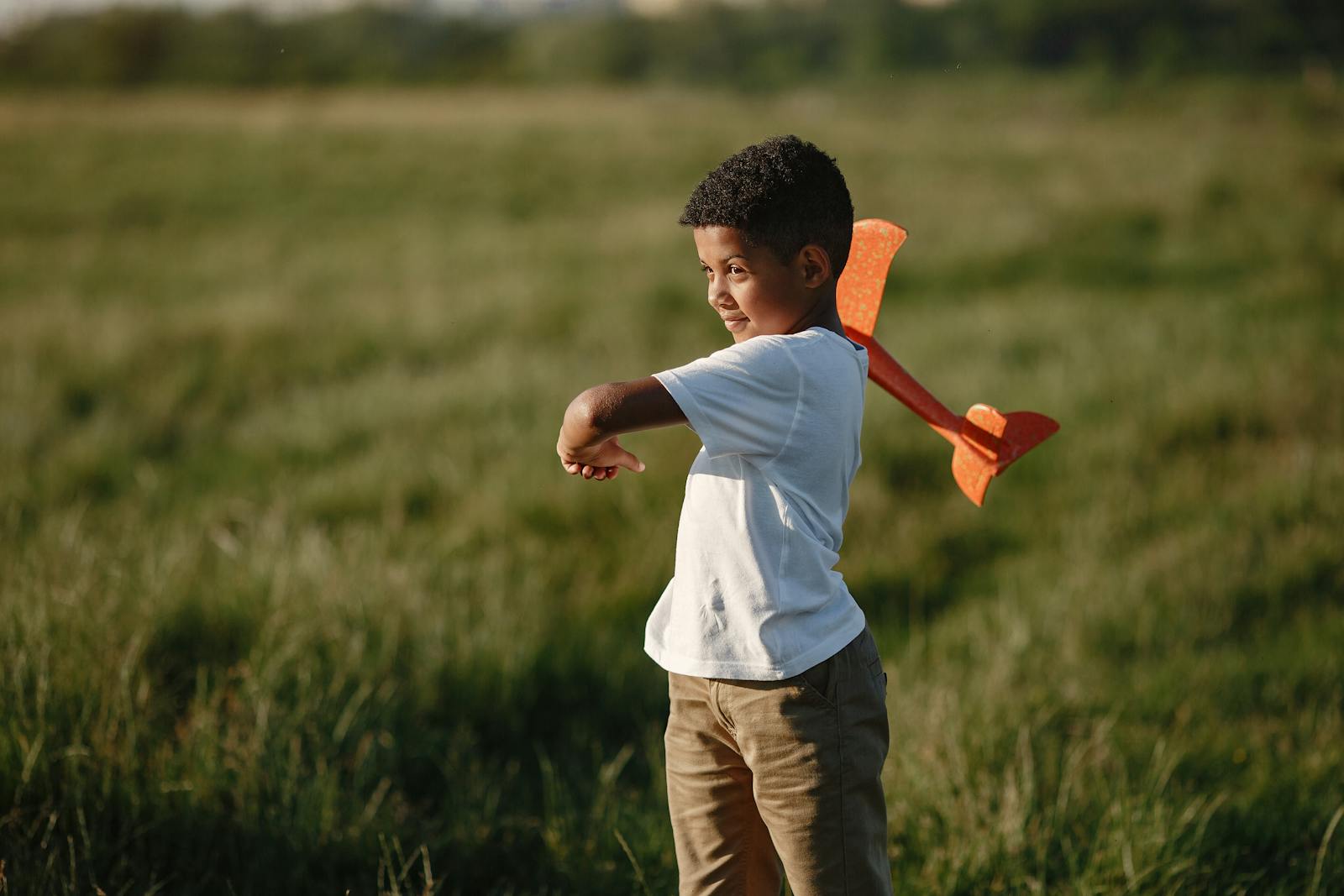
Norwegian researchers discovered something fascinating: children feel more empowered and heard during outdoor play than in structured indoor activities. When given the choice, kids consistently report feeling more like themselves outside.
This makes perfect sense when you think about indoor constraints. Sit still. Use indoor voices. Don’t run. Every instruction is about limiting natural impulses.
Outside, those same impulses become advantages. Running is encouraged. Loud voices carry information across distances. Movement solves problems.
Natalia Kucirkova Ph.D. notes: “Outdoor play has benefits for both physical and mental well-being.”
But it goes deeper than benefits. Outdoor play lets kids be fully themselves without constant correction. That psychological freedom builds confidence from the inside out.
The family connection bonus
Robyne Hanley-Dafoe Ed.D. highlights something parents often miss: “Outdoor play promotes healthy child development and family connection.”
When families brave weather together, something shifts. The shared experience of being cold, then warming up. Getting soaked, then drying off. These small adventures create bonds that scheduled activities rarely match.
The same educator emphasizes another crucial point: “Outdoor play encourages healthy risk-taking, which is critical to teaching children how to navigate life’s challenges, manage the anxieties that accompany them, and become resilient.”
Parents who join outdoor play model risk assessment in real time. Kids see adults make decisions about weather, terrain, and safety—not from rules but from judgment. That modeling is worth more than a thousand lectures about being careful.
Making this work without moving to Norway
You don’t need Norwegian winters to apply these principles. Start small.
Pick one day this week. Check the weather. Now ignore it.
Dress appropriately and go outside anyway. Not to a playground with rubber mulch and safety regulations. Find some actual nature—even if it’s just a park with real grass and trees.
Let your kid get dirty. Let them get cold (they’ll tell you when they’re actually uncomfortable). Let them climb something that makes you slightly nervous.
Notice what happens. Not just to them—to you.
NLS Norway Relocation Group states: “Outdoor play is crucial for children’s physical, mental, and emotional development.”
The word “crucial” matters here. Not beneficial. Not helpful. Crucial.
My perfectionism wants to create the ideal outdoor experience. The right weather, the right location, the right equipment. But that’s missing the point entirely. The imperfection is the lesson. The adaptation is the growth.
Bottom line
Norwegian kids aren’t tougher because they play outside in bad weather. They’re more emotionally regulated because they learned to adapt to changing conditions from day one.
Every rainy day you keep your kid inside is a missed opportunity for emotional development. Every “too cold” morning is a chance to build resilience you’re skipping.
The research is clear: outdoor play in all weather builds emotional regulation, social skills, confidence, and family bonds in ways indoor activities simply can’t match.
This week, dress everyone appropriately and head outside during the worst weather you get. Don’t make it a big production. Don’t need special equipment. Just go outside and let your kids play.
Watch them adapt. Watch them problem-solve. Watch them become more themselves.
The Norwegians have this figured out. The question is whether we’re willing to get uncomfortable long enough to learn from them.