
Here’s something that would make most American educators’ heads spin: Erik Kain, a Senior Contributor at Forbes, points out that “In Finland, there are no standardized tests. In fact, there is really very little testing at all.”
Can you imagine? No bubble sheets. No teaching to the test. No reducing a child’s potential to a single score.
When I was teaching, I watched too many brilliant kids freeze up during state exams. One student who wrote poetry that could make you weep would go completely blank when faced with a multiple-choice question about metaphors. The testing culture we’ve created doesn’t measure intelligence or potential — it measures test-taking ability.
Finland gets this. They understand that constant testing doesn’t improve learning; it just creates anxiety. Instead of ranking and sorting kids like products on an assembly line, they focus on actual learning. Novel concept, right?
Play comes before academics (and that’s the point)
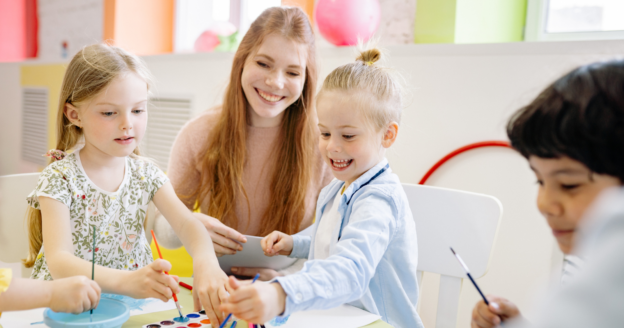
Remember when you were six? What were you doing? If you’re like most Americans, you were probably sitting at a desk, learning to read and write. But Finnish kids at that age are still playing, exploring, and being kids.
Tiina Marjoniemi, Head of Franzenia daycare centre, explains their philosophy: “We believe children under seven are not ready to start school. They need time to play and be physically active. It’s a time for creativity.”
This reminded me of something a mentor teacher once told me: “You’re not teaching English. You’re teaching humans who happen to be in English class.” Finnish educators understand that before you can teach academic skills, children need to develop as whole human beings. They need to learn how to interact, how to manage emotions, how to be curious about the world around them.
We push academics earlier and earlier, thinking we’re giving our kids a head start. But what if we’re actually holding them back? What if all that pressure to perform academically before they’re developmentally ready is creating the very problems we’re trying to solve?
School readiness means something completely different
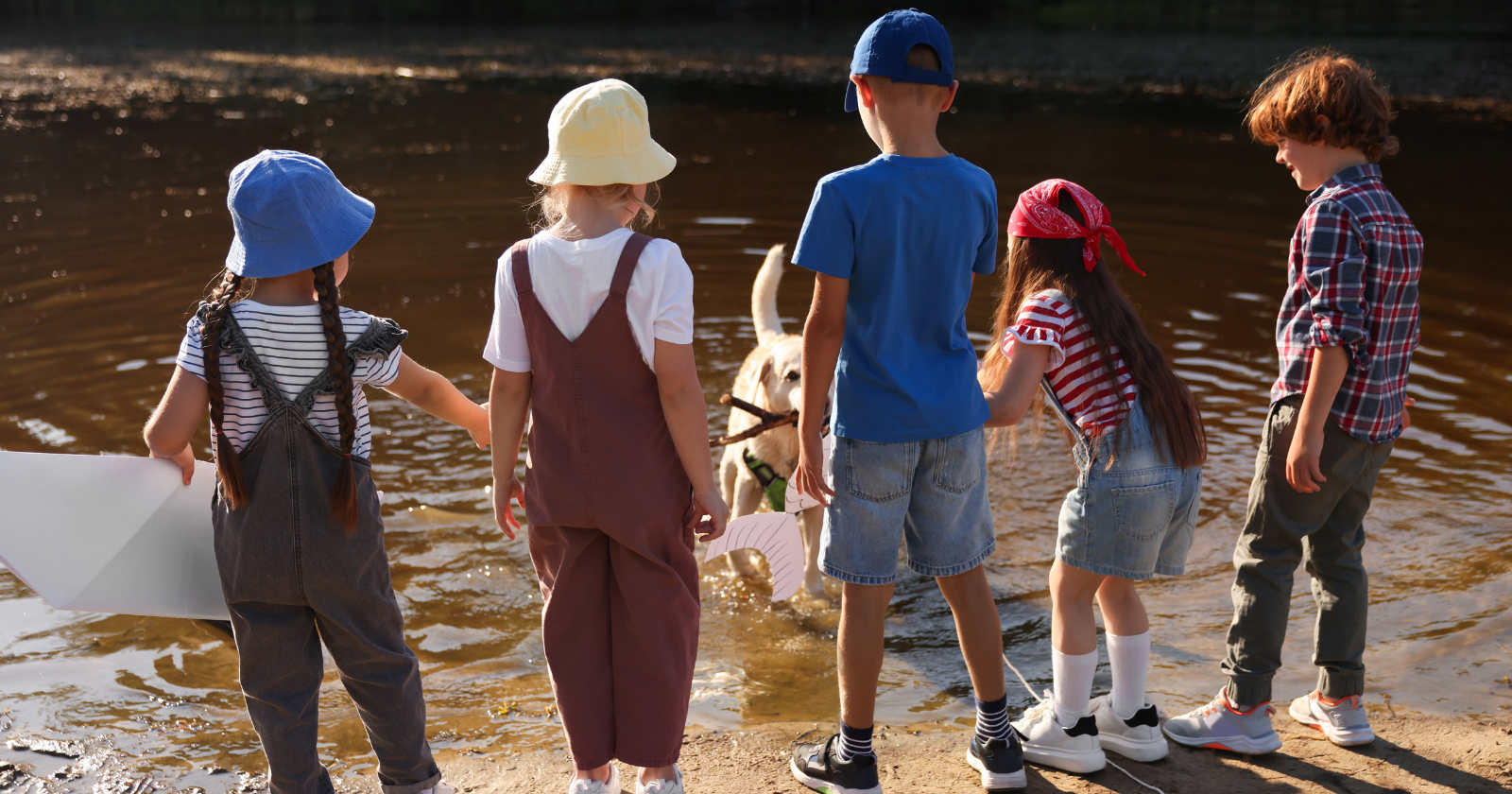
Pasi Sahlberg, a Finnish educator and author, shares an insight that completely flips our thinking: “In Finland, school readiness means that the school has to be ready for different types of children.”
Read that again. The school has to be ready for the children, not the other way around.
In my teaching career, I saw countless kids labeled as “not ready” for various levels of learning. But what if the problem wasn’t the kids? What if our one-size-fits-all system was the issue?
Finland designs their schools to meet children where they are. They don’t expect every seven-year-old to be at the same developmental stage. They don’t punish kids for learning differently or at different paces. They adapt to the children, rather than forcing children to adapt to an inflexible system.
Teachers are trusted professionals, not monitored workers
This one really gets me. Michael J. Hynes, Superintendent of New York’s Patchogue Medford School District, observed something remarkable during his visit to Finland: “In Finland, teachers and principals ARE NOT observed formally. They are not inspected. They are not ranked and sorted. In Finland, students and schools are not ranked and sorted…they are supported. They TRUST the teachers and trust the children.”
Trust. Such a simple word, yet so revolutionary in education.
I spent decades being observed, evaluated, and ranked. Forms filled out about my teaching methods. Test scores used to judge my effectiveness. The message was clear: we don’t trust you to do your job without constant supervision.
Finnish teachers are highly trained professionals who are given the autonomy to actually teach. They’re not following scripts or teaching to tests. They’re using their expertise to help children learn. And guess what? It works.
Collaboration beats competition every time
Gunilla Holm, Professor of education at the University of Helsinki, sums up their approach perfectly: “The goal is that we should all progress together.”
Together. Not ahead of others. Not in competition. Together.
I pioneered a creative writing program in my school that was built on peer support rather than competition. The students who struggled most with traditional assignments suddenly found their voice when they weren’t worried about being ranked against their classmates. They helped each other, learned from each other, and grew together.
That’s the Finnish way. They don’t create winners and losers in education. They create learners who support each other.
The results speak louder than any test score
A comparative study between Finland and China on early childhood education revealed that Finland’s education system emphasizes equity, decentralized decision-making, and teacher autonomy as keys to its success.
These aren’t radical ideas. They’re common sense approaches that put children’s wellbeing and development first. Yet somehow, we’ve convinced ourselves that more testing, more pressure, and earlier academics will produce better results.
William Doyle, a Fulbright Scholar in Finland and advisor to the Ministry of Education and Culture of Finland, doesn’t mince words: “We have lost our minds in the United States when it comes to early childhood education.”
Strong words, but after three decades in education, I have to agree. We’ve lost sight of what childhood is supposed to be. We’ve forgotten that learning should be joyful, that children need time to develop, and that trust is more powerful than control.
So what now?
Finland shows us that everything we think we know about education might be backwards. They prove that less testing produces better learning. That play is more important than early academics. That trusting teachers and students creates better outcomes than constant monitoring and evaluation.
My fourth-grade teacher once told me I had “a gift for words” — a comment that shaped my entire life. She saw something in me because she had the time and freedom to actually know me as a person, not just as a test score.
After teaching teenagers for 34 years, I learned they’re wiser than adults give them credit for, and more fragile than they let on. The Finnish system honors both of these truths.
The question isn’t whether Finland’s approach works — the evidence is clear that it does. The question is whether we’re brave enough to admit we’ve been wrong and humble enough to change course.
What would happen if we started trusting our children and teachers the way Finland does?