
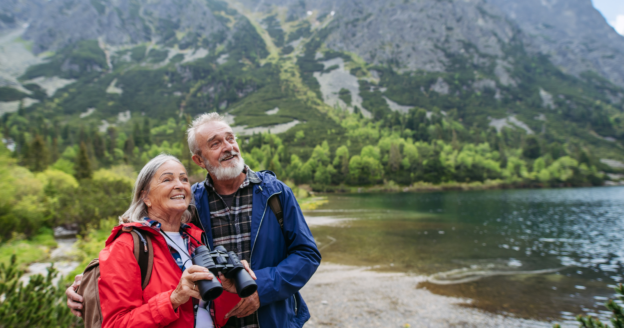
Last month, I watched my neighbor struggle with her grocery bags while shuffling to her door, barely able to manage the weight. She’s 68. Then I got an email from a Scandinavian friend, 74, who’d just finished her morning ski session before heading to her volunteer job at the local library.
The difference struck me. Why do some people seem to glide through their 70s while others struggle with basic daily tasks? After spending time researching and talking to friends across Scandinavia, I’ve discovered it’s not about genetics or luck. It’s about the small, deliberate choices they make every single day.
As someone who spent decades in the classroom watching different approaches to life unfold, I’m fascinated by how cultures shape our aging process. And what I’ve learned about Scandinavian seniors has completely changed how I approach my own retirement years.
1) They treat movement like medicine, not punishment
Here’s what surprised me most: Scandinavians in their 70s don’t “exercise” the way we think about it. They don’t drag themselves to gyms or force themselves through workouts they hate. Instead, they weave movement into everything they do.
My Scandinavian friends bike to the grocery store in January. They walk to coffee dates. They garden, they dance, they cross-country ski just because the snow looks nice. Movement isn’t a chore on their to-do list — it’s how they live.
I’ve started adopting this myself with my rescue dog, Biscuit. Our daily walks used to feel like an obligation, but now they’re non-negotiable adventures. Rain or shine, we’re out there. And honestly? These walks do more for my mental health than any gym membership ever did.
Research from rural northern Sweden backs this up, showing that daily moderate-intensity physical activities combined with an optimistic outlook are linked to better self-rated health among older adults. They’re not killing themselves at CrossFit — they’re just moving, consistently, every day.
2) They embrace the cold (and it’s transforming their health)
When I tell American friends that Scandinavian seniors swim in icy lakes or sit in outdoor saunas year-round, they think I’m joking. But this isn’t some extreme sport — it’s Tuesday morning for a 75-year-old in Finland.
Cold exposure followed by heat isn’t just tradition; it’s a health practice they swear by. They tell me it keeps their circulation strong, their immune systems robust, and their minds sharp. One friend, 72, says her morning cold shower is better than coffee for waking up her brain.
I’m not quite ready to jump in a frozen lake, but I’ve started ending my showers with 30 seconds of cold water. The first week was torture. Now? I actually look forward to that shocking clarity it brings.
3) They eat like their grandparents did
Forget complicated diets or the latest superfood trends. Scandinavian seniors eat remarkably simple food: fish, root vegetables, whole grains, berries. They’re not counting calories or following strict meal plans. They’re eating real food that grows nearby and has sustained their families for generations.
The Helsinki Birth Cohort Study found that sticking to a healthy Nordic diet is associated with better physical performance in older age, especially in aerobic endurance and strength.
On weekends, I’ve been experimenting with healthy recipes — simple preparations of salmon, roasted beets, and hearty rye bread. After decades of grabbing whatever was in the teacher’s lounge, cooking real food feels revolutionary. And my energy levels? Completely different.
4) They prioritize community over independence
This might be the biggest difference I’ve noticed. While Americans often prize independence above all else, Scandinavian seniors actively maintain their social circles. They join clubs, volunteer regularly, meet friends for coffee daily.
One woman I spoke with, 73, belongs to four different groups: a walking club, a knitting circle, a book club, and a volunteer organization. When I asked if that wasn’t exhausting, she looked puzzled. “Why would spending time with friends be exhausting?”
They don’t wait for invitations or worry about being a burden. They show up. They participate. They understand that isolation ages you faster than almost anything else.
5) They keep learning like their brains depend on it
Every Scandinavian senior I know is learning something. Languages, instruments, crafts, technology — they approach new skills with the enthusiasm of kindergarteners. There’s no “I’m too old for that” mentality.
A 76-year-old man recently told me he started learning Spanish online because he wanted to read García Márquez in the original language. A woman, 71, just joined TikTok to understand what her grandkids are talking about.
This constant learning isn’t just hobby time. They treat cognitive challenge as essential maintenance, like changing the oil in your car. Use it or lose it isn’t just a saying to them — it’s a life philosophy.
6) They respect rest without guilt
Here’s something that took me years to understand: Scandinavians don’t glorify being busy. Seniors there take actual breaks. They nap without shame. They sit with their coffee and watch the birds without feeling like they should be doing something “productive.”
Coming from decades in education where every minute was scheduled, this was hard for me to accept. But now I wake naturally around 6:30 AM — no alarm needed — and if I want to spend an hour just sitting with my thoughts, I do. This isn’t laziness; it’s restoration.
They understand something we often miss: rest isn’t the absence of activity. It’s an activity itself, crucial for maintaining energy and enthusiasm as we age.
Finding your own Nordic path
You don’t need to move to Stockholm to age like a Scandinavian. The principles are surprisingly simple: move naturally throughout your day, eat real food, stay connected to people, keep learning, and rest without guilt.
I mentioned in a previous post on DMNews how retirement can feel like stepping into a void. But watching how Scandinavians approach their 70s has shown me it’s actually stepping into possibility — if you’re willing to challenge conventional thinking about what aging should look like.
Start small. Take a daily walk, regardless of weather. Call a friend instead of texting. Try a new recipe with simple, whole ingredients. Join something — anything — that gets you out of the house regularly.
The Scandinavians have figured out something important: aging well isn’t about fighting time or chasing youth. It’s about living fully in whatever decade you’re in.
What one small Scandinavian-inspired change could you make this week to support your future self?