

Evidence note (updated 3 August 2026): The design examples below are cultural and practical observations, not proof that Scandinavians have different neurological responses to rooms. The green-space study cited later concerns outdoor or neighbourhood green space, activity, safety, and mental health; it did not test indoor houseplants.
Last week, I visited my daughter-in-law’s brand new apartment complex. Floor-to-ceiling windows, marble countertops, an open concept that stretched forever. It was stunning, really. But after twenty minutes, I felt oddly restless, almost anxious. The space was beautiful but somehow… exhausting.
Then I thought back to a small cabin I’d rented years ago. Simple pine floors, one modest window, a single bookshelf. Nothing fancy. Yet I’d felt more mentally clear in that tiny space than I had in months.
What’s going on here? Why do so many of us feel frazzled in spaces designed to impress, while Scandinavians seem to have cracked the code on environments that actually calm the mind?
Less really is more for your brain
Walk into any Scandinavian home and you’ll notice what’s missing before you notice what’s there. No cluttered countertops. No walls covered in decorations. No seventeen throw pillows fighting for dominance on the couch.
This isn’t about being minimalist for Instagram. It’s about understanding that our brains can only process so much visual information before they start to tire. Every object in your field of vision is competing for your attention, whether you realize it or not.
I learned this the hard way when I retired and finally had time to organize my home office. For years, I’d surrounded myself with stacks of student papers, inspirational quotes, photos from class trips. I thought it all motivated me. But once I cleared most of it away, keeping only a few meaningful items, something shifted. I could actually think in that room again.
The Scandinavians figured this out generations ago. They understand that mental clarity starts with visual clarity. When your eyes can rest, your mind can too.
Natural light changes everything
Here’s something that still amazes me: in parts of Scandinavia, they get barely any sunlight for months. You’d think they’d install the brightest artificial lights possible to compensate. But they don’t.
Instead, they’ve become masters at maximizing whatever natural light exists. Big windows, light colors, mirrors placed just so. They prioritize daylight over everything else in their design choices. Meanwhile, we’re building homes with tiny windows and compensating with harsh overhead lighting that makes everyone look tired.
During my teaching days, I fought for years to get better lighting in my classroom. The fluorescent panels gave half my students headaches by third period. When we finally got permission to bring in some lamps and open the blinds properly, the difference was remarkable. Kids were calmer, more focused, less likely to put their heads down on their desks.
Natural light regulates our circadian rhythms, affects our mood, impacts our energy levels. The Scandinavians treat it like the precious resource it is. Most architects elsewhere treat it like an afterthought.
The missing ingredient nobody talks about
You know what you’ll find in almost every Scandinavian living space? Plants. Real ones, not the plastic variety. And before you tell me you have a black thumb, hear me out.
This isn’t about creating some botanical garden. It’s about bringing life into spaces where we spend most of our time sealed off from nature. One study of neighbourhood green space examined outdoor green space, physical activity, perceived safety, and mental health. It did not test whether placing a pothos or snake plant inside a home improves mental health, so it cannot support that indoor claim.
I started small after retiring – just one pothos plant in my reading corner. Then a snake plant in the bathroom. Now I’ve got herbs growing in the kitchen window. Each morning when I water them before walking Biscuit, I feel more grounded than any meditation app ever made me feel. There’s something about tending to something living that reminds you you’re alive too.
Most modern architecture treats nature like it’s something to keep out. Climate control, sealed windows, sterile surfaces. Scandinavians invite nature in, understanding that we’re wired to feel calmer around living things.
Function beats fashion every single time
Galloway, an interior designer, puts it perfectly: “Scandinavian design, I would say, goes right down the middle stylistically.” It’s not trying too hard. It’s not showing off. It just works.
Every piece of furniture serves a purpose. Every design choice supports daily life rather than complicating it. Storage is built in, not added as an afterthought. Surfaces are easy to clean. Chairs are actually comfortable to sit in for more than five minutes.
I think about all the homes I’ve visited where you’re afraid to sit on the white couch or use the decorative hand towels. Where kitchens look like museums rather than places where people actually cook. These spaces might photograph well, but they create a low-level stress, a constant worry about messing something up.
Scandinavian design assumes you’re going to live in your space, not just look at it. That fundamental shift in thinking changes everything about how a room feels.
Space to breathe, literally
Here’s what most architects miss: humans need room to move. Not acres of space, but enough room to stretch your arms without hitting something. Enough clearance to walk without navigating an obstacle course.
Scandinavian design respects circulation patterns. There’s always a clear path from one room to another. Furniture is arranged so conversations can flow naturally. There’s empty floor space where kids can play or adults can do yoga or you can spread out a project.
In my old classroom, I used to rearrange the desks every few months, always trying to create better flow. The best configuration? When I finally pushed everything to the sides and left the middle open. Students could move freely, group work happened naturally, and nobody felt trapped in their seat.
Your home should let you move through it easily, not force you to squeeze past furniture or dodge decorative objects. Movement is part of mental clarity. When your body can move freely, your thoughts can too.
Quality over quantity, always
Scandinavians would rather have one well-made wooden table than three particle board pieces. One comfortable chair than a matching set that looks good but feels terrible. This isn’t about being snobby or spending more money. It’s about surrounding yourself with things that last, that age well, that don’t need constant replacing.
There’s a mental weight to owning things that break, that disappoint, that need fixing every few months. I noticed this after retiring when I finally had time to really look at what I’d accumulated over the years. The cheap bookshelves sagging under the weight of actual books. The desk chair that never quite worked right. Each broken or inadequate item was a tiny stress point I’d gotten used to ignoring.
When you invest in fewer, better things, your space becomes more stable. You’re not constantly adjusting, fixing, replacing. Your environment becomes a steady foundation rather than another source of chaos.
The power of embracing what you’ve got
Scandinavian design philosophy starts with accepting reality. Long, dark winters? Make the most of light when you have it. Small spaces? Make them feel larger through smart design. Limited resources? Choose quality and longevity.
Most architectural trends elsewhere start with denial. Don’t like your climate? Seal yourself off from it. Space too small? Cram in more stuff to maximize it. Can’t afford quality? Buy cheap and replace often.
This acceptance versus denial makes all the difference in how spaces feel. When design works with reality rather than against it, everything flows better. You’re not constantly fighting your environment.
After decades of making do with whatever classroom I was assigned, I learned this lesson well. The years I spent trying to disguise an ugly room with posters and decorations were exhausting. The year I accepted the concrete walls and just worked with good lighting and simple organization? That was the year my students said they loved being in my room.
Scandinavians design for the life they actually have, not the one they wish they had. That honesty creates spaces that support rather than stress.
What this means for the rest of us
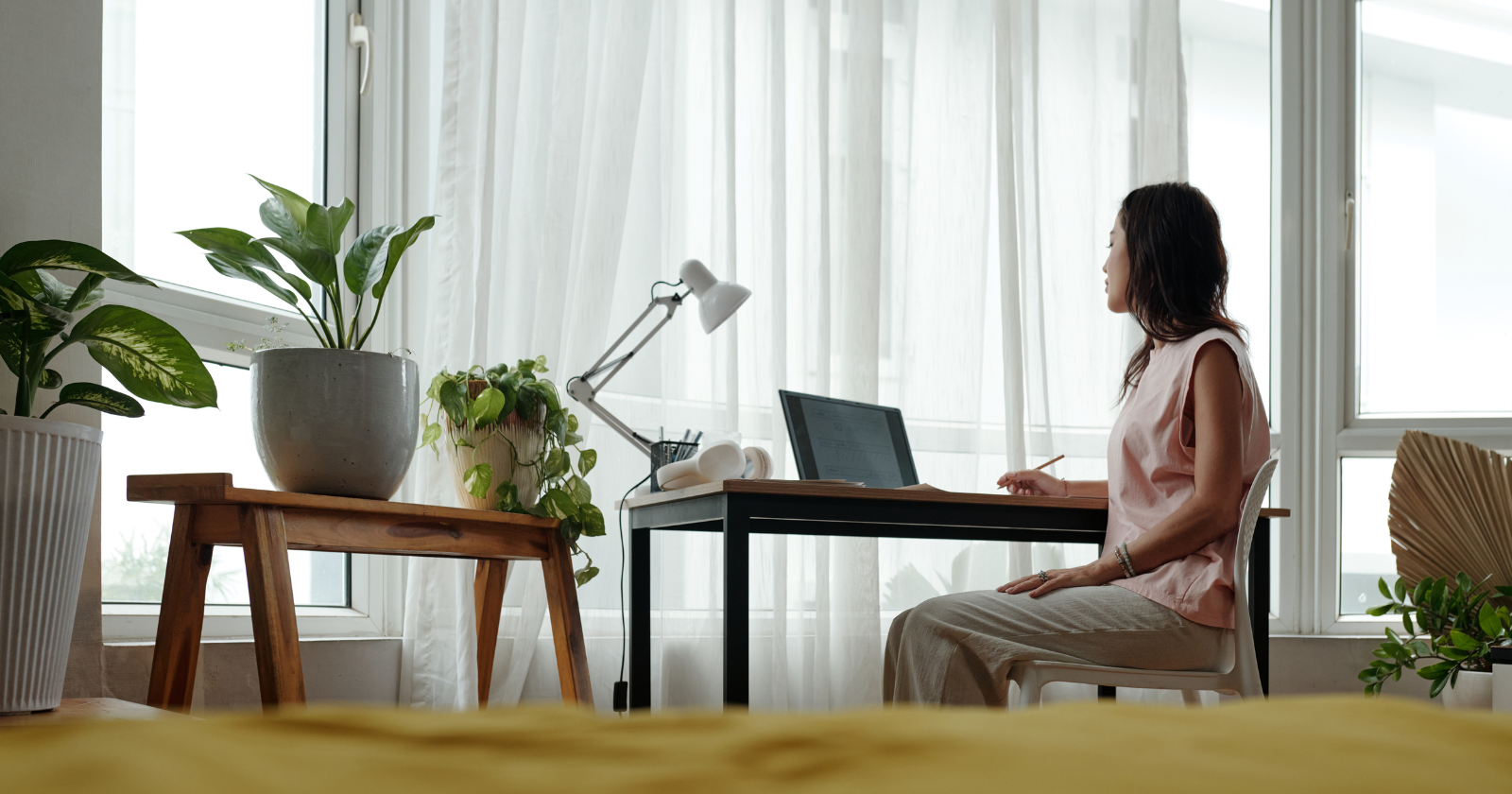
You don’t need to move to Stockholm or rebuild your house from scratch. But you can start applying these principles tomorrow. Clear one surface completely. Move your desk closer to a window. Buy one plant – just one. Get rid of three things that annoy you every time you look at them.
Notice how your mind responds to visual simplicity. Pay attention to how natural light affects your mood. See what happens when you stop fighting your space and start working with it.
The Scandinavians understand something fundamental: our environments shape our thoughts far more than we realize. Mental clarity isn’t just about meditation or therapy or the right supplements. Sometimes it’s as simple as a clear table, a beam of sunlight, and room to breathe.
What’s one thing in your living space that’s secretly draining your mental energy? And what would happen if you removed it today?