
Most interior trends pile on the visual stimulation. Bold patterns, contrasting colors, gallery walls packed with frames. We think more personality means more comfort. But here’s what I learned after years of watching overwhelmed students try to focus in cluttered classrooms: our brains need rest, not constant engagement.
Scandinavian design gets this intuitively. Those clean lines and neutral palettes aren’t about being boring. They’re about giving your nervous system a break. When I cleared out the visual clutter from my own space, something shifted. The constant low-level agitation I’d carried during my teaching years started to ease. I sleep better now than I did when I’d lie awake worrying about students.
Think about it. When you’re already mentally exhausted, do you really need your living room shouting at you with five different patterns and colors? Or would you rather have a space that whispers, “It’s okay to just be”?
Light as medicine, not just decoration
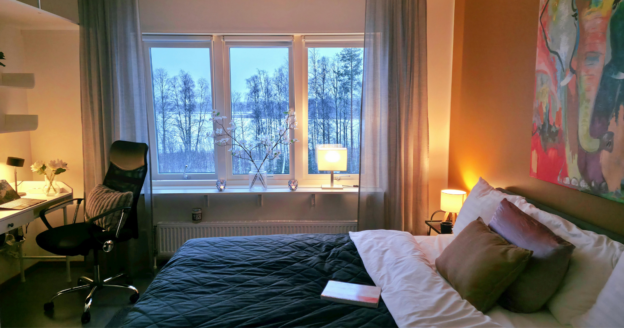
Growing up, we had one overhead light per room and maybe a lamp if you were lucky. Modern trends haven’t evolved much beyond adding some Edison bulbs or a dramatic chandelier. But Scandinavians approach lighting completely differently, and once you understand why, you can’t unsee it.
As designer Faber explains, “In Scandinavia, our approach to lighting differs from that of many other cultures. Rather than relying on a single central light combined with spotlights, we prefer to create harmonious and functional arrangements using a variety of lamps.”
This isn’t just aesthetic preference. It’s about mental health. Multiple light sources at different heights create depth and warmth that overhead lighting never can. They eliminate harsh shadows that unconsciously stress us out. They let you adjust the mood of a room based on what you need, not what the architect decided decades ago.
I’ve started adding small lamps throughout my home, and the difference is profound. Evening feels softer. Morning feels gentler. The harsh fluorescent reality I lived under for decades in school buildings? Gone. And with it, a layer of tension I didn’t even know I was carrying.
Democratizing comfort instead of chasing status
Here’s something that stopped me in my tracks when I first learned about it. While most design trends focus on showing off wealth or taste, Scandinavian philosophy takes a radically different approach.
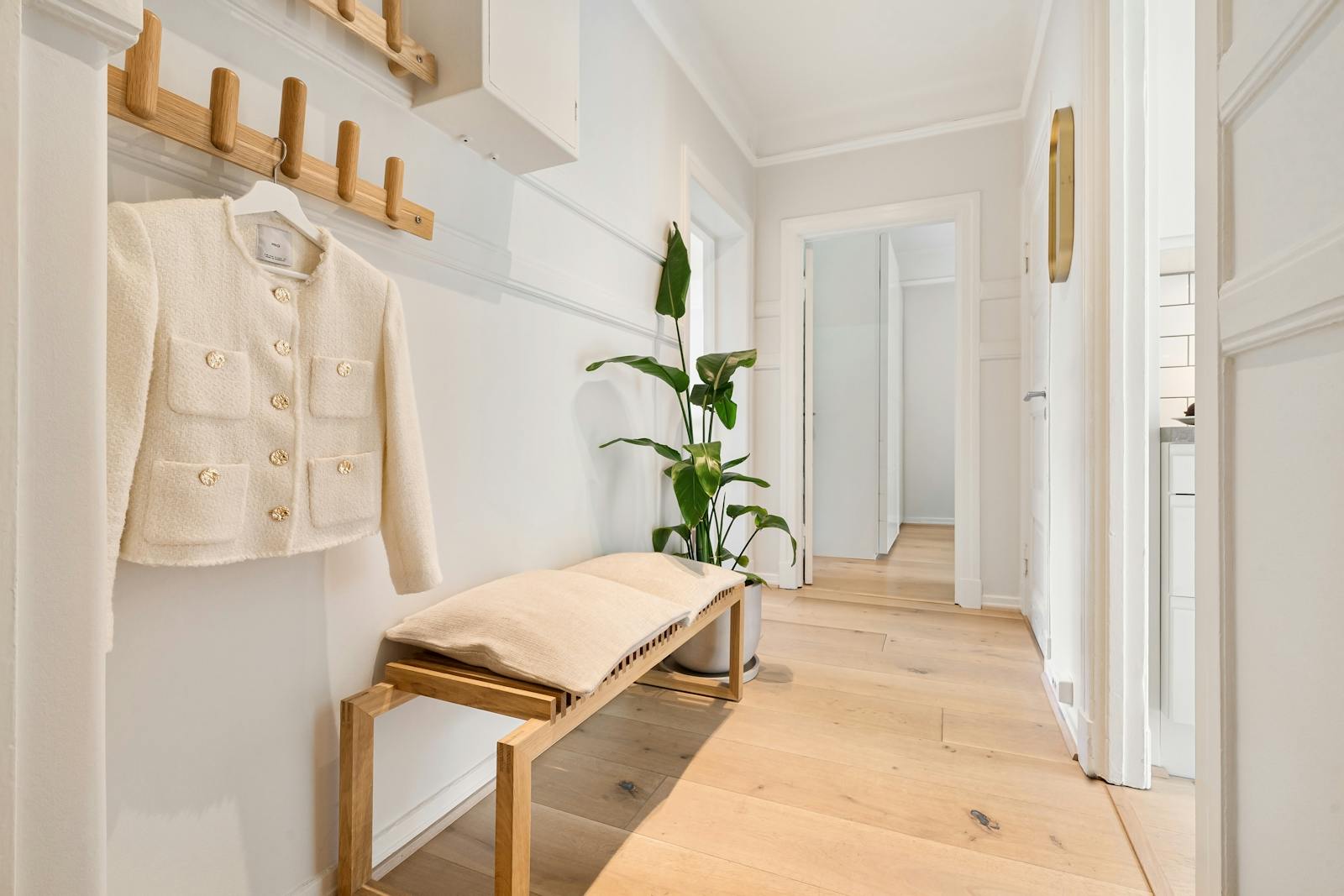
Niki Brantmark, author of Lagom: The Swedish Art of Living, notes that “Scandinavian design has a tradition of striving to ensure everyone has access to good design, not just the elite.”
This completely reframes how we think about our homes. Instead of competing with neighbors or chasing the latest trends, what if we focused on creating spaces that genuinely serve everyone who lives there? Not impressive, but inclusive. Not photogenic, but functional.
When I stopped trying to impress imaginary guests and started designing for actual daily life, my stress levels dropped. No more maintaining spaces that look good but feel wrong. No more furniture you can’t actually relax on. Just honest, comfortable living that supports real life, not a performance of it.
The mental load of maintaining perfection
You know what most interior trends never mention? The psychological weight of maintaining them. Those all-white kitchens that look pristine in photos? They demand constant vigilance. The open shelving displaying perfectly matched dishes? It turns everyday living into a curatorial exercise.
Scandinavian design acknowledges something crucial: your home should reduce stress, not create it. This means choosing materials that age gracefully, colors that hide daily wear, and systems that work with real life rather than against it. Wood that can take a scratch. Fabrics that can handle a spill. Storage that actually stores things, not just displays them.
After retirement, I had to learn that my worth wasn’t tied to productivity or being needed by students. Similarly, I’ve learned my home’s worth isn’t tied to looking magazine-ready. When you design for easy maintenance rather than constant perfection, you free up mental energy for things that actually matter.
Creating space for nothing
Most design trends fill every corner with purpose. Home office here, reading nook there, exercise corner over there. But Scandinavian homes often include something radical: empty space that isn’t waiting to be filled.
This breathing room serves a psychological function. It tells your brain there’s no urgency, no next task waiting. During my teaching years, every minute was scheduled, every space had a function. Now, having areas in my home that simply exist without demanding anything has been surprisingly healing.
The identity crisis of early retirement caught me off guard. I’d prepared financially but not emotionally for the shift from constant motion to stillness. Having physical spaces that embrace emptiness helped me learn that a good day in retirement looks different than a good day while working, and that’s perfectly fine.
Function before form (and why that matters for mental health)
Watch any home makeover show and you’ll see the same pattern: dramatic reveals of spaces that photograph beautifully but ignore how people actually live. Scandinavian design flips this completely. Every choice starts with the question: how will this make daily life better?
This might sound obvious, but think about how many homes have gorgeous dining tables no one can comfortably sit at, or stunning sofas that hurt your back. When your space constantly fights against your actual needs, it creates a subtle but persistent stress. You’re always adjusting, compensating, making do.
My daily walks have become as essential for my mental health as they are for Biscuit’s exercise. Coming home to a space that actually works, where everything has a logical place and purpose, extends that sense of calm. No hunting for things. No fighting with furniture. Just easy, intuitive living.
The bigger picture
After decades in education, I’ve seen how environment shapes wellbeing. The classrooms that helped students thrive weren’t the ones with the most decorations or the trendiest furniture. They were the ones that felt calm, organized, and purposeful.
Scandinavian design understands something most interior trends miss entirely: our homes aren’t just backdrops for our lives. They’re active participants in our mental health. Every design choice either adds to our cognitive load or lightens it. Every room either demands performance or offers refuge.
The question isn’t whether your home looks good enough for social media. It’s whether your home is actively supporting the life you want to live. Are you designing for impression or restoration? For trends or tranquility?
What one change could you make this week to shift your space from demanding to supportive?