
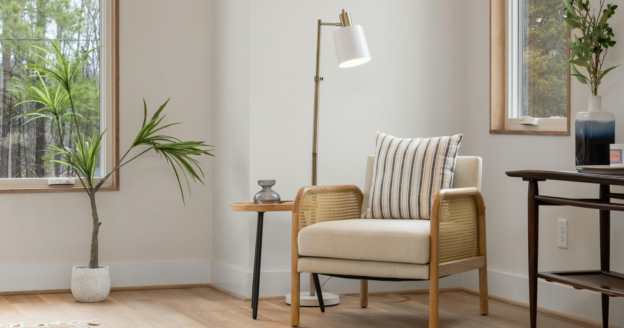
Last week, I watched someone spend forty minutes reorganizing their desk setup for the third time that month. They’d bought another “organizing solution”—this time, a sleek Scandinavian-designed tray that would supposedly transform their workspace into a temple of productivity.
They had it backwards.
The Nordic approach to minimalism isn’t about owning the perfect set of minimal things. It’s not about color-coordinated storage boxes or having exactly three items on your coffee table. When you look at how Scandinavians actually live, you realize they’re playing a completely different game than the Instagram minimalists selling you on empty spaces and neutral palettes.
The function-first mindset changes everything
Here’s what I’ve noticed after observing Nordic design principles: Nordic homes don’t look empty. They look intentional.
Walk into a typical Swedish apartment and you’ll find bookshelves packed with actual books people read. Kitchen counters have the coffee maker, the knife block, the cutting board—all the tools someone uses daily. The coat rack by the door holds real coats for real weather.
Catherine, an author who writes about Nordic design philosophy, puts it perfectly: “Minimalism is a way of life, a state of mind, a long process in which one learns with trials and errors, a will to be & do better.”
Notice what she didn’t say? Nothing about throwing away half your possessions or living with bare walls.
The Nordic approach starts with a simple question: Does this serve a clear purpose in my daily life? Not “does this spark joy” or “would this look good in a photo.” Just pure function.
I keep a notebook even though I could use my phone for everything. Why? Because pulling out a notebook in a meeting changes the dynamic. It shows focus. It prevents the “just checking one thing” spiral that phones trigger. That’s function, not aesthetics.
Weather creates clarity about needs
Cold winters teach you why Nordics are so practical about possessions. When it’s dark at 3 PM and minus fifteen outside, you stop caring about curated spaces. You care about the reading lamp that actually works. The wool blanket that keeps you warm. The reliable boots that handle ice.
This weather-driven practicality teaches you something crucial: there’s a massive difference between what you think you need and what you actually use.
I learned this the hard way with travel. For years, I’d pack “just in case” items. An extra pair of shoes. A backup jacket. That book I might read if I finished the first one. Then I started paying attention to what I actually touched during trips. Now I stick to one carry-on with a permanently packed dopp kit. Everything in that bag has been used in the last three trips, or it’s out.
Nordic minimalism works the same way. They don’t declutter for the sake of empty space. They keep what gets used and ditch what doesn’t. Simple as that.
Quality over quantity isn’t just a slogan
Here’s where Nordic minimalism gets expensive—and why it actually saves money long-term.
Someone once showed me their winter coat. They’d bought it eight years ago for what seemed like an insane amount. But here’s the thing: they wear it five months a year, every single day. Cost per wear? Pennies. Meanwhile, others go through three “affordable” jackets in the same period.
This isn’t about being wealthy enough to buy expensive things. It’s about doing the math on what you actually use. That coat wasn’t a luxury purchase—it was infrastructure for their life.
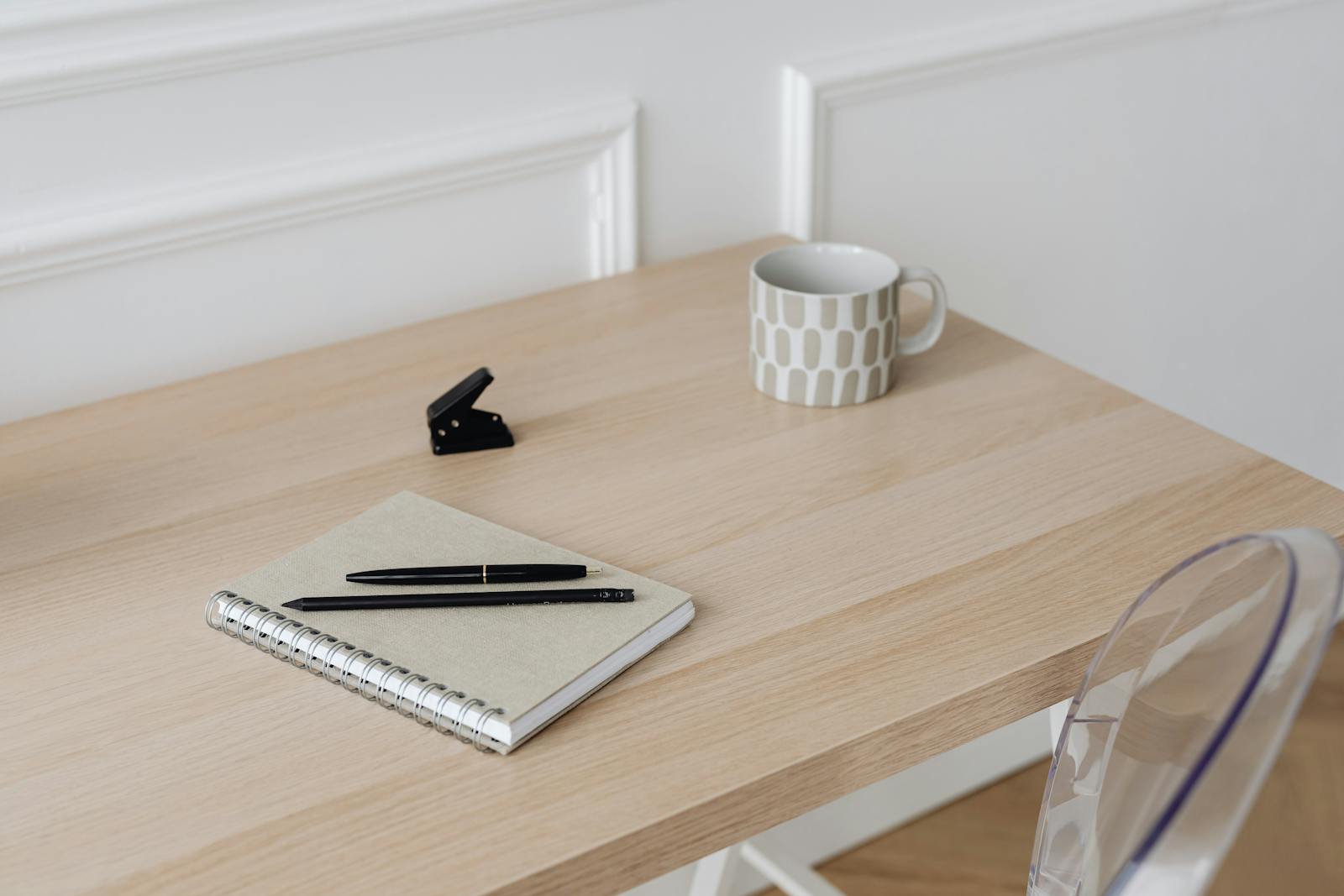
I apply this to my work setup now. Good laptop stand, reliable notebook and pen, quality whiteboard for tracking experiments. Not minimal for the aesthetics. Just the right tools that work every time I need them.
The social aspect everyone misses
Nordic homes are designed for actual living, not magazine shoots. That means space for people to gather. Comfortable seating that encourages long conversations. Kitchens set up for cooking real meals, not just reheating takeout.
This social element shapes their approach to possessions. They keep the extra chairs for dinner parties. The board games for dark winter nights. The good coffee maker because fika (Swedish coffee break) is sacred.
Compare this to the minimalist who owns one plate and one cup. That’s not freedom—that’s isolation. You can’t have people over. You can’t share a meal. You’ve minimized yourself out of normal human connection.
Building your own functional approach
Start by tracking what you actually use for a week. Not what you think you use—what you physically touch. Your phone can timestamp photos if you want to get scientific about it.
You’ll discover patterns fast. The jacket you reach for every morning while three others hang untouched. The kitchen gadgets gathering dust while you use the same knife for everything. The books you move around but never open.
Once you see the patterns, the decisions get easier. Keep what works. Upgrade what you use constantly but hate using. Eliminate what’s just taking up space.
But here’s the key: don’t eliminate things that enable experiences you want to have. If you want to host dinners, keep the dining chairs. If you want to read more, keep books visible. Function includes the life you’re trying to build, not just the life you have today.
Nicholas Burroughs nailed it when he said, “Minimalism is not a lack of something. It’s simply the perfect amount of something.”
The perfect amount for someone dealing with six months of winter looks different than for someone in California. The perfect amount for someone who hosts weekly dinners differs from someone who lives alone and travels constantly.
Bottom line
Nordic minimalism isn’t about achieving some pristine, empty space. It’s about knowing yourself well enough to understand what you actually need.
Stop counting possessions. Start tracking usage.
Stop buying organizing systems. Start questioning why you need to organize so much stuff you don’t use.
Stop copying someone else’s version of minimal. Start building a life where everything you own has a clear job to do.
The point isn’t to live with less. It’s to live without the excess that gets between you and what you’re trying to do each day. Once you get that distinction, every decision about what to keep, buy, or toss becomes surprisingly straightforward.
Your space should work like good infrastructure—invisible when it’s functioning, obvious when it’s not. That’s what the Nordics figured out, and it’s why their version of minimalism actually makes life easier instead of just emptier.