

Evidence note (updated 3 August 2026): This is a reflective essay about walking and connection. No source in the original piece establishes destinationless walking as a distinct Swedish national tradition or measures its effects on Scandinavian relationships.
When my husband Richard and I visited Stockholm a few years ago, we joined a Swedish couple we’d met at our hotel for what they called an “evening stroll.”
I expected the usual tourist routine — chatting about sights, exchanging travel stories, maybe getting restaurant recommendations. Instead, we walked for nearly an hour through quiet neighborhoods, past waterfront paths, with long stretches where nobody said a word.
At first, the silence made me uncomfortable. Should I fill it? Was something wrong? But our Swedish companions seemed perfectly content, occasionally pointing out a building or sharing a brief observation, then returning to peaceful quiet. By the end, I felt more connected to them than to people I’d chatted with for hours at dinner parties back home.
That walk taught me something profound about how Scandinavians approach connection — and it challenged everything I thought I knew about building relationships.
The art of walking without a destination
In Sweden, there’s a tradition of taking long walks together without planning where you’ll end up. No mapped route, no fitness tracker goals, no coffee shop destination circled on your phone. You just walk.
This sounds simple, maybe even pointless to our productivity-obsessed culture. But after decades of teaching teenagers who couldn’t sit still without checking their phones, I’ve come to appreciate what the Swedes understand: sometimes the best connections happen when you stop trying to make them happen.
When I walk Biscuit, my rescue dog, through our neighborhood each morning, I’ve started experimenting with this approach. Instead of rushing through our usual route while mentally planning my day, I let him lead. We might turn left instead of right. We might stop longer at the park. And you know what? Those unplanned moments — watching him discover a new smell, noticing how the light hits the trees differently — have become unexpectedly grounding.
Why silence creates deeper bonds
Here’s what struck me most about that Stockholm walk: the silence wasn’t empty. It was full of shared presence.
Think about that for a moment. How often do we perform connection rather than actually experiencing it? We fill silences with updates about work, commentary about the weather, questions we don’t really need answered. We treat conversation like a tennis match where letting the ball drop means losing.
But walking in comfortable silence with someone sends a different message: I don’t need you to entertain me. I don’t need you to impress me. I just want to be here with you.
During my teaching years, I noticed something similar with students. The ones who really opened up weren’t the ones I engaged in constant conversation. They were the ones I could sit quietly with after class, grading papers while they worked on homework. The silence created space for real thoughts to emerge, not just the rehearsed responses they thought I wanted to hear.
Movement as a shared rhythm
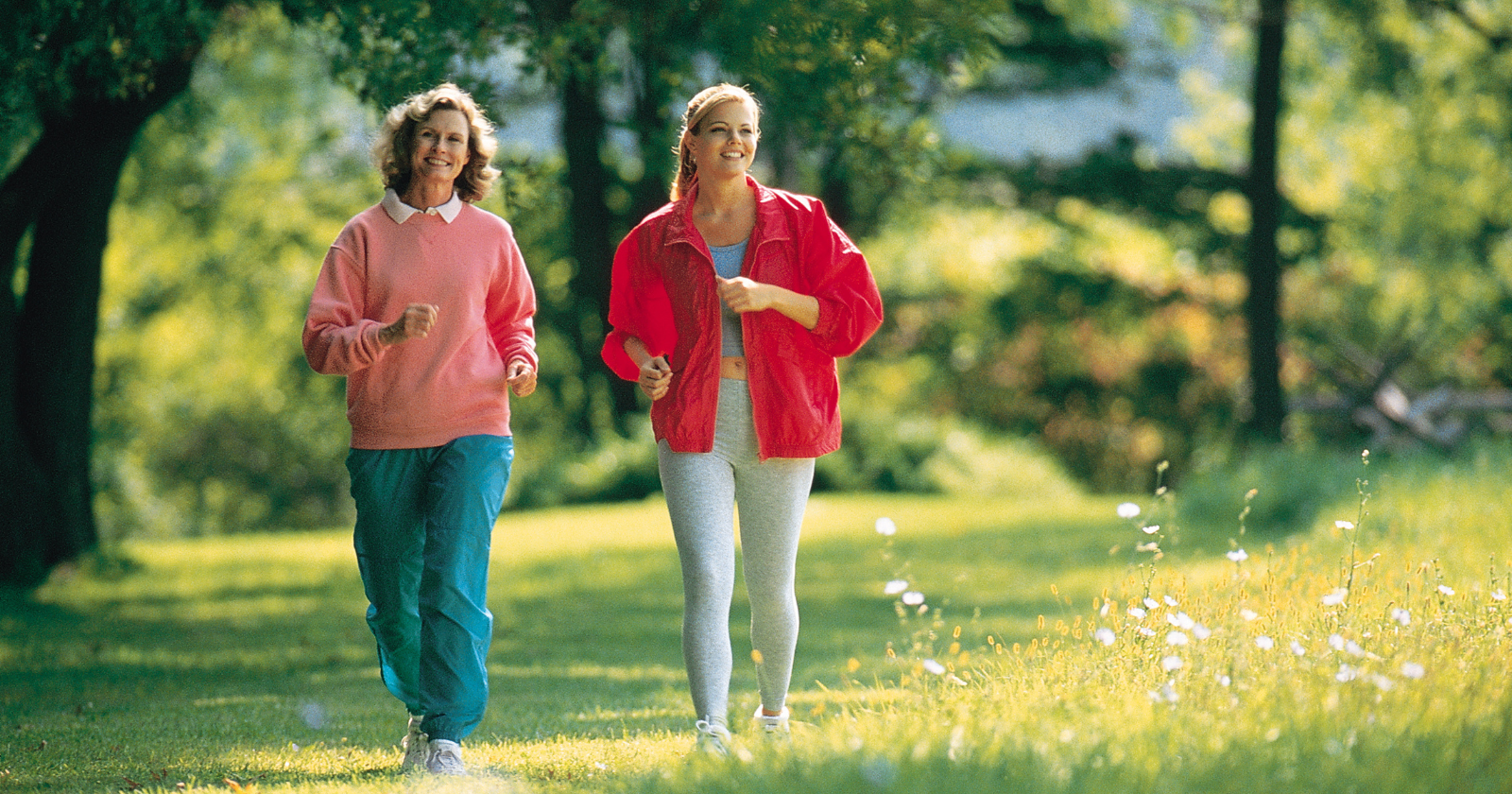
There’s something about walking side by side that changes how we relate to each other. You’re not facing off across a table, maintaining eye contact, managing your facial expressions. You’re moving together, falling into a shared rhythm, looking at the same horizon.
When my grandmother lived with us during her final years, our best conversations happened during slow walks around the block. She couldn’t go far, but those short walks became our ritual. Sometimes we talked about her childhood. Sometimes we discussed what flowers the neighbors had planted. Sometimes we said nothing at all. But we were together, moving at the same pace, sharing the same moments.
I see this now with my daily dog walks too. Biscuit and I have become fixtures in our neighborhood — we know every dog and owner on our route. But the connections that feel most genuine aren’t the ones where we stop for long chats. They’re the brief waves, the silent nods of recognition, the occasional walk where someone falls into step with us for a block or two. No agenda. No forced small talk. Just shared movement through familiar spaces.
The radical act of not rushing
In Scandinavian culture, these walks aren’t squeezed between appointments or treated as exercise to check off a list. They’re given time and space to unfold naturally. This reflects a broader cultural value: relationships aren’t projects to optimize. They’re experiences to inhabit.
Retirement forced me to reconsider my relationship with time. Well, these Swedish-style walks have become part of that reconsideration. When you walk without a destination, you can’t be late. When you walk without an agenda, you can’t fail to accomplish something. You can only be present.
Richard and I have started taking evening walks without our phones, without planning where we’ll go. Sometimes we end up at the lake. Sometimes we circle back home after twenty minutes. Sometimes we walk for over an hour and barely speak. But something shifts during these walks. The day’s irritations fade. We sync up again, not through processing our feelings or solving problems, but through simply moving together through space.
What this teaches us about authentic connection
The Swedish approach to walking together reveals something crucial: authentic connection doesn’t require constant communication. It doesn’t need goals or outcomes. Sometimes it just needs presence and patience.
In my years of teaching, I watched students struggle with this concept. They wanted formulas for friendship, strategies for dating, techniques for networking. But the relationships that actually lasted? They were the ones that could survive silence, that could exist without constant validation, that found comfort in simply being together.
This doesn’t mean we should never talk or never plan. But it suggests we might be trying too hard. We might be filling our relationships with noise and activity to avoid the vulnerability of just being with someone.
When you walk without a destination, you’re saying: this moment is enough. This person is enough. This simple act of moving through the world together is enough. And paradoxically, when you stop trying to create connection, you often find it’s already there.
Bringing this wisdom home
You don’t need to move to Sweden to embrace this approach. Start small. Invite someone for a walk without planning the route. Let conversations emerge naturally rather than preparing topics in advance. Practice being comfortable with silence.
I’ve found that even my daily walks with Biscuit have changed since learning about this tradition. Instead of using that time to mentally rehearse my to-do list or listen to podcasts, I practice presence. I notice which neighbors are out. I pay attention to seasonal changes. I let my mind wander without trying to direct it anywhere specific.
The result? Those walks have become anchor points in my day. They’re when insights bubble up. They’re when I feel most connected to my community. They’re when I remember that not everything needs to be productive to be valuable.
Looking back at that evening in Stockholm, I realize those Swedish walkers gave me a gift. They showed me that connection isn’t something you manufacture through effort and conversation. Sometimes it’s something you discover through shared silence and purposeless wandering.
How might your relationships change if you stopped trying to fill every silence? If you invited someone to walk with nowhere specific to go? The Swedish tradition suggests that in letting go of the destination, we might actually arrive somewhere more meaningful than we planned.