
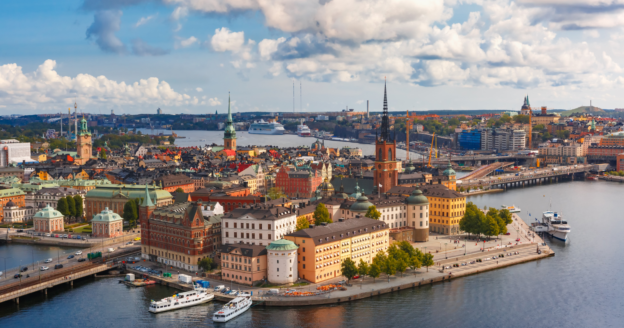
Last month, I stood in a Scandinavian city watching children bike to school in the rain, their parents chatting at the corner while construction workers took their morning coffee break at the same sidewalk table as suited executives.
Everyone thinks Scandinavian cities top livability rankings because of their bike lanes, clean streets, or minimalist architecture. We’ve gotten the story backward. The design follows something deeper — something that reminds me of what I learned watching healthy families in my clinical practice for twelve years.
The ones that worked weren’t trying to be perfect. They were trying to be real.
The trust economy nobody measures
When urban planners visit Copenhagen or Stockholm, they come back with photos of cycle tracks and pedestrian plazas. They miss what actually makes these places work: the radical assumption that strangers can be trusted. This shows up in a thousand small ways. Parents leave babies in strollers outside cafes. Libraries operate on honor systems. Public transit runs without turnstiles in many stations.
I remember visiting a Nordic city, walking through a neighborhood at dusk, noticing how different bodies moved through space — elderly women alone, teenagers gathering, parents with small children. Everyone seemed to inhabit the city with a kind of ease I’d rarely seen in American urban spaces.
Later, reading Signe Kongebro, Global Director of Future Resilient Design at Ramboll, I found language for what I’d observed: “With a combined population of 28 million, a collective top-12 rank in the global economy, and the world’s highest levels of societal trust, the Nordic region has the ingredients to become the most resilient urban region on earth.”
That phrase — highest levels of societal trust — stopped me. We design American cities assuming people can’t be trusted. We build for security, surveillance, separation. We organize space around protecting property rather than enabling connection. Then we wonder why our public spaces feel hostile, why community feels so hard to build.
Why we keep building the wrong things
Here’s what I noticed in my practice: families that functioned well didn’t have better floor plans or more square footage. They had something harder to measure — they trusted each other’s basic goodness even when someone was having a terrible day. They assumed positive intent. They left room for mistakes without the whole system collapsing.
Cities work the same way. When you assume people will generally do the right thing, you design differently. You don’t need security cameras on every corner. You don’t need to fence off every patch of grass. You don’t need to make public bathrooms impossible to find because you’re terrified someone might misuse them.
Walking through Portland now, I see how we’ve designed from fear. The hostile architecture that keeps people from sitting too long. The way public spaces empty out after dark not because they’re inherently dangerous but because we’ve designed them to feel that way. The elaborate security theater that makes simple human activities — sitting, gathering, resting — feel like potential crimes.
The inheritance we don’t name
American cities carry a particular psychological inheritance, the same way individuals do. We’ve built our spaces assuming isolation is normal, that real safety comes from separation, that public life is something to endure rather than enjoy. These assumptions shape everything from zoning laws to bench design.
In Scandinavian cities, the assumption is different: public space is an extension of home. Not in some utopian, everyone-loves-everyone way, but in the practical sense that the commons belongs to everyone. You maintain it, respect it, and trust others to do the same. This only works when most people believe most other people share their basic values and intentions.
The research keeps confirming what feels obvious once you see it. Trust correlates with everything we want in cities — economic vitality, public health, educational outcomes, even happiness. But we keep trying to engineer these outcomes through design while ignoring the foundation they require.
Building backwards from belonging
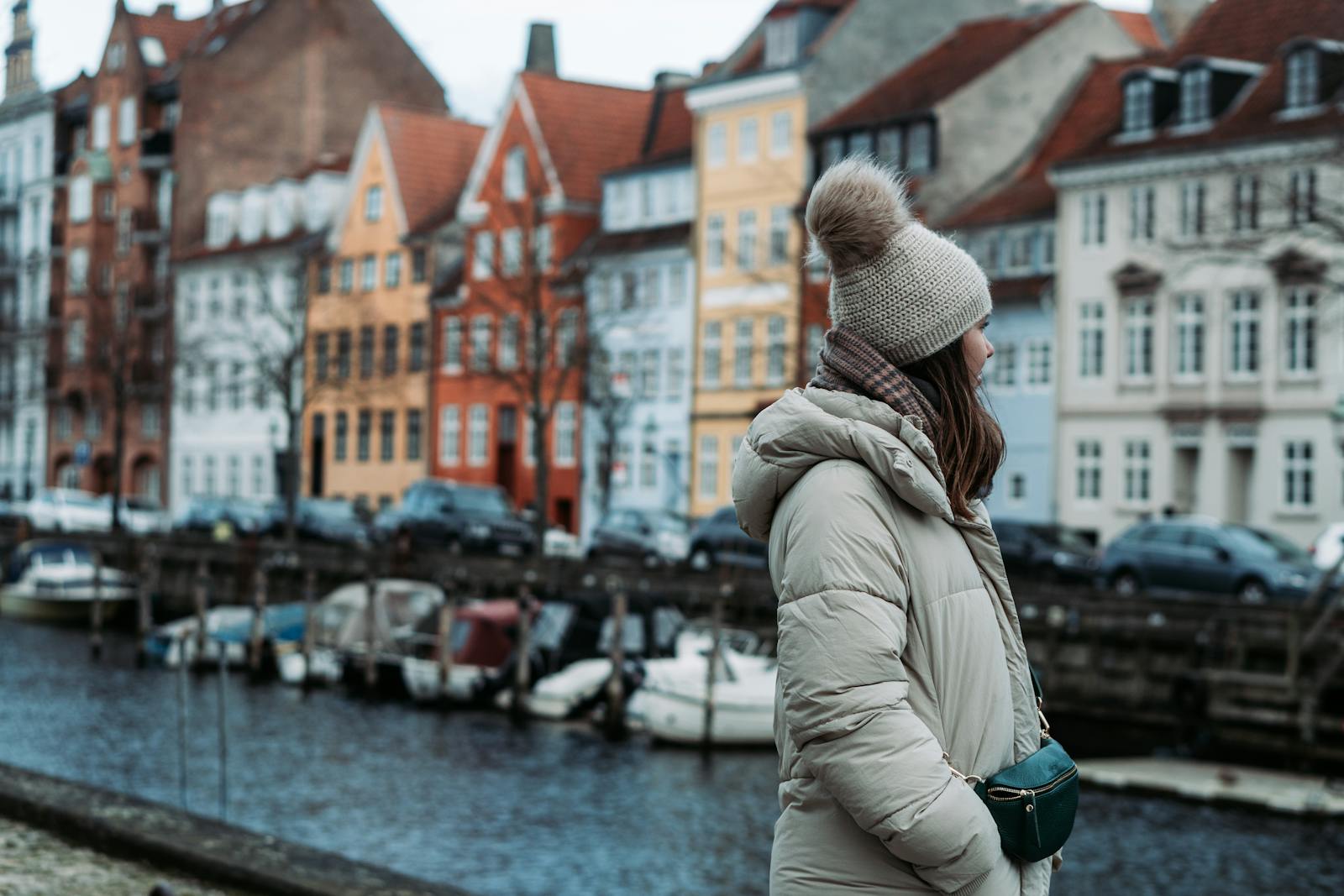
After my divorce, I spent months learning to inhabit space differently. Living alone for the first time in years, I had to figure out my own rhythms without negotiating them with anyone else. I found myself gravitating to the same coffee shop corner, the same walking routes, slowly building a sense of belonging through repetition and recognition.
Cities that work understand this process. They create conditions for repeated, low-stakes encounters between strangers. Not forced community building exercises or designated “community spaces,” but the organic overlap that happens when people feel safe enough to have routines in public.
The Scandinavian model isn’t about forcing interaction. It’s about removing the barriers to natural human behavior. When you trust that most people won’t hurt you, you can have open-plan parks without fencing. When you believe others generally follow social contracts, you can have public services that operate on good faith. When you assume parents are competent, you can design cities where children can navigate independently.
What trust actually builds
Trust isn’t just a nice-to-have social lubricant. It’s infrastructure as essential as roads or pipes. With it, you can have libraries that feel like living rooms, transit systems that run on honor, parks that stay open and unlocked. Without it, you need enforcement for everything, turning public space into a series of checkpoints and prohibitions.
I think about this on my morning walks through Portland rain, passing the tents and tarps that mark our failure to build inclusive cities. We’ve created a system where public space feels owned by no one and everyone simultaneously, where basic human needs like rest and shelter become crimes when performed in view. We design from scarcity — there isn’t enough safety, space, or services to go around — rather than abundance.
The Scandinavian cities that consistently rank as most liveable start from a different premise: there’s enough for everyone if we organize thoughtfully. This isn’t naive optimism. It’s practical math enabled by trust. When you don’t need duplicate systems for security, enforcement, and verification, you can invest in what actually serves human flourishing.
The principle we could choose
The hard truth is that trust can’t be retrofitted through clever urban design. Those Copenhagen bike lanes work because cyclists trust drivers and pedestrians, and vice versa. Those Oslo parks stay beautiful because people trust each other to maintain shared spaces. Those Stockholm libraries operate efficiently because readers trust the system and the system trusts readers.
But trust also isn’t fixed. It can be built, slowly, through consistent experiences that confirm rather than violate expectations. Every public space that works well, every successful commons, every functional system increases the reservoir of social trust. Every hostile design, every privatized public space, every system built on suspicion depletes it.
We keep sending planners to study Scandinavian cities and they keep coming back with the wrong lessons. Yes, the bike infrastructure is wonderful. Yes, the public transit is efficient. Yes, the parks are beautiful. But these are symptoms, not causes. They’re what becomes possible when you start from trust rather than trying to engineer your way toward it.
The cities we build reflect what we believe about human nature. If we believe people are essentially selfish and dangerous, we build fortresses and checkpoints. If we believe people generally want to contribute to something good and meaningful, we build commons and connections. The Scandinavian secret isn’t complicated. They’ve simply chosen to believe the second story and built accordingly.