
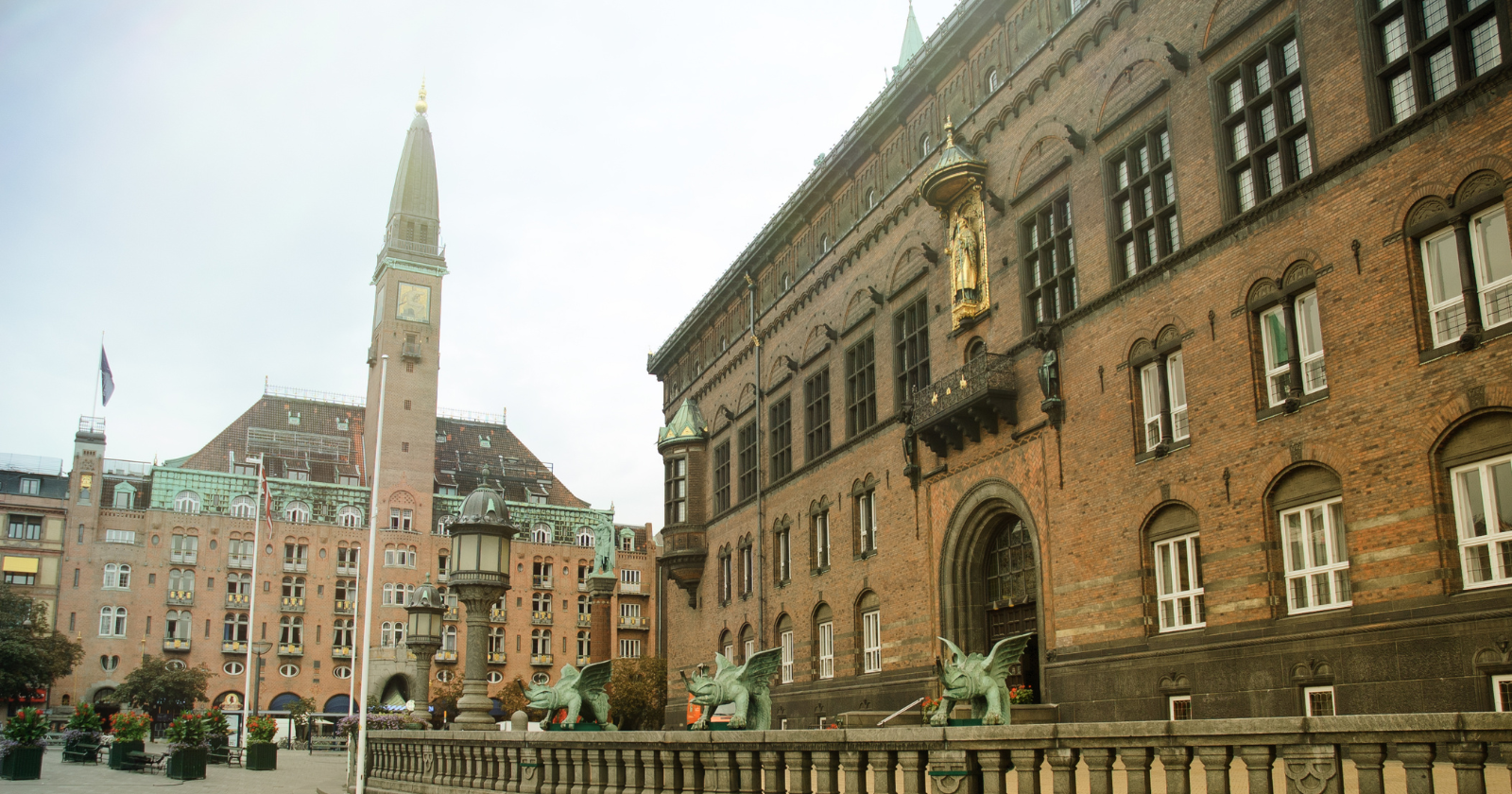

Evidence note (updated 3 August 2026): Copenhagen’s first-place position in the Economist Intelligence Unit’s 2025 livability ranking is documented. Several more specific prescriptions below, including exact green-space distances, snow-clearing priorities, heated benches, and service frequencies, need city or operator sources before being generalised.
Last month, I was writing from a café in Copenhagen when the news broke. Duncan Madden, a Forbes contributor, reported: “Copenhagen has been crowned the world’s most comfortable city to live in 2025, earning perfect scores for stability, education and infrastructure.”
Perfect scores. Not “pretty good” or “above average.” Perfect.
You know what struck me sitting in that café? Nobody was rushing. Not because they’re lazy or unambitious, but because the city’s built to eliminate unnecessary friction. The bike lanes aren’t afterthoughts painted between parked cars and traffic. They’re legitimate thoroughfares with their own traffic lights, wider than some car lanes I’ve driven.
When I worked with teams in major cities years ago, morning commutes were a masterclass in cortisol production. Delayed subway, packed platform, someone’s armpit in your face for 40 minutes. By the time people hit their desks, they’d already burned through half their daily patience reserves. In Copenhagen, people bike to work in business clothes without breaking a sweat because the infrastructure assumes that’s exactly what they’ll want to do.
The difference? Scandinavian cities design for the humans they have, not the humans they wish they had. They don’t build assuming everyone owns a car and loves sitting in traffic. They don’t pretend people enjoy concrete jungles. They build assuming people want to move efficiently, breathe clean air, and not hate their lives by 9 AM.
Green space isn’t decoration
Here’s a pattern I noticed after a decade of performance coaching: the teams that burned out fastest were the ones with no recovery zones. All intensity, no release valves. Cities work the same way.
Scandinavian urban planners get this at a cellular level. Parks aren’t what you squeeze in after you’ve maximized building density. They’re the skeleton everything else hangs on. In Stockholm, you’re never more than 300 meters from green space. That’s not an accident or geographic luck. That’s policy.
I’ve written from hotel desks in maybe thirty cities this year. The pattern’s consistent: cities that treat nature as optional wonder why their residents are stressed, while cities that weave green space into their DNA have populations that can actually think straight.
The gym lobby where I’m writing this overlooks a strip mall parking lot. Pure concrete, pure function, pure depression. Now imagine if half that space was a park with benches and trees. Same square footage, completely different psychological impact. Scandinavian cities figured out that green space isn’t lost revenue. It’s infrastructure for mental health.
They solve for winter like winter actually happens
Most cities treat winter like an annual surprise. “Snow? In January? Who could have predicted this?”
Scandinavian cities plan for winter like armies plan for war. Because it’s not a maybe. It’s a definitely.
Oslo doesn’t shut down when it snows. The bike lanes get plowed before the roads. The subway runs on time. Buildings are designed to maximize light during short days. Public spaces have heated benches and wind barriers.
Compare that to cities that get half as much snow but completely implode every winter. The difference isn’t resources. It’s accepting reality versus hoping it’ll be different this time.
I learned this lesson the hard way building teams. You can’t optimize for best-case scenarios and then act shocked when Tuesday happens. You build for the constraints you actually have, not the ones you wish you had. Scandinavian cities build for eight months of cold because that’s what they get. Revolutionary concept, apparently.
Public transit that assumes people have somewhere important to be
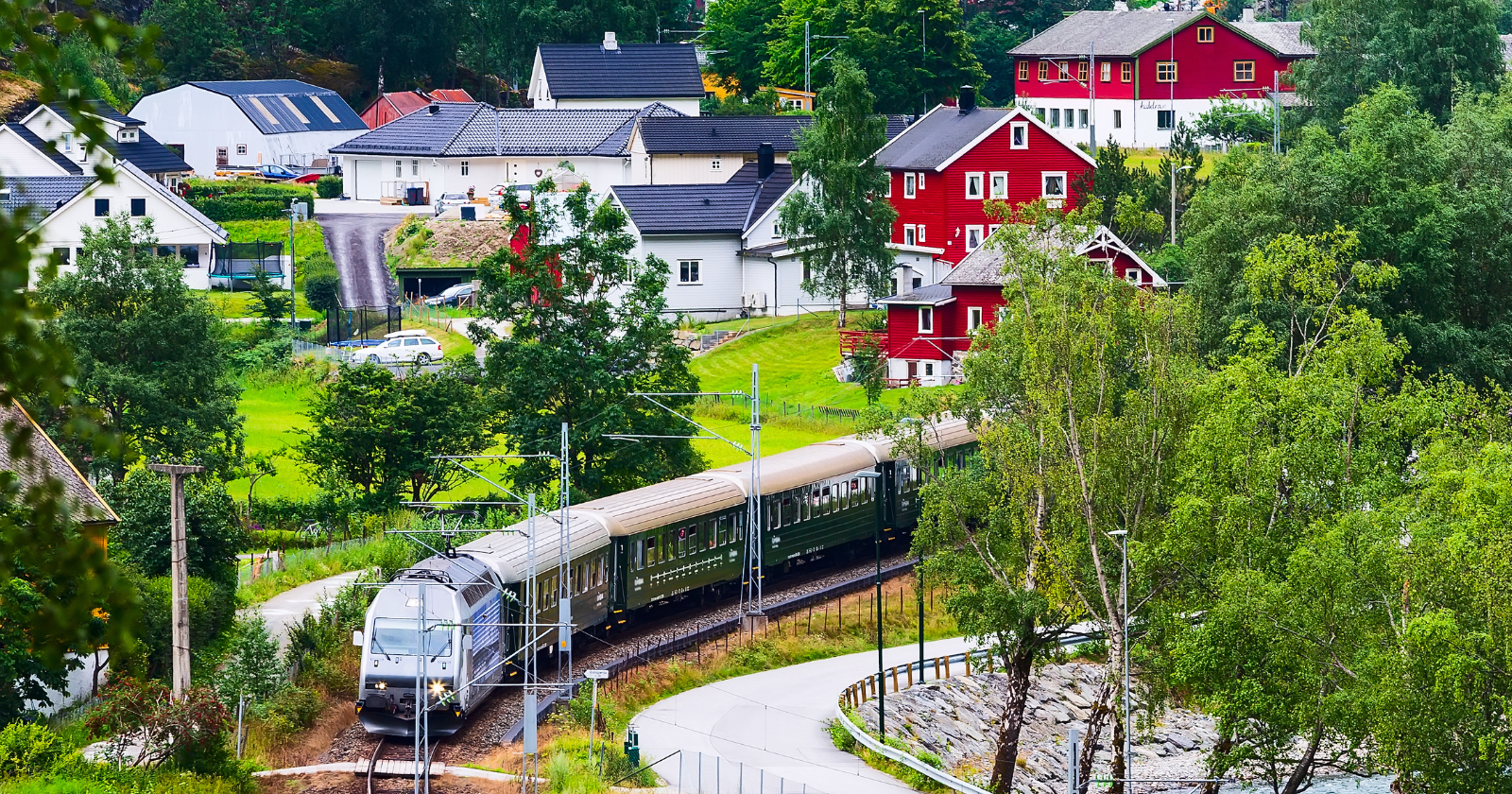
The metro in Stockholm runs every 2-3 minutes during peak hours. Not scheduled to run. Actually runs. I’ve tested this with the obsessiveness of someone who’s been burned by “scheduled” arrivals too many times.
Here’s what that frequency means: you don’t check a schedule. You just show up. Miss a train? Another one’s coming before you can finish feeling annoyed. That changes everything about how you move through a city.
When transit has 20-minute gaps, every trip requires military precision. Leave seven minutes late? Congratulations, you’re now 27 minutes late. That background anxiety compounds. You’re always doing math, always rushing, always stressed.
Scandinavian cities treat public transit like critical infrastructure, not a budget line item to squeeze. The trains are clean because they’re cleaned. They run on time because on-time is non-negotiable. They connect everywhere because that’s the point of a network.
The expensive myth that keeps us stuck
“Must be nice to have all that oil money.”
That’s the escape hatch everyone uses. As if Copenhagen’s bike lanes are made of gold and Oslo’s trains run on liquid diamonds.
Research examining urban planning in Scandinavian cities highlights the importance of integrating green spaces and sustainable practices to enhance urban livability and environmental quality. Notice what’s not mentioned? Unlimited budgets.
These cities made choices. They chose bikes over parking. They chose trains over highways. They chose density over sprawl. They chose long-term livability over short-term development profits.
Every city has a budget. The question is what you do with it. Build another highway that’ll be clogged in five years? Or build a transit system that actually works? Add another parking garage? Or create a park that makes the neighborhood worth living in?
The money argument is a cop-out. It’s what we tell ourselves so we don’t have to admit we’re choosing badly.
What you can actually steal
You can’t copy-paste Copenhagen onto Cleveland. But you can steal the principles.
Start with one neighborhood. Pick the highest-traffic area and make it hostile to cars. Not impossible, just inconvenient enough that walking or biking becomes easier. Add real bike lanes, not painted suggestions. Time the lights for bikes and pedestrians, not just cars.
Convert one parking lot to green space. Just one. Watch what happens to foot traffic, to local businesses, to property values. Document it obsessively.
Fix your bus or train frequency on one major line. Make it run every 5 minutes during rush hour. No schedule needed, just show up and go. Make it so reliable that people plan their lives around it.
These aren’t massive infrastructure projects. They’re experiments. But they’re experiments based on proven principles, not wishful thinking.
Bottom line
Scandinavian cities win because they build for reality, not fantasy. They assume people need to move efficiently, want access to nature, and deserve public spaces that don’t make them miserable.
Your city probably won’t top any livability rankings next year. But it could be marginally less terrible if it stopped pretending bikes don’t exist, winter doesn’t happen, and green space is optional.
The blueprint’s right there. Stockholm, Copenhagen, and Oslo aren’t hiding their homework. They’re showing us exactly what works. The question isn’t whether we can copy them. It’s whether we’re willing to admit what we’ve been doing isn’t working.
Next time you’re stuck in traffic, breathing exhaust, wondering why your city feels like it’s actively fighting you, remember: somewhere in Copenhagen, someone’s biking to work in a suit, stopping at a park for coffee, and arriving unstressed.
That’s not Nordic magic. That’s just good design. And good design is always steal-able.