

Evidence note (updated 3 August 2026): Lagom is a useful Swedish idea, but the furniture-brand source cited here is a design explainer, not a representative study of Scandinavian households or psychological need. The home examples below are interpretations, not universal regional behaviour.
You walk into a Scandinavian home and something feels different. Not empty, not sparse, just… right.
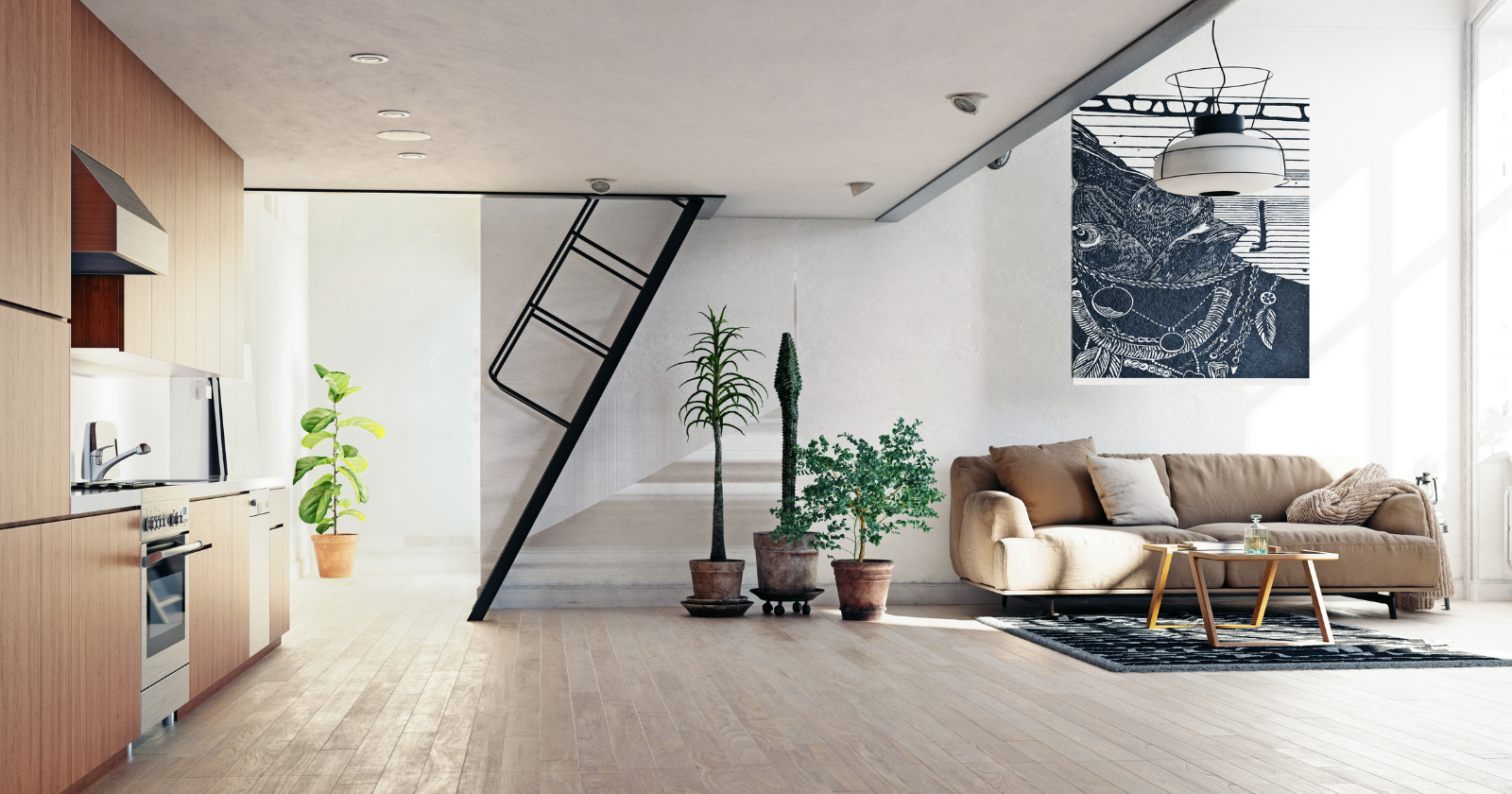
I noticed this years ago when visiting a colleague in Copenhagen. Every object had a purpose. Every surface had breathing room. Nothing screamed for attention, yet nothing felt missing. It wasn’t minimalism—her place had plenty of stuff. Books, plants, kitchen tools, kids’ toys scattered in corners.
But there was this underlying calm that I couldn’t quite place until I started paying closer attention to how Nordic people actually live versus how we think they live.
We’ve turned Scandinavian design into an Instagram aesthetic. White walls, blonde wood, maybe a sheepskin throw. But that misses the deeper philosophy that shapes these spaces—one that has nothing to do with counting possessions or following design rules.
The difference between enough and too little
Here’s what trips people up: Scandinavian homes aren’t minimal for minimalism’s sake. They’re edited.
There’s a massive difference.
Minimal means stripping down to bare essentials. Edited means keeping what serves you and removing what doesn’t. One is about reduction. The other is about selection.
I keep my own place uncluttered because clutter spikes my stress more than it bothers me aesthetically. But I’m not counting my possessions or following some arbitrary rule about how many books I can own. I’m asking a different question: Does this thing earn its place in my space?
Nordic cultures have been asking this question for generations. Not because of design trends, but because of practical reality. Long, dark winters in small spaces force you to be intentional about what you live with. You can’t afford—psychologically or physically—to surround yourself with things that don’t pull their weight.
Function first, beauty follows
Watch how someone arranges a Scandinavian kitchen. The good knives are within arm’s reach. The everyday dishes sit at eye level. The coffee maker gets prime counter space because coffee is non-negotiable.
Everything else? Stored away or gone entirely.
This isn’t about aesthetics. It’s about flow. When you use something daily, it deserves premium placement. When you use it monthly, it goes in the back of the cupboard. When you use it never, it shouldn’t exist in your space.
The beauty comes from this functional arrangement naturally. A well-used wooden cutting board develops character. A favorite mug collection creates visual interest. The tools of daily life, when chosen well and placed thoughtfully, become the decoration.
The philosophy of lagom
Swedes have this concept called lagom—often translated as “just the right amount.” Not too much, not too little. The Goldilocks principle applied to everything from portion sizes to furniture arrangements.
But here’s what most articles miss: lagom isn’t about finding the perfect middle ground. It’s about finding your right amount.
Your lagom for books might be floor-to-ceiling shelves. Someone else’s might be five carefully chosen volumes. Neither is wrong if it matches how you actually live.
The principle of lagom in Scandinavian design advocates for balance and moderation, encouraging spaces that are neither too sparse nor too cluttered, according to research from Tylko Journal. This aligns with the cultural emphasis on harmony and contentment—but it’s personal harmony, not universal rules.
I’ve learned to apply this when making decisions about my own space. Which choice makes me respect myself tomorrow? The answer is usually the one that matches my actual behavior, not my aspirational self.
Quality over quantity (but not perfection)
Nordic design favors buying one good chair over three mediocre ones. One solid table over a cheap set that wobbles. One warm coat over five that barely function.
This sounds elitist until you do the math. That one good chair lasts twenty years. Those three mediocre ones need replacing every five. The quality item costs less per year, creates less waste, and—critically—works better every single day you use it.
But quality doesn’t mean perfection. Scandinavian homes embrace wear. Scratches on the dining table from decades of family meals. Faded cushions on the reading chair. These aren’t flaws to hide—they’re proof of life being lived.
The pressure to maintain pristine spaces kills the functionality that makes these homes work. When you’re afraid to use your things, they stop serving their purpose.
Light as a non-negotiable
In Nordic countries, daylight is currency. Winter days barely exist. Darkness dominates for months.
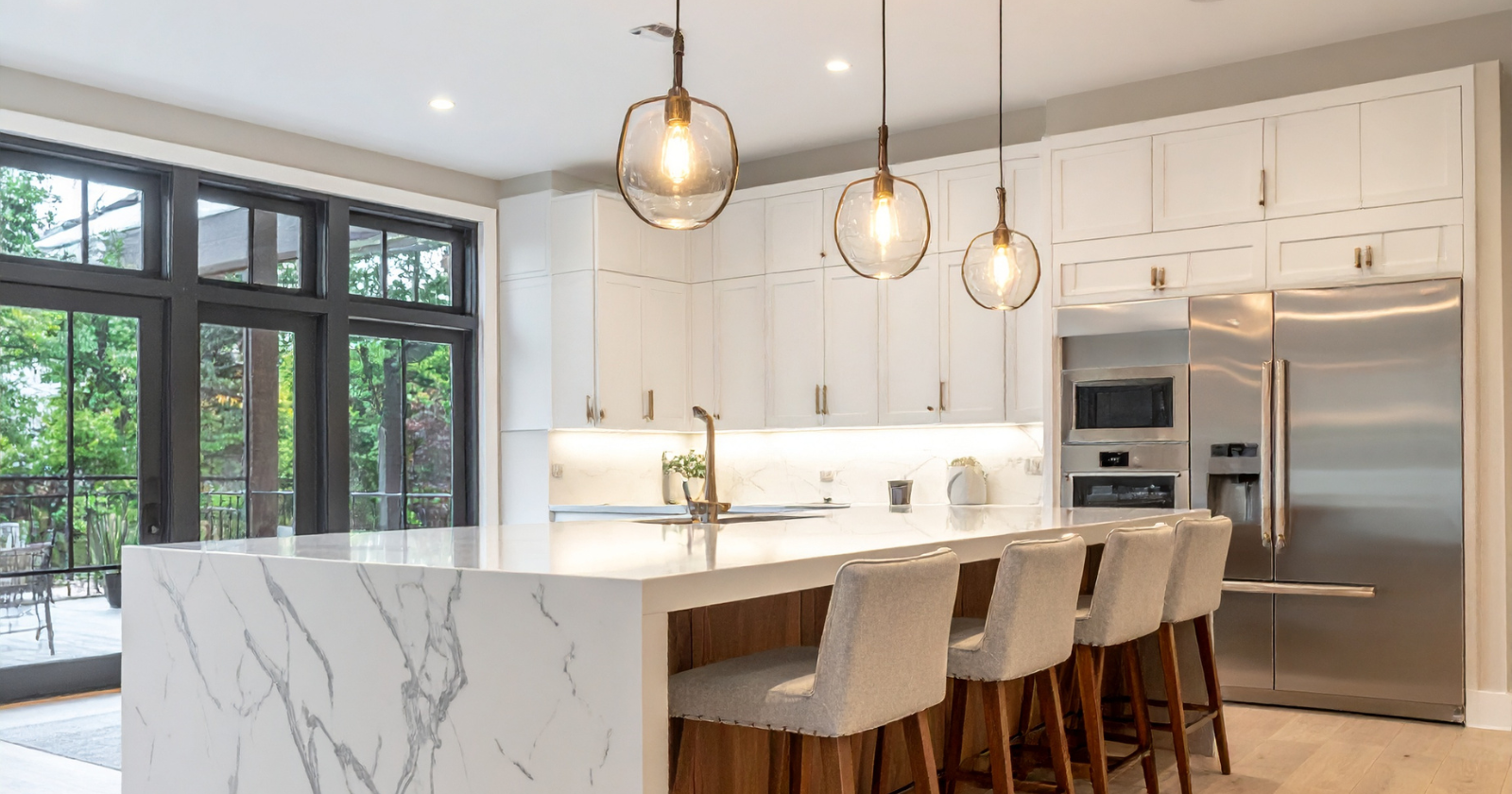
So Scandinavian homes treat light like Americans treat square footage—as the primary measure of a space’s value. Big windows. Minimal window coverings. Mirrors positioned to bounce light deeper into rooms. Light colors that amplify rather than absorb.
But it goes beyond natural light. Every room has multiple light sources at different heights. Table lamps, floor lamps, candles everywhere. Not for ambiance—for survival. When darkness presses in for eighteen hours a day, you need layers of light to maintain sanity.
This obsession with light shapes everything else. Clutter blocks light. Dark colors eat light. Heavy curtains steal light. So these things disappear not for aesthetic reasons but for psychological necessity.
The social contract of space
Here’s something rarely discussed: Scandinavian design assumes you’ll have people over.
Not for showing off. For coffee. For casual dinners. For dropping by when the weather’s brutal and everyone needs human contact.
So the space needs to work for groups without stress. Extra chairs that stack. Extending tables. Clear surfaces where people can set down cups and plates. Nothing so precious that you panic when kids visit.
The design supports connection rather than impression. You’re not curating a museum. You’re creating a space where people feel comfortable enough to actually relax.
Bottom line
Scandinavian homes work because they’re honest about how people actually live versus how we think we should live.
They don’t chase trends or follow rigid rules. They respond to reality: harsh climates, limited daylight, the human need for both solitude and connection, the daily rituals that anchor us.
The “right amount” isn’t a number. It’s alignment between your space and your life.
Start with function. What do you actually do in each room? What tools does that require? Everything else is negotiable.
Pay attention to flow. Where do you get stuck? Where do things pile up? Those are design problems, not character flaws.
Choose quality for things you touch daily. Accept good enough for everything else.
Protect your light sources—literal and metaphorical. Remove what blocks them.
Make room for others without sacrificing yourself.
The goal isn’t a Scandinavian aesthetic. It’s a space that serves you so well you barely think about it. Where everything has a reason for being there, and nothing exists just because it always has.
That’s the quiet philosophy. Not minimalism as performance, but intentionality as practice. Not design as statement, but space as support system.
Your home should make your life easier, not harder. Everything else is just decoration.