
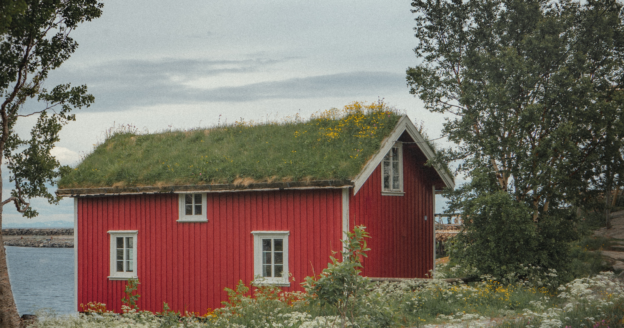
The first time I walked into my Danish friend’s 500-square-foot apartment, I expected to feel claustrophobic. Instead, I felt something I hadn’t experienced in my own home in years — a deep, settling calm that made me want to stay forever. The space was smaller than my first classroom, yet somehow it felt more expansive than houses three times its size.
After retiring from teaching, I’ve had plenty of time to think about spaces and how they affect us. And here’s what struck me most about that tiny Copenhagen apartment: it wasn’t empty or sparse like those minimalist homes you see in magazines. There were books, plants, blankets, even some clutter on the kitchen counter. Yet everything felt intentional, peaceful, grounded.
That experience sent me down a rabbit hole of Scandinavian design principles, and what I discovered surprised me. The calm we feel in these spaces has less to do with having fewer things and more to do with three specific design choices that tap into something deeper — our need for connection, authenticity, and psychological comfort.
The democracy of good design changes everything
Growing up, “good design” meant something rich people had. You either could afford beautiful things or you couldn’t. But Scandinavian homes operate from a completely different premise.
As Niki Brantmark, author of Lagom: The Swedish Art of Living, puts it: “Scandinavian design has a tradition of striving to ensure everyone has access to good design, not just the elite.”
Think about that for a moment. When design isn’t about showing off wealth or status, it fundamentally changes what you create. You stop choosing things to impress visitors. You stop filling spaces with expensive objects that serve no real purpose.
Instead, you focus on what actually makes daily life better — a comfortable chair that supports your back during long reading sessions, a table at the perfect height for family dinners, lighting that makes everyone look good at 7 AM.
This democratic approach creates calm because it removes the anxiety of keeping up appearances. Every object earns its place through function and beauty, not price tags. When I reorganized my own home office after retirement, I started asking myself: Does this make my daily life better? Not “Is this impressive?” or “What will people think?” Just that simple question changed everything about how the space felt.
The result? A room where everything serves a purpose, where nothing screams for attention, where calm emerges naturally because there’s no performance happening. Just life, lived well.
Natural materials speak a language our bodies understand
Walk into any Scandinavian home and you’ll notice something your brain registers before your conscious mind does — the materials feel alive. Wood grain you can trace with your finger. Stone that holds coolness in summer. Wool that invites touch. Linen that softens with each wash.
Research on Scandinavian home design highlights how the integration of natural elements and ergonomic design enhances comfort and tranquility, emphasizing the use of natural materials and human-centered design principles.
This isn’t just aesthetic preference. Our nervous systems evolved surrounded by these materials for thousands of years. Synthetic surfaces might be practical, but they don’t speak the same primal language to our bodies. A wooden table tells a story through its grain. A stone countertop carries the weight of geological time. These materials age, weather, and change — just like we do.
I learned this lesson the hard way when I first retired. In my excitement to finally have time for home projects, I went a bit overboard with sleek, modern updates. Glass here, chrome there, plenty of smooth synthetic surfaces that promised easy maintenance. But something felt off. The space felt cold, almost hostile, despite being spotlessly clean and undeniably modern.
Then I remembered that Danish apartment. Slowly, I started introducing natural elements. A solid oak desk to replace the glass one. Linen curtains instead of polyester. A wool throw for the reading chair. Each change was small, but the cumulative effect was profound. The room began to breathe. It felt warmer without changing the thermostat, quieter without adding soundproofing.
Natural materials create calm because they connect us to something larger than ourselves. They remind us we’re part of the natural world, not separate from it. In small spaces especially, this connection prevents that trapped, artificial feeling that can make tight quarters feel oppressive.
Light becomes the architecture
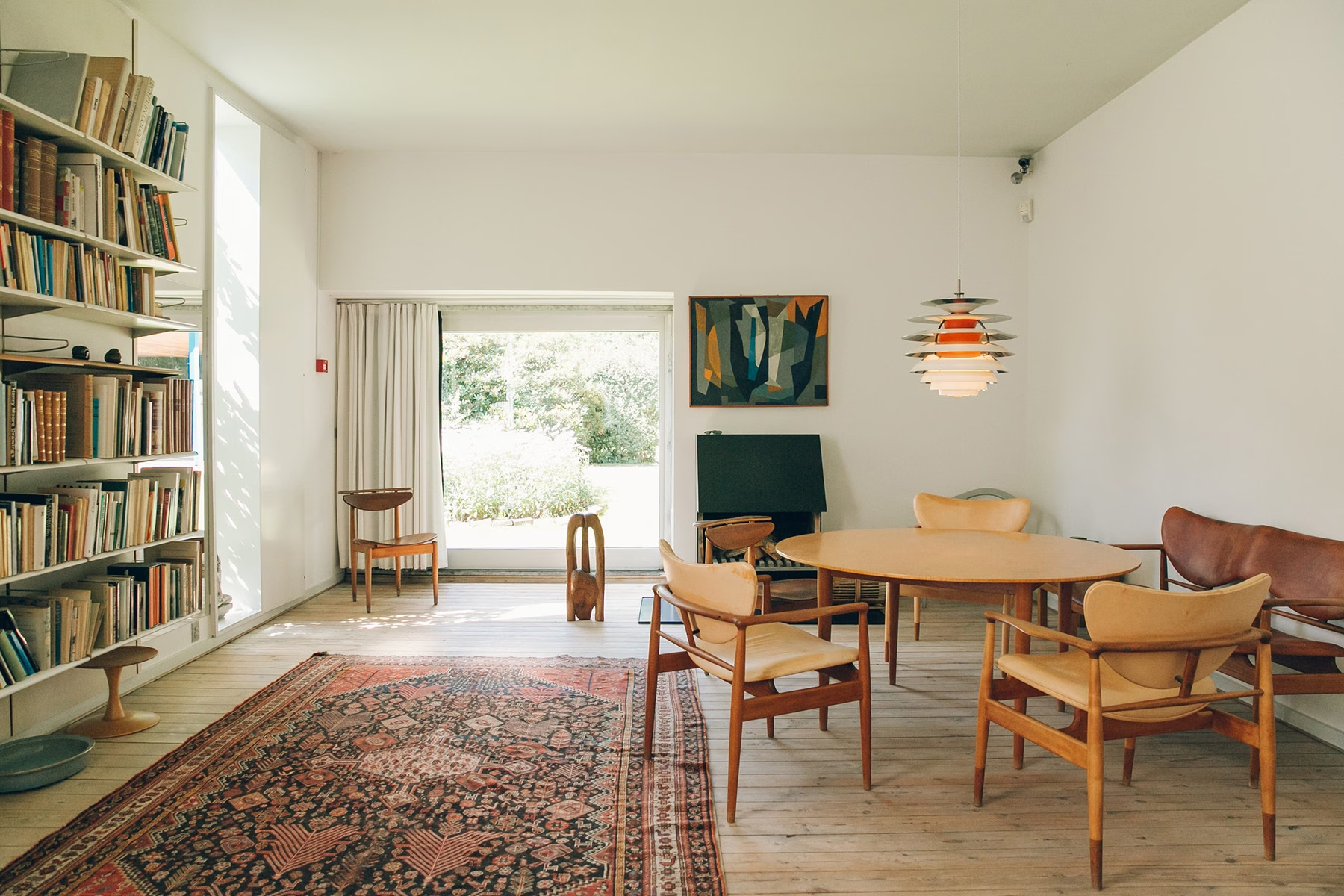
Here’s something fascinating: Scandinavian homes often have fewer walls and smaller footprints than American homes, yet they rarely feel cramped. The secret? They treat light as a building material, as essential as wood or stone.
Anna Decilveo, Merchandiser at Tictail, notes that “Scandinavian design calls for minimal window treatments that allow light to pour into a space.”
But it goes deeper than just letting sunlight in. These homes layer different types of light throughout the day. Morning light streams across the breakfast table. Afternoon light pools in reading corners. Evening brings out candles and low, warm lamps that create intimate pools of brightness.
During my teaching years, I saw firsthand how light affected learning. Fluorescent-lit classrooms made students sluggish and irritable. But the one year I had a classroom with huge east-facing windows? Magic happened. Students were more engaged, less anxious, more creative. The same principle applies to our homes.
Light defines space without walls. It creates zones without barriers. A bright corner becomes a workspace. A softly lit nook becomes a retreat. The same small room can feel energizing in the morning and cozy at night, simply through conscious use of light.
Since retirement, I’ve become almost obsessive about light in my own home. Not in a complicated way — just paying attention. Opening curtains fully during the day. Using warm bulbs in living spaces. Adding a small lamp to the corner that always felt dead. These simple changes transformed rooms without moving a single piece of furniture.
Why this matters now more than ever
You might wonder why any of this matters if you’re not planning a home renovation or moving to Stockholm. But here’s what I’ve realized after decades of watching people struggle with their spaces: our homes shape our inner lives more than we admit.
The principles behind Scandinavian calm aren’t really about design. They’re about values. Democracy over hierarchy. Nature over artifice. Light over darkness. When we bring these values into our spaces — regardless of size, budget, or style — we create environments that support rather than stress us.
Start small. Replace one synthetic item with something natural. Rearrange furniture to catch more light. Choose one beautiful, functional object over three decorative ones. Notice how these tiny shifts change not just how your space looks, but how it feels to inhabit your own life.
After all these years in education, I’ve learned that the best lessons are often the simplest ones. Scandinavian design teaches us that calm isn’t about having less — it’s about being more intentional with what we choose to live with.
What one change could you make today to bring more of this grounded calm into your own space?