
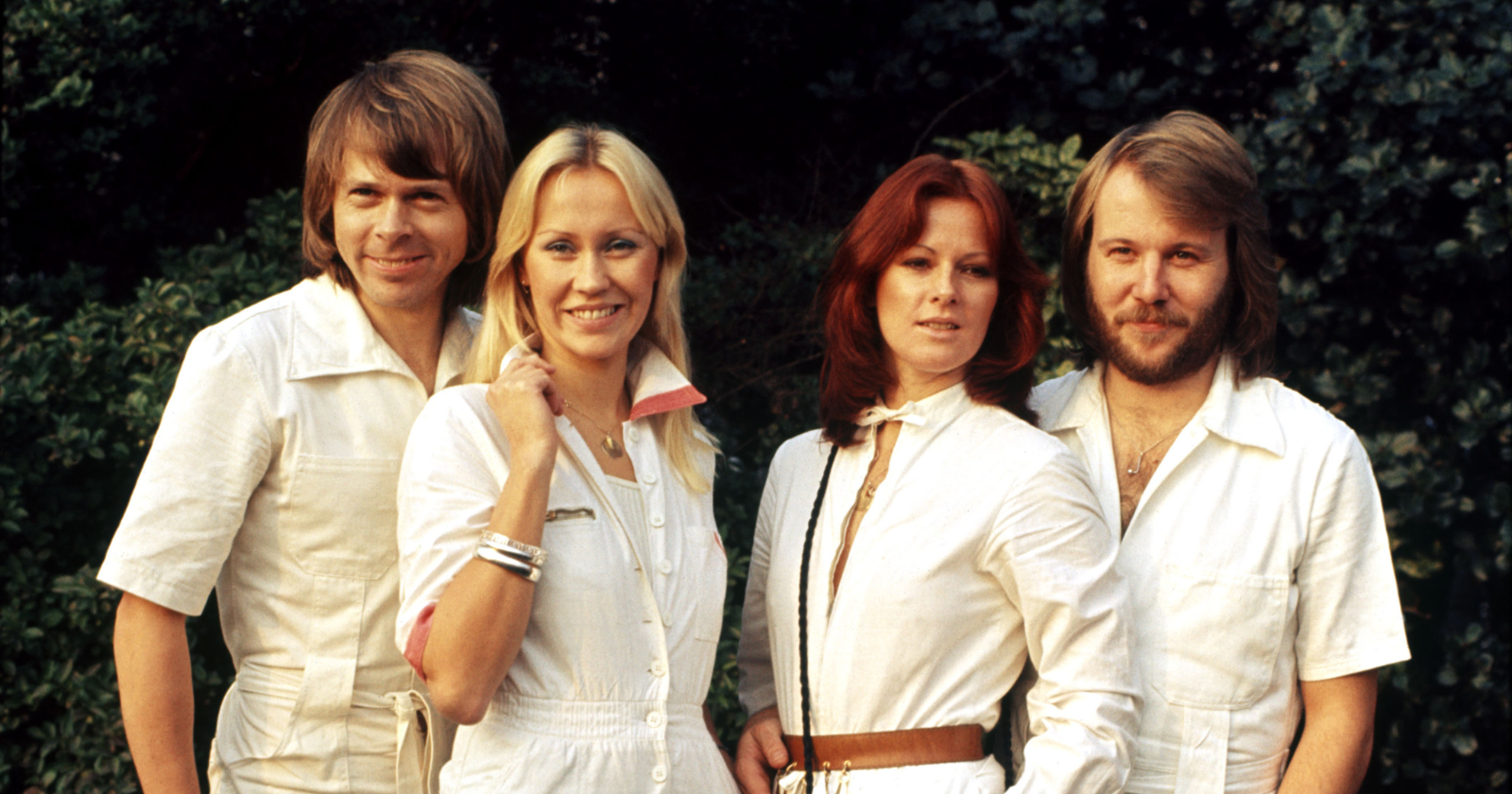

Picture the year 2000 for a second. Boy bands ruled the radio, everyone had just survived Y2K, and somewhere in Stockholm, four middle-aged Swedes were being dangled the biggest paycheck in pop history.
A billion dollars. Not million — billion. Split four ways, that’s roughly $250 million each, just for getting back on stage and singing the songs the whole world already knew by heart.
They said no.
The band that walked away at the top
To understand why, you have to remember how ABBA ended. There was no farewell tour, no tearful press conference, no greatest-hits victory lap. After dominating the charts for a decade with “Dancing Queen,” “Waterloo,” “Mamma Mia” and “Take a Chance on Me,” the group quietly played their last shows in 1982 and simply… stopped. They called it a break. The break never ended.
Both marriages inside the band — Björn and Agnetha, Benny and Frida — had already come apart, and the four of them were ready for something else. Björn put it plainly to a British newspaper in 1983, and it’s the sentence that would define the next forty years: they would never appear on stage again, because money wasn’t a factor and they wanted people to remember them as they were — young, exuberant, full of energy and ambition.
At the time, it probably sounded like the kind of thing bands say right before the inevitable reunion tour. The Eagles said never. The Police said never. Everybody says never.
ABBA meant it.
The offer nobody could refuse — except them
By 2000, ABBA’s afterlife had become bigger than most bands’ actual careers. “ABBA Gold” was on its way to selling 30 million copies. “Mamma Mia!” was packing theaters. An entire generation that hadn’t been born for “Waterloo” was singing along to it anyway.
So a British-American consortium came calling with the now-famous figure: one billion dollars for a reunion tour. Depending on which account you read, the plan involved anywhere from 100 shows to 250 dates across 100 cities — which works out to millions of dollars per night, per band.
Here’s the twist most people don’t know: it may never have been a real offer at all. Björn later admitted that someone had floated the idea of a sponsored tour, but nothing was ever actually put on paper. The most famous rejection in music history was, technically, ABBA turning down a rumor of a billion dollars.
Not that a signed contract would have changed anything. Benny was even blunter about it years later, saying the band never even considered opening negotiations — in his view, the people who truly loved ABBA were better served by the band staying away. He couldn’t understand groups that reunited for the money or the thrill of the stage, because ABBA felt neither pull.
The closest anyone got to a reunion in those years was a strange, wonderful night in 1992, when Björn and Benny wandered onstage at a U2 concert in Stockholm to play “Dancing Queen” — and Bono bowed down to them, “Wayne’s World” style, in front of a delirious crowd.
The loophole they eventually found
Here’s the part that makes the whole story land differently now. In 2021, ABBA finally did come back — new album, new songs, a purpose-built arena in London. But the four of them still weren’t on that stage. Instead, audiences watch digital versions of the band, painstakingly created to show ABBA exactly as they looked in 1979.
Think about that for a moment. Björn’s one sentence from 1983 — remember us young, exuberant, full of energy — wasn’t just an excuse to skip a tour. It was a wish. And four decades later, technology granted it literally. Every night in London, ABBA takes the stage at their absolute peak, forever 1979, while the real Björn, now in his seventies, has said he’d rather be out paddling his surf ski in the Stockholm archipelago anyway.
Most bands that turn down a fortune end up taking a smaller one later, a little grayer, a little slower, chasing the memory of what they were. ABBA held out long enough to find the one reunion that didn’t cost them the thing they were protecting.
A billion dollars buys a lot. It turns out it couldn’t buy the one thing ABBA cared about — and in the end, they didn’t have to sell it.