
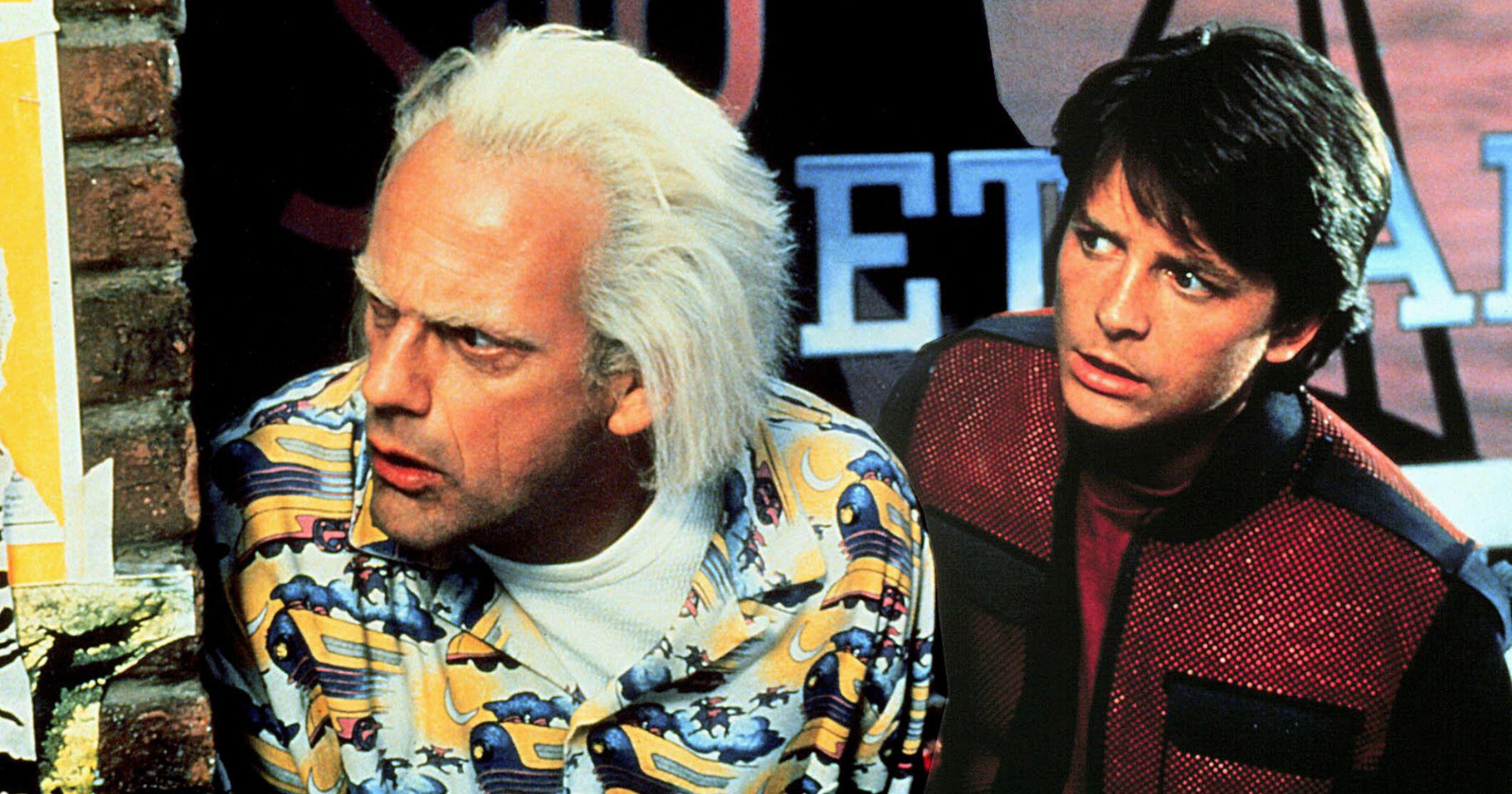

Here is the strangest rejection note in Hollywood history, and it belongs to the most beloved movie of the 1980s: not scary enough, not sexy enough, not edgy enough. Too nice.
Between 1980 and 1984, Robert Zemeckis and Bob Gale hauled their script about a kid, a scientist and a time machine around every studio in town, and the door slammed more than forty times. Their timing was the problem. This was the golden age of the raunchy teen comedy — “Porky’s,” “Fast Times at Ridgemont High” — and executives read “Back to the Future” and saw a sweet, clever, warm-hearted film with no nudity and no gross-out gags. In that market, wholesome was box-office poison.
Too clean for Hollywood, too dirty for Disney
The punchline is what happened when Columbia, passing on the script, helpfully suggested the obvious home for something so wholesome: take it to Disney.
Disney read it and was horrified. A movie where a teenage boy travels back in time and his own mother develops a crush on him? Executives there deemed the incest-adjacent subplot far too risqué for the family brand. And so “Back to the Future” achieved something genuinely impossible: it was simultaneously too clean for every studio in Hollywood and too filthy for Disney.
For four years and four drafts, that was the trap. What finally sprang it wasn’t the script changing — Zemeckis and Gale kept its core intact — it was Zemeckis directing “Romancing the Stone,” which became a smash and instantly transformed him from unbankable to hot. Steven Spielberg, who had believed in the pair through years of flops, came aboard as producer, and the film landed at Universal. The kid, the scientist and the DeLorean were finally going into production.
Then the studio’s own boss nearly wrecked the one thing everybody now knows about it.
“Spaceman from Pluto”
In 1984, Sid Sheinberg — the powerful head of Universal, and not a man filmmakers casually said no to — sent the production a memo about the title. “Back to the Future,” he argued, made it feel like a genre time-travel picture (it is, of course, exactly that), and he was convinced no successful movie had ever had “future” in the title. His proposed fix: rename it “Spaceman from Pluto,” tying into a gag where 1955 townsfolk mistake Marty for an alien. In the same memo, he cheerfully acknowledged his title would sound like a cheap old sci-fi flick — and recommended it anyway.
Zemeckis and Gale were stuck. This wasn’t a note they could laugh off; it came from the man who signed the checks. Fighting the memo head-on meant a war with the studio chief. So they took it to Spielberg, and Spielberg produced one of the great power moves in Hollywood history. He sent Sheinberg a short reply thanking him for his hilarious joke memo, saying the whole office got a big kick out of it.
Sheinberg, cornered, could either admit he’d been serious — and be the man who genuinely wanted to call “Back to the Future” “Spaceman from Pluto” — or let it go. He let it go. The title was never mentioned again.
The wholesome flop-to-be that owned 1985
You know how this ends, but the numbers still startle. The film “nobody wanted” opened in the summer of 1985, spent eleven weeks at No. 1, finished as the highest-grossing movie of the year, and turned $19 million of production money into roughly $389 million worldwide — plus two sequels, an animated series, a theme-park ride and, decades later, a hit Broadway musical. Even the White House joined in: Ronald Reagan reportedly found the film’s joke about him so funny he had the projectionist stop and replay it, and quoted the movie in his State of the Union address the following year.
Every single studio that passed had read the same script that did all of that. The pages didn’t change. The town’s judgment did — four years too late to claim any credit.
And the quality they all rejected it for? That’s the exact quality that keeps it alive. The raunchy comedies that “Back to the Future” wasn’t edgy enough to compete with are trivia answers now. The wholesome one is the movie parents can’t wait to show their kids — who then can’t wait to show theirs. Turns out “too nice to succeed” had it backwards: nice is what lasts. Great Scott.