
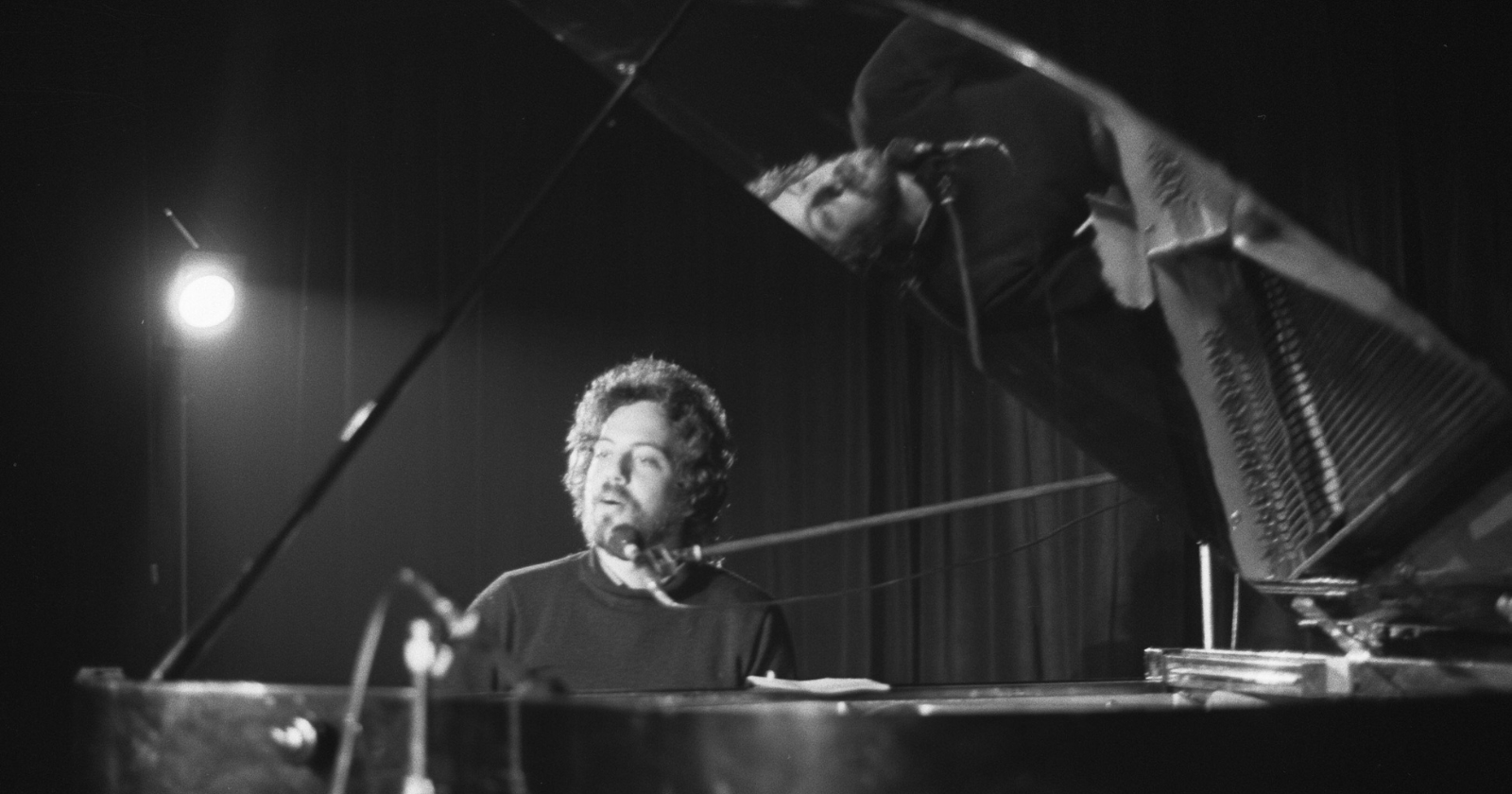

Every night for six months, the regulars at a cocktail lounge on Wilshire Boulevard put their bread in the jar of a piano player they knew as Bill Martin. Nice kid. Played whatever you asked. Worked from after dinner until two in the morning, six nights a week, for about a hundred bucks a week, tips, and free drinks.
What none of them knew was that “Bill Martin” was Billy Joel — and that he was quietly turning all of them into the most famous bar crowd in the history of American music.
The disappearing act
The reason Billy Joel was playing a Los Angeles lounge under an assumed name in 1972 is one of the great cautionary tales of the record business. His debut album, “Cold Spring Harbor,” had been botched by his label — a mastering error left his vocals audibly sped up — and worse, he’d discovered what he had actually signed: a deal that handed over his publishing rights, his licensing, his copyrights, essentially his musical life. His conclusion was drastic and simple — the only way out of the deal was to disappear, to drop off the face of the earth.
So he did. He left New York for Los Angeles with his girlfriend, Elizabeth Weber, and while lawyers wrestled over his future back east, a cut-rate talent agency booked him into a piano bar called the Executive Room. He performed as “The Piano Stylings of Bill Martin” and, by his own cheerful admission, bluffed his way through the lounge repertoire.
Here’s the wink in the alias, though: Bill Martin wasn’t really a fake name. Billy Joel’s full name is William Martin Joel. Hiding from the industry, he simply dropped the part of himself the contract owned and kept the rest. The man at the piano was arguably more himself than the name on the record deal.
Yes, they were all real
If you’ve ever wondered whether the characters in “Piano Man” were invented — they weren’t. John at the bar, the friend who’s quick with a joke and sure that he could be a movie star? A real bartender named John, working the same shifts. Paul the “real estate novelist”? An actual real estate broker named Paul who sat at the bar night after night working on the great American novel — which, Joel later noted, likely never got finished, since the author never seemed to leave the barstool. There really was a Davy, and he really was in the Navy.
And the waitress practicing politics? That was Elizabeth — Joel’s girlfriend, waiting tables in the same room while her boyfriend played. She’d become his wife in 1973, and later his manager. The two of them were hiding out in that lounge together, a fact that gives the song’s weary 9 o’clock crowd a strange sweetness once you know it.
The regulars asked their piano man the song’s most famous question in earnest — some version of “man, what are you doing here?” They meant it as a compliment: you’re too good for this room. They had no idea how loaded the question was, or that the answer was “hiding from a record contract,” or that the kid was going home and writing all of them down.
Everybody knows Bill now
The escape worked. In 1973, his old label let him go — though the price was steep, with royalties flowing to his former producer for years afterward — and Joel signed with Columbia. “Piano Man,” the song about the lounge, became the title track of his first Columbia album. Funny enough, it wasn’t even a smash at the time: the single, chopped down from its five and a half minutes because radio found it too long, peaked at just No. 25. Joel himself was shocked it became a hit at all, and has joked about its karaoke-favorite status ever since.
But some songs don’t chart their way into history — they sing their way in, one crowded room at a time. Half a century later, “Piano Man” is in the Library of Congress’s National Recording Registry, and it closes nearly every Billy Joel concert, with entire arenas bellowing the chorus back at him.
Which is the part the Executive Room crowd could never have imagined. The whole premise of that lounge was that nobody knew who the piano man was. Now, every night he plays, tens of thousands of people sing “sing us a song, you’re the piano man” — to the one piano player everyone on Earth can name.
Not bad for Bill Martin.