
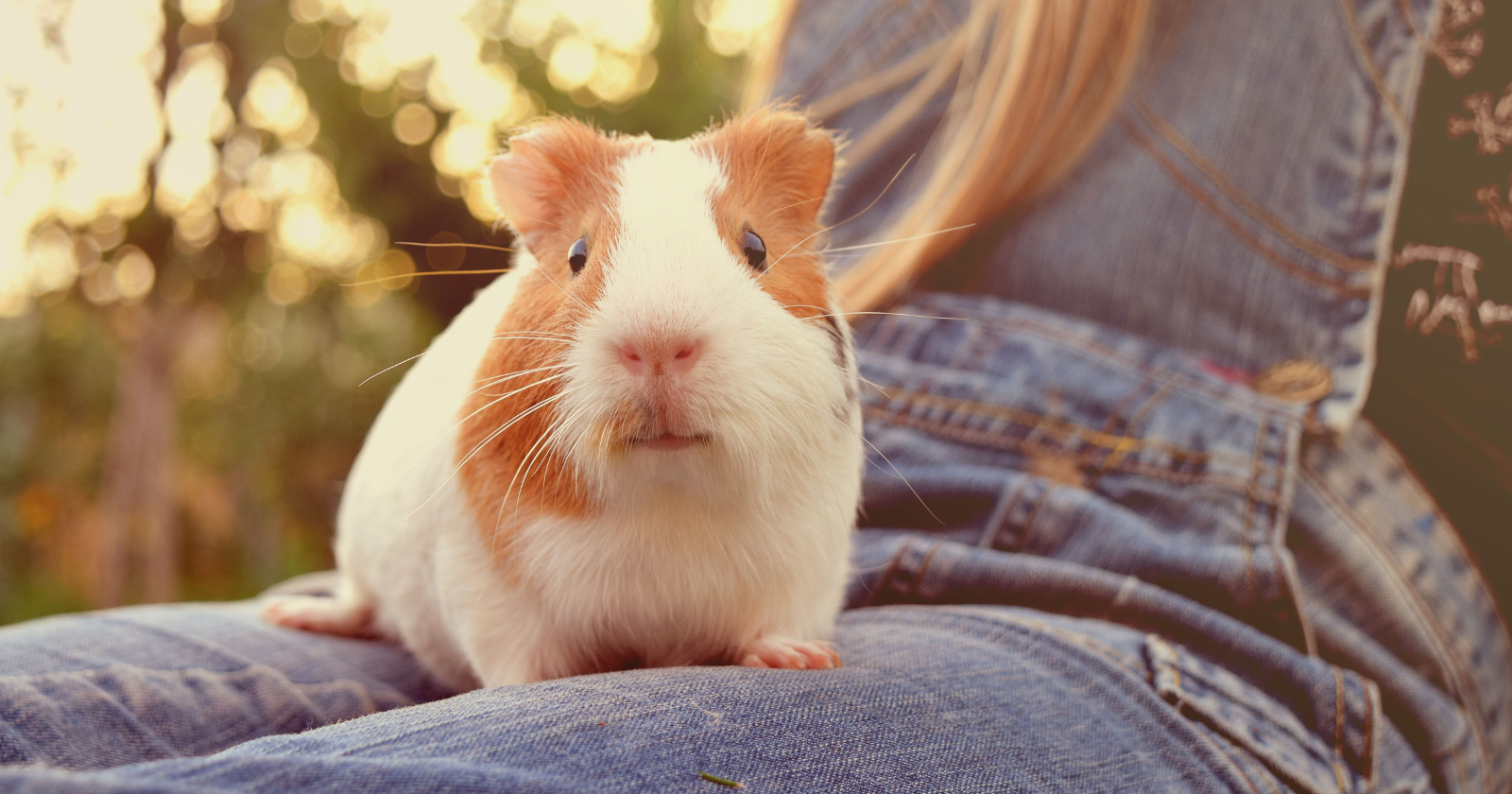

Somewhere in Switzerland right now, there is almost certainly a household that is technically breaking the law, and the crime is a lonely guinea pig.
This is not an urban legend, though it circulates like one. Since September 2008, Swiss animal welfare law has required that guinea pigs be kept in groups of at least two. Own one on its own and, in the eyes of the Swiss state, you are mistreating it, no matter how much you love it, talk to it, or let it roam the living room. To a guinea pig, the law reasons, a human is no substitute for another guinea pig.
The 182-page rulebook for animal happiness
The guinea pig rule is one line in a much bigger document. In 2008 Switzerland brought in a sweeping Animal Protection Ordinance, running to 182 pages, that set minimum standards for the keeping of virtually every animal a Swiss citizen might own, from cattle to canaries. Its guiding idea was ahead of its time: welfare is not just food, water and space, but the animal’s social and psychological needs, written into law as precisely as cage dimensions.
For social species, that meant company became mandatory. Guinea pigs made the list because they are herd animals through and through, creatures that in the wild live in groups, and in captivity groom each other, chatter constantly, and visibly wilt without a companion, showing the lethargy and hiding that researchers read as distress. And the pigs are not alone on the list. The same ordinance requires company for mice, gerbils, chinchillas, degus, and a long roster of birds from parrots to canaries. Goldfish, being schooling fish, are also not to be kept solo. Cats escape the pairing rule, but the guidance expects them to at least have visual contact with other cats, a window with a view of the neighborhood’s prowlers.
The loophole problem: guinea pigs are mortal
Almost immediately, the law collided with actuarial reality. Conscientious Swiss owners bought their guinea pigs in pairs, exactly as required. But two animals almost never die on the same day, even littermates of identical age. Sooner or later every law-abiding household ends up holding one bereaved guinea pig, at which point the owner faces a genuinely strange choice.
Buy a young replacement, and the cycle never ends: when the older animal dies, the young one is alone, so you buy another, and you are now running a perpetual guinea pig relay you never signed up for. Refuse, and your grieving pet makes you an animal-welfare violation with fur.
Enter the rental pig
The gap in the market was spotted by Priska Küng, a lifelong breeder in the village of Hadlikon, half an hour from Zürich, who lives with dozens of guinea pigs and runs what amounts to a matchmaking and rental agency for the bereaved. Owners whose surviving pig is elderly can lease a companion, typically an older animal of hers, to see their pet through its twilight years. She takes a deposit, around 50 Swiss francs for a castrated male, 60 for a female, and refunds half when the animal comes back. If the rental pig outlives its companion, it returns to her herd rather than leaving another human with another illegal singleton.
The service, she has said, exists precisely because the animals hardly ever die at the same time, and demand has been steady since the ordinance came in. It is also trickier than it sounds. Guinea pigs are picky about roommates: a boisterous youngster can torment a sedate five-year-old, so pairings are matched by temperament and age, less like pet-sitting than like a retirement-home introduction.
Silly law, serious idea
It is easy to file all this under charming Swiss eccentricity, alongside the fondue etiquette and the punctual trains, and plenty of headlines have. But the principle underneath is one animal scientists broadly endorse: for genuinely social species, solitary confinement is a welfare problem, not a lifestyle choice, and the pet trade spent decades selling herd animals one at a time to children. Rabbit and rodent welfare groups across Europe now push the same at-least-two guidance Switzerland wrote into law, and Sweden and Austria have their own social-housing requirements for companion animals.
Enforcement, it should be said, is gentle. Swiss authorities are not raiding apartments counting rodents; the rule surfaces mainly through vets, shelters and breeders, who simply decline to hand over a single animal. The real mechanism is cultural: the law announced what a guinea pig is, a herd animal, and the country adjusted around the fact, down to inventing a rental market for companionship itself.
Which may be the most Swiss detail of all. Faced with a legal requirement for friendship and the inconvenient mortality of rodents, the national response was not to soften the law. It was to build a business that leases the friend.