
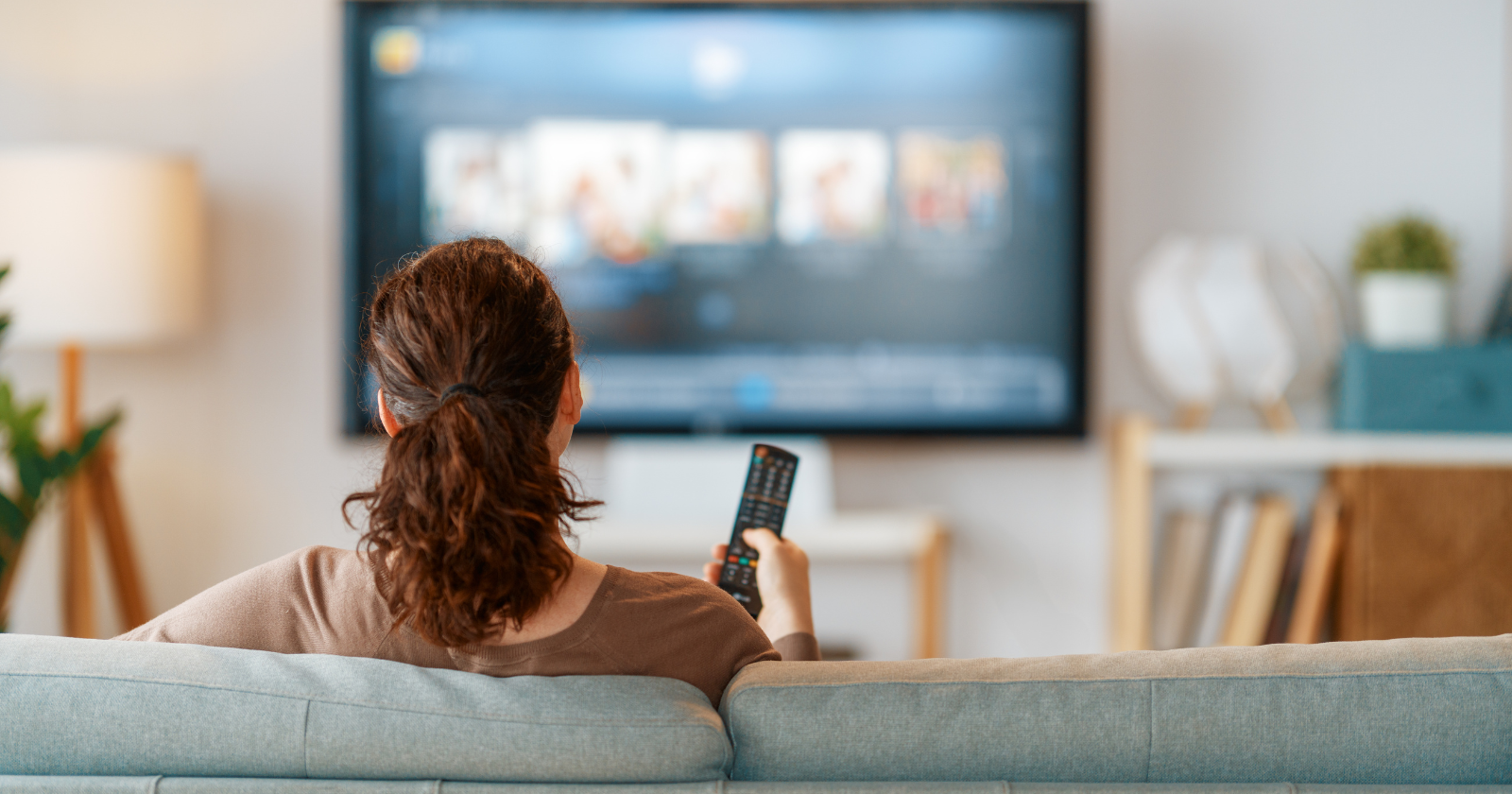

The first thing I used to do when I got back to my flat in London was switch on the telly. Not to watch it. I would walk straight past, put the kettle on, sort the post, and leave it talking away to a room with nobody in it.
I did the same in New York. I still do a version of it in Bangkok, except now it is a podcast on a kitchen speaker while I cook, which is the same trick wearing better clothes.
For years I assumed this meant something a bit sad about me. It turns out it makes me fairly ordinary, and the reason is more interesting than “he was lonely”.
What the research actually found
In 2009, three psychologists ran a set of studies on what they named the social surrogacy hypothesis. Plain English version: everyday technology can hand us the feeling of belonging even when the real thing is out of reach.
Their first study, with 701 students, found people reached for a favourite programme when they felt lonely, and felt less lonely while it played. A later experiment asked participants to recall a row with someone close, then to write about television. Given a favourite show, they wrote for far longer than when given one they didn’t care about. A knock to belonging sent people burrowing into the programmes they were attached to.
The noise had to be specific. It had to be a show full of people the viewer felt they knew, which is the shape of a parasocial relationship: one-sided, entirely imaginary, and somehow still comforting.
The researchers were careful. One of them warned that turning your back on family and friends for the solace of the box can leave you with fewer resources over time, while allowing that for anyone whose circumstances make company hard to come by, manufactured belonging offers real comfort.
A house needs to sound occupied
Here is the bit I think gets skipped over. Most people running the television in an empty house are not watching it. Ask them what happened in the episode and you will get a shrug.
What they have done is change how the building sounds. An empty house has a sound of its own, full of small mechanical noises you never notice when someone else is home, and it reminds you every few minutes of exactly how many people are in it. Voices mean the room is in use. Your brain stops running the tally and lets you unpack the shopping.
I noticed this hardest after I sold my restaurants. Years in rooms built to be loud, kitchens barking orders, service in full flight. Then a working day at a desk in total silence. The telly went on at four in the afternoon and stayed on. I told myself it was for the news. It wasn’t for the news.
Why it is always a rerun
Watch what people actually put on. Almost never something new. It is the sitcom they have seen nine times, the cooking show, the football highlights from a match whose score they know.
Familiar material asks nothing of you. No plot to track, no surprises, no risk of something upsetting turning up at half seven on a Tuesday. You get the warmth of company without the admin of company, and nobody in there will ask how the job hunt is going.
Honestly, I would rather someone do that than sit in a hard silence stewing. It is worth knowing what it is, though. It works well enough to run for years without you noticing you’ve stopped ringing anyone.
Where it starts costing you
Two places, mostly.
The first is sleep. Dropping off to the screen comes with a fairly consistent bill: light that interferes with melatonin, sound your brain half-processes all night, and bedtimes that drift because there is always one more episode. Sleep specialists broadly agree it helps you nod off, then quietly taxes the quality of what follows.
The second is subtler. A small dose of belonging keeps the hunger manageable, and manageable hunger is easy to sit with for years. If the flat sounds occupied every night, the friend you keep meaning to ring stays unrung.
What I do about it now
I still do it, and I’m not going to pretend otherwise. Two adjustments helped.
I moved from screen to speaker. Radio, podcasts, a talk show burbling away while I cook. Same voices, less of the light, and it stays out of the bedroom.
Then I started using it as a gauge. Three evenings of background chatter in a row is my cue to book something with an actual human in it. Coffee, a walk, a phone call to my grandmother where I mostly listen.
The noise is not the problem. Wanting your home to sound like somewhere a person lives is one of the more reasonable things a human can want. Just make sure some of the voices belong to someone who can hear you back.