
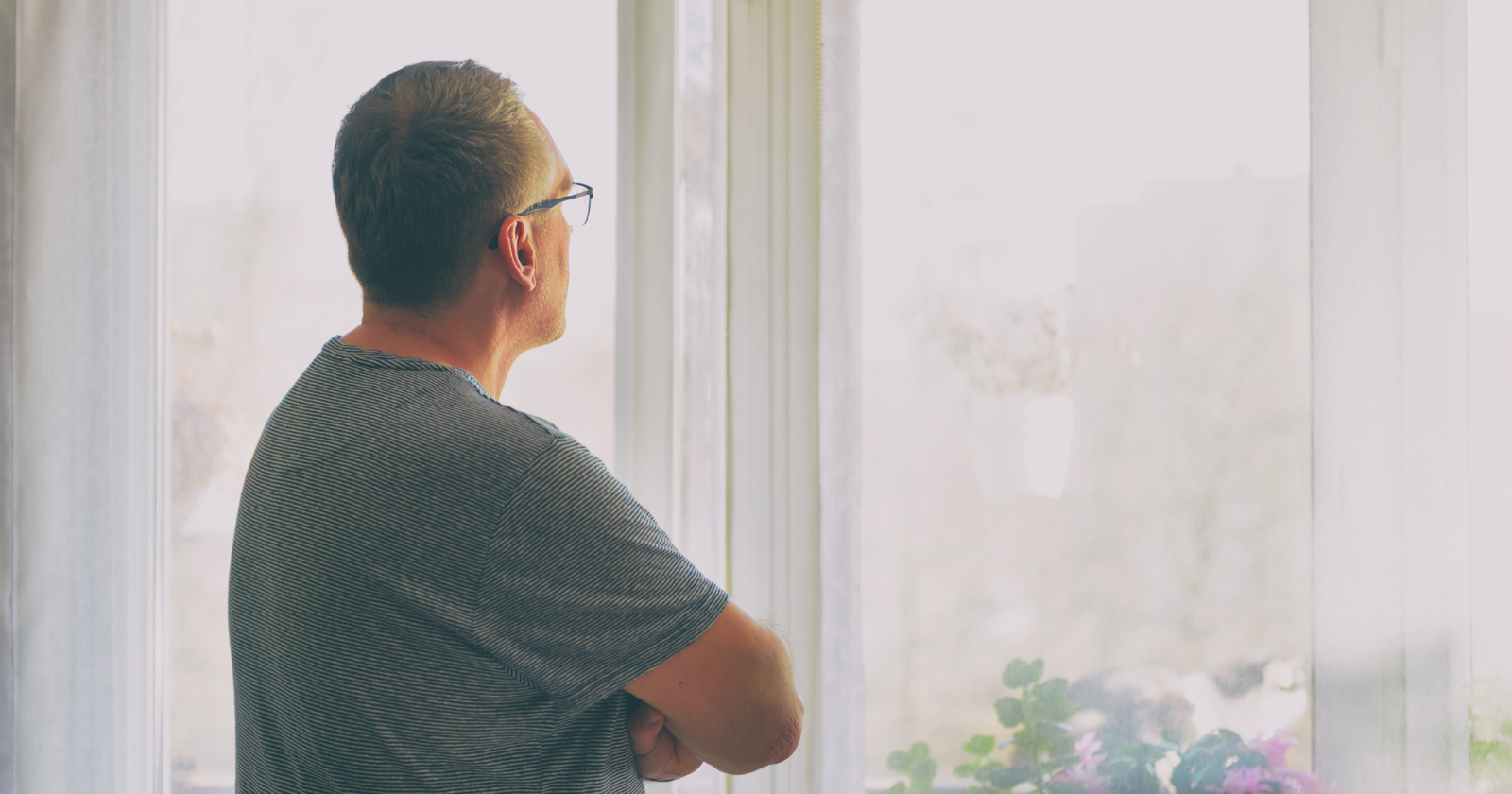

I cancelled on three people last month and felt nothing but relief. No guilt, no spiral, no 4am audit of whether I’d damaged a friendship. Just a quiet flat, a bowl of noodles, and the very pleasant sensation of nobody needing anything from me.
Ten years ago that would have worried me. I ran restaurants back then, which meant fourteen hours a day standing inside other people’s moods. Being alone was what happened when something had gone wrong.
Now it’s the appointment I refuse to move.
There’s a surprisingly good pile of research on what that shift actually is. What it turns out to be is stranger than the stereotype, and harder to come by.
Most of us are genuinely terrible at this
Before we romanticise solitude, a reality check. Timothy Wilson and his colleagues ran eleven studies where people were left in a room with nothing to do but think for six to fifteen minutes. Most of them hated it. In one version, a number of participants chose to give themselves a mild electric shock that they had earlier said they would pay money to avoid.
Fair warning about that famous finding: the majority never pressed the button. But a stubborn minority did, some of them more than once, rather than sit with fifteen minutes of their own thinking.
Fifteen minutes with no phone and nothing to tidy. That is the entire ask, and it was enough to send some of them reaching for pain.
So when someone tells you they prefer their own company, they’re not describing a default setting. They’re describing something they built.
What actually changes when you get good at being alone
Here’s the mechanism, and it’s less mystical than the wellness crowd would like. In a set of studies out of Rochester, researchers found that time alone produces what they call a deactivation effect. Plain English: being by yourself turns down the loud emotions. Anxiety and anger drop. So does excitement and buzz. The needle moves toward the middle.
Which is exactly why solitude feels like nothing to people who aren’t used to it. They sit down expecting joy, get flatness instead, and conclude they’ve done it wrong.
The interesting bit came later in that same research. When people actively chose to be alone, the flatness read as relaxation and lower stress. When it was simply imposed on them, it didn’t. Same silence, completely different experience. Choice was the ingredient.
That is the fault line. Alone that you picked and alone that picked you are two different rooms with the same furniture. There is now a whole lab devoted to studying it, which tells you how much we misread the subject for decades.
It’s got nothing to do with being shy
This one surprised me. I’d always filed a taste for solitude under introversion, the way most people do.
But when researchers ran two diary studies tracking people’s daily experiences of time alone, introversion predicted nothing. Not whether people preferred being alone, not whether they enjoyed it. What did predict enjoying it was something psychologists call dispositional autonomy, which in normal language means acting from your own reasons rather than from pressure, guilt, or performance.
That flips the stereotype completely. The person happily alone on a Sunday has usually just got good at wanting what they actually want.
Some of the loudest, most gregarious people I know are like this. My old head chef could work a full dining room like a talk show host and then vanish for two days, and it never once looked like retreat.
There’s a word for missing your own company
Loneliness we all understand. The gap between the company you want and the company you get.
Canadian researchers coined a mirror image of it: aloneliness, meaning the bad feeling that comes from not getting enough time to yourself. They built a scale for it, with items along the lines of wishing you had more hours alone with your thoughts.
Their findings pointed somewhere useful. When they accounted for that dissatisfaction, simply liking solitude stopped looking like the problem it’s usually treated as. The distress was coming from the shortfall, not the preference.
Anyone with young kids, a shared office, or a household that never fully empties knows this feeling without having a name for it. You’re not antisocial. You’re overdrawn.
One question sorts the good quiet from the bad
I’ve written before about getting comfortable saying no to things. This is the other half of it, and here’s the test I use.
After a couple of hours by myself, do I come back to people warmer or more brittle?
Warmer means the solitude did its job. I’ve got patience again, I’m curious about someone else’s day, I can hear a complaint without flinching. Brittle means I wasn’t resting, I was avoiding, and hiding always costs more than it saves.
Two practical things follow from that.
Put it in the diary like it’s a meeting with someone important, because otherwise it becomes the first thing you sacrifice. Mine is early morning, before the motorbikes get serious about it.
And say what it is out loud. Not “I’m busy,” which invites negotiation, but “I need an hour or two to myself, I’ll be better company after.” People take that better than you’d expect. The ones who don’t have told you something worth knowing.
Because the peace isn’t in the silence itself. It’s in knowing you chose it, and that you’re coming back.