

Every retirement plan comes with a spreadsheet. There are columns for the pension, the mortgage, the private health cover, maybe a line item for the boat. What no spreadsheet has ever included is a column for who you eat lunch with on a wet Tuesday in March.
That blank column is the thing researchers who study ageing keep returning to. Savings matter. Blood pressure matters. But the strongest signal in the data is simpler than either: whether a person still has people who make them feel plugged into life.
What eighty years of data keeps pointing at
The Harvard Study of Adult Development started tracking 724 men in 1938 and never stopped. It now follows more than a thousand of their descendants. When researchers asked what predicted health at 80, the data pointed away from cholesterol. It pointed instead to how satisfied people were with their close relationships at 50. Robert Waldinger, who directs the study, boils eight decades of paperwork down to one line: good relationships keep us happier and healthier.
Worth being precise here: this is a pattern spotted inside an observational study, not proof that patching up one friendship will spare anyone a stent. It is no reason to skip the statins because dinner went well, either.
The mortality numbers, though, are hard to shrug off. A meta-analysis pooling 148 studies and more than 300,000 people found that those with stronger social relationships had a 50 per cent better chance of surviving the follow-up period. The size of that effect sat alongside quitting smoking and ahead of obesity and physical inactivity. The World Health Organization now treats loneliness as a public health threat like any other, linking it to roughly 871,000 deaths a year, about a hundred an hour. Isolation may touch as many as one in three older adults.
Retirement is exactly when that abstract risk turns personal.
Retirement quietly removes the friends you never had to schedule
Here is the part that catches people off guard: leaving work rarely costs you your best friend. It costs you the loose layer underneath.
Finnish researchers tracked 2,319 workers through the retirement transition and counted their ties in three circles: an inner circle of the closest people, a middle circle, and an outer circle of everyone else who mattered a bit to them. Before retirement, the average person had about 22 ties in total, 9 of them in that outer circle. Across the transition, the outer circle shrank, then stopped, which tells you the loss came from leaving work rather than from ageing. The inner and middle circles held steady.
Sounds like a soft loss. It is not. That peripheral layer is the raw material for everything else. The colleague you never planned to like. The supplier who turned into a friend. The person two desks over whose kid was the same age as yours. None of it needed a single text message. You were already in the same building anyway.
Retire, and the building goes.
A separate American analysis found that more than half of the drop in reported physical health after retirement could be linked to that shrinking network.
Friends do a job family cannot
The usual assumption is that family will cover the gap. Grandchildren, Sunday lunches, the group chat. The research is less confident about that.
One study drew on 271,053 people across nearly 100 countries and a separate sample of 7,481 older Americans. Both family and friendship were tied to better health and happiness overall, but at advanced ages only friendship stayed a strong predictor. The proposed reason is unglamorous and convincing: friendship is optional. Nobody keeps a friend out of duty for forty years. Family gatherings can be lovely and can also be an admin meeting with cake. Friends are the people you chose repeatedly, and by 70 the ones still standing have passed a brutal filter.
The hours no brochure mentions
Making a new friend has a price, and it is measured in time. Research from the University of Kansas put the transition from acquaintance to casual friend at around 50 hours together, roughly 80 to 100 hours to become an actual friend, and north of 200 hours for the close variety.
The awkward detail is what kind of hours count. Time spent working alongside someone did almost nothing. Joking around, catching up, having the sort of conversation you would never have in a meeting: that is what moves a friendship forward.
Free time arrives in vast quantities. The structure that used to fill it does not.
How to plan for the column that is not on the spreadsheet
Build a recurring thing rather than issuing open invitations. Same day, same place, no negotiation. Standing arrangements survive; “we must catch up soon” never does.
Anchor the recurring slot with an activity, not just conversation. Walking groups, a badminton ladder, a class, a weekly market run. Shared activity gives two people a reason to be somewhere together, which is how the hours add up.
Aim for two or three, not twenty. Depth is doing the work in this research, not headcount.
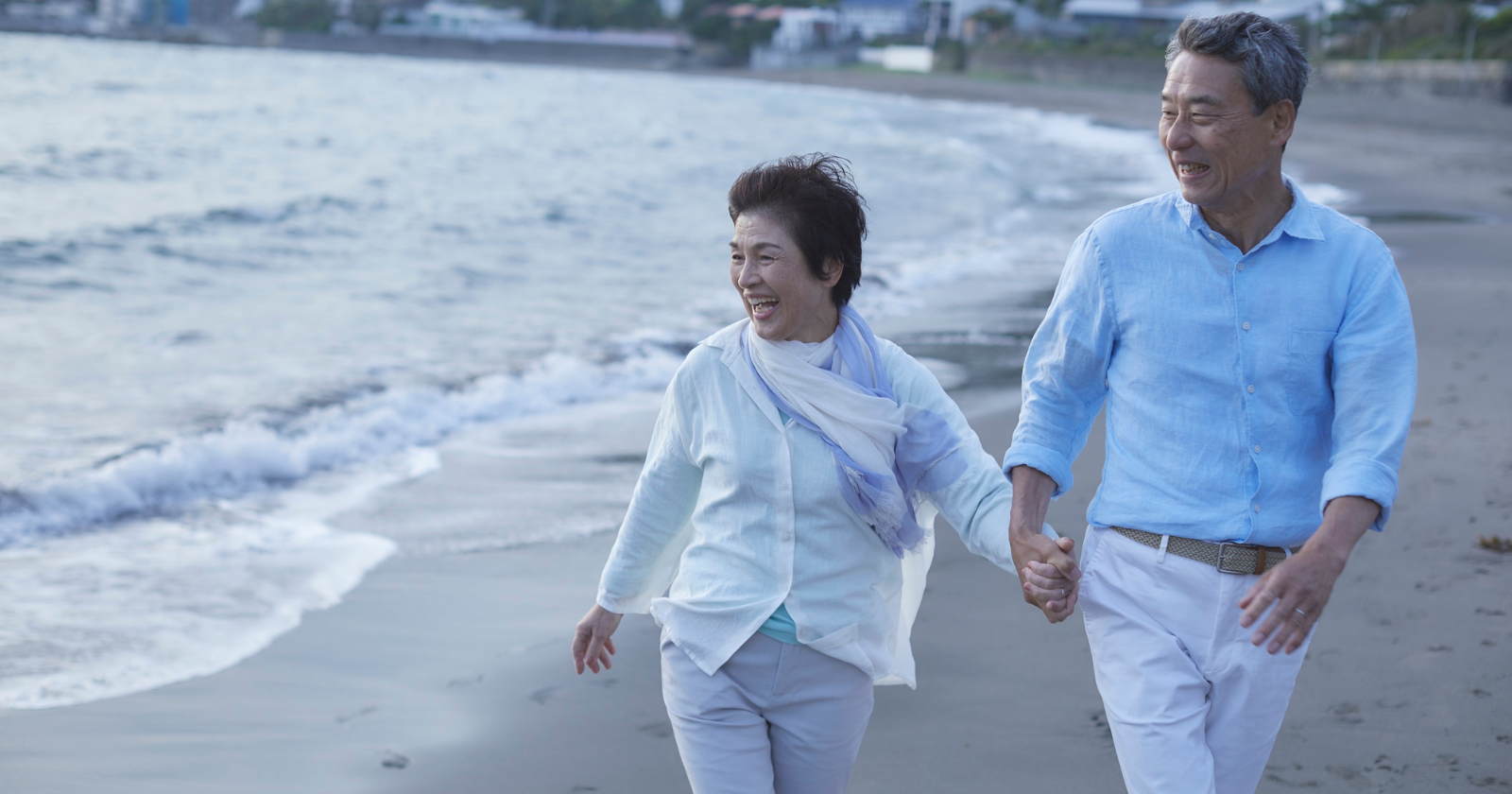
Think twice before relocating somewhere that cuts you off from your people, unless there is a real plan for replacing them. A sea view is worth less than a neighbour who notices when the curtains stay shut.
Waldinger’s own framing is the useful one. Treat relationships the way you treat your body: something that needs regular attention rather than something that simply happens to you. Nobody expects to stay fit on a gym membership bought in 2009. Friendship works the same way. It responds to turning up.