
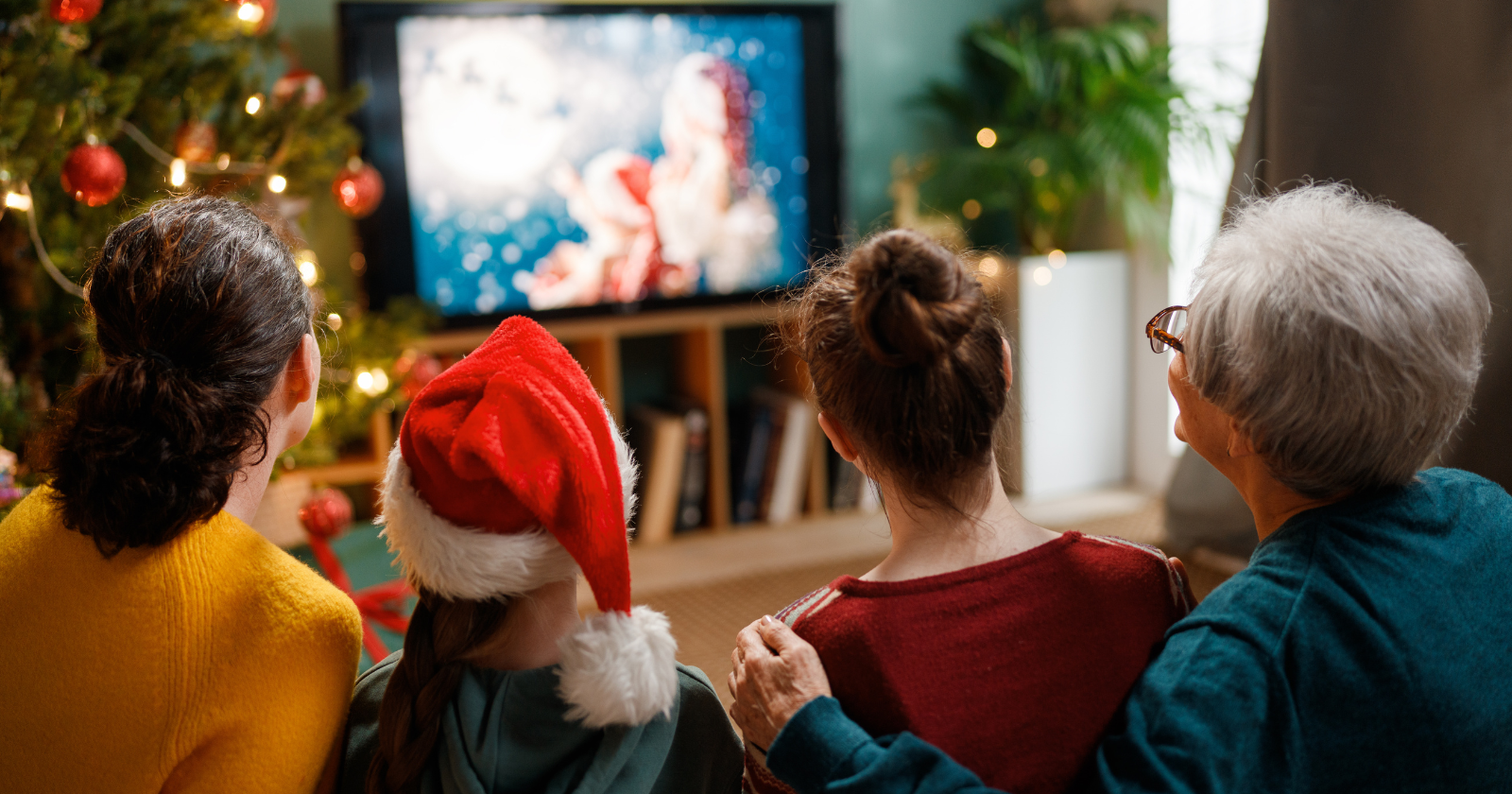
On Christmas Eve, just after three in the afternoon, roughly a third of Sweden sits down in front of the same television special. Not a different one each year. The same one. A Disney anthology from 1958 that most of the audience has now seen dozens of times.
In 2024, 3.089 million people watched. In 2017 the broadcast pulled 3.8 million viewers, nearly 40 percent of the population. The record, set in 1997, was just over half the country.
To an outsider this is baffling. To Sweden it is simply what you do at 3 p.m. on December 24th. The show is known there as Kalle Anka och hans vänner önskar God Jul, which means Donald Duck and his friends wishing you a merry Christmas. Most people just call it Kalle Anka.
And the reasons this habit took root, then refused to die, tell you more about how television used to work than about the cartoon itself.
What Kalle Anka actually is
The first surprise: it is barely a Christmas show. The special is the Swedish version of Disney’s From All of Us to All of You, a television anthology that first aired on American television in 1958. Jiminy Cricket hosts.
It’s essentially a clip show, a string of Disney shorts and film excerpts pulled from across the studio’s back catalogue. Only a couple of the segments have anything to do with Christmas.
So the thing at the center of this ritual is not a story people are gripped by. It is a familiar reel of old animation, with some changes over the decades, that Swedes watch not to find out what happens but because watching it is the point. Lena Kättström Höök, a curator at the Nordic Museum in Stockholm, put it in terms that fit the mood better than any ratings figure. Kalle Anka, she says, “is almost like gathering around the fire in old times and listening to fairy tales.”
One channel, and almost nothing else on the dial
The habit didn’t form because the cartoon was irresistible. It formed in a television world with almost no choice. When the special began its Swedish Christmas Eve run in 1960, Sweden had a single television channel. A second channel did not launch until 1969. At the time, the special was also one of the relatively few opportunities to see American animation on Swedish television. If you wanted Disney cartoons, this was an unusually important window.
Charlotte Hagström, an ethnology professor at Lund University, argues the timing was everything. In her account, “You couldn’t have done this in 1970. It had to be 1960 when television was new.” A ritual like this benefited from a captive audience and a shared novelty, and a country with one channel supplied both.
The strange afterlife of a habit born of scarcity
Sweden now has countless channels, streaming services, and every distraction the rest of the world has. The scarcity that helped create the ritual is long gone. Yet the ritual survives.
More than three million people still watched in 2024, making it one of the year’s most-watched television broadcasts.
Kättström Höök captures the spell of it. As she describes it, “At 3 o’clock in the afternoon, you can’t do anything else, because Sweden is closed.” She means it as a figure of speech about how completely the day narrows to one point, not a literal shutdown, but the exaggeration lands because it’s close to how it feels.
What scarcity accidentally built was a shared clock, one moment when a whole country is doing the same small thing at the same time, and that turns out to be far harder to give up than a lack of alternatives ever was. The old animation is the excuse. The fixed hour is the tradition.
Sweden kept the appointment long after it stopped needing to, because knowing that millions of other people are sitting down at exactly the same minute is a rare and comforting thing, and no number of channels has managed to replace it.