
Somewhere in an HBO screening room in 2009, a group of people who had already spent months and a considerable amount of money making a fantasy pilot sat and watched a friend of the creators deliver a verdict in five words. According to accounts of the screening, screenwriter Craig Mazin turned to David Benioff and D.B. Weiss and told them plainly: “You guys have a massive problem.” He wasn’t being unkind. He was being accurate. Almost none of what would eventually make Game of Thrones one of the most successful shows in television history was working yet, and the version of the pilot sitting on the table that day never aired anywhere. Mazin wasn’t some random outside voice, either — he was a working screenwriter whose opinion the creators trusted enough to screen the cut for him before anyone at HBO signed off on it, which is exactly why his verdict landed as hard as it did.
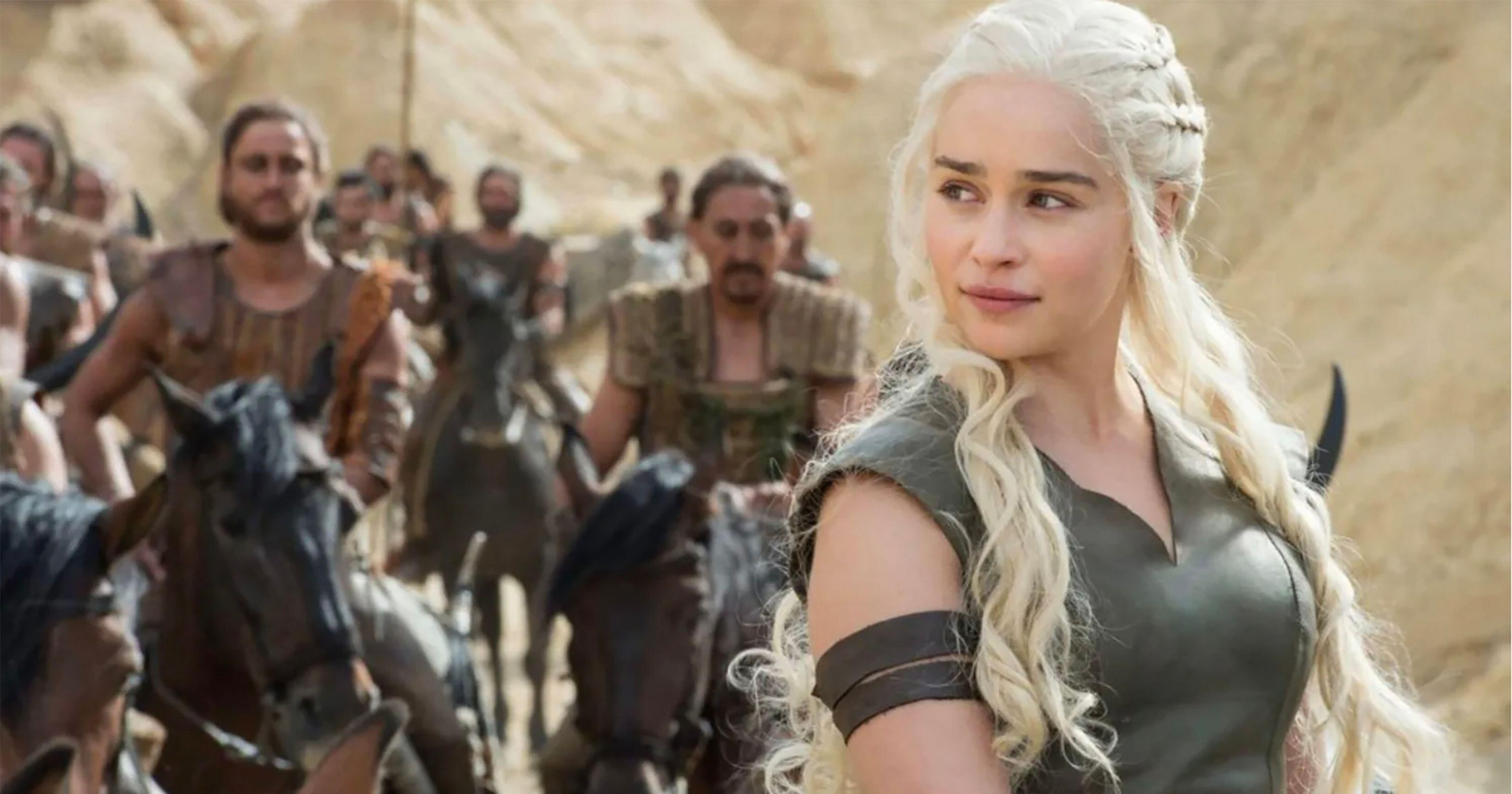
What happened next involved a near-total reshoot, a new director, at least two recast leading roles, and one specific casting change that, in hindsight, is close to unimaginable: the actress hired to play Daenerys Targaryen wasn’t Emilia Clarke at all.
A story nobody in the room could follow
The core problem with the original pilot, directed by Tom McCarthy, wasn’t a single bad scene. It was that the show’s dense web of family relationships and political alliances simply hadn’t been made legible to a first-time viewer. Benioff has since described the exact moment the failure became undeniable to him: friends watching the cut had no idea that Jaime and Cersei Lannister were siblings, a fact that sits underneath one of the show’s most infamous scenes and one of its most important ongoing storylines. As Benioff put it afterward, that was “a major, major plot point that we had somehow failed to establish.” If an audience couldn’t track that, nothing built on top of it in later seasons was going to land either.
HBO’s response wasn’t to tweak the edit. According to reporting on the overhaul, the network brought in a new director, Tim Van Patten, reworked the scripts to cut down on exposition, and reshot roughly 90 percent of the episode before it ever reached a single home viewer. Almost none of what test audiences originally saw made it to air.
The actress who almost played Daenerys
Buried inside that reshoot was a casting change that would end up mattering more than almost any other decision made on the show. Tamzin Merchant had originally been cast as Daenerys Targaryen, the last surviving heir of a deposed dynasty who begins the story as a frightened teenager traded into a political marriage. According to reporting on the recasting, producers ultimately felt that Merchant’s take on the character wasn’t landing, and that the chemistry between her and Jason Momoa’s Khal Drogo — a relationship the entire first season’s emotional arc depends on — wasn’t there either.
Merchant was let go, and an almost entirely unknown actress named Emilia Clarke was brought in to replace her, despite looking notably different from the description in George R.R. Martin’s novels. Clarke went on to play the role for eight seasons, across a performance arc that took Daenerys from a frightened teenage bride to, depending on which finale conversation you wander into online, either a liberator or a tragedy. Whichever side of that debate a viewer lands on, Clarke’s performance became one of the most recognizable in modern television, and by the show’s end she was arguably its single most internationally famous cast member.
Nobody outside the production was ever meant to find out that the show’s most famous face was a mid-crisis substitution.
She wasn’t the only one swapped out
Daenerys wasn’t the only major recast buried in that reshoot. Jennifer Ehle, who had originally played Catelyn Stark, left the production for reasons that had nothing to do with her performance — she had a seven-month-old daughter at home and, by her own account, needed to be with her rather than continue filming. Michelle Fairley was brought in to replace her after impressing the producers with a stage performance as Lady Macbeth, and the character was reportedly reworked to be somewhat more sympathetic in the process.
Two of the show’s most important early female roles, in other words, were both being recast at the exact same moment, for entirely different reasons, inside a production most viewers would later assume had been confidently cast from day one.
The rescue that made the show possible
The reshot pilot, once finished, was a different proposition entirely. Mazin, the same friend who’d delivered the original hard truth, watched the reworked premiere and offered a very different verdict this time, calling it, according to the same account of the production, “the biggest rescue in Hollywood history.” That might read as an exaggeration for a single reshot pilot episode, until you consider what it was actually rescuing: a show that would go on to run for eight seasons, win dozens of Emmys, and become one of the most-watched, most-discussed series in the history of the medium, one that HBO is still trying to extend two decades later with House of the Dragon.
What almost never got the chance to happen
It’s strange to sit with how close the version most people know never existed at all. A different actress plays Daenerys. A confusing, poorly received pilot airs instead of a reshot one, and the show gets quietly cancelled after a single unimpressive season, the way most expensive HBO experiments that don’t connect with audiences tend to. The eight-season run doesn’t happen. The cultural conversation, the finale arguments, the spinoffs — none of that happens either. Somewhere in an editing room in 2009, a friend telling two showrunners the blunt truth about a massive problem turned out to be the single most important note the show ever received.