
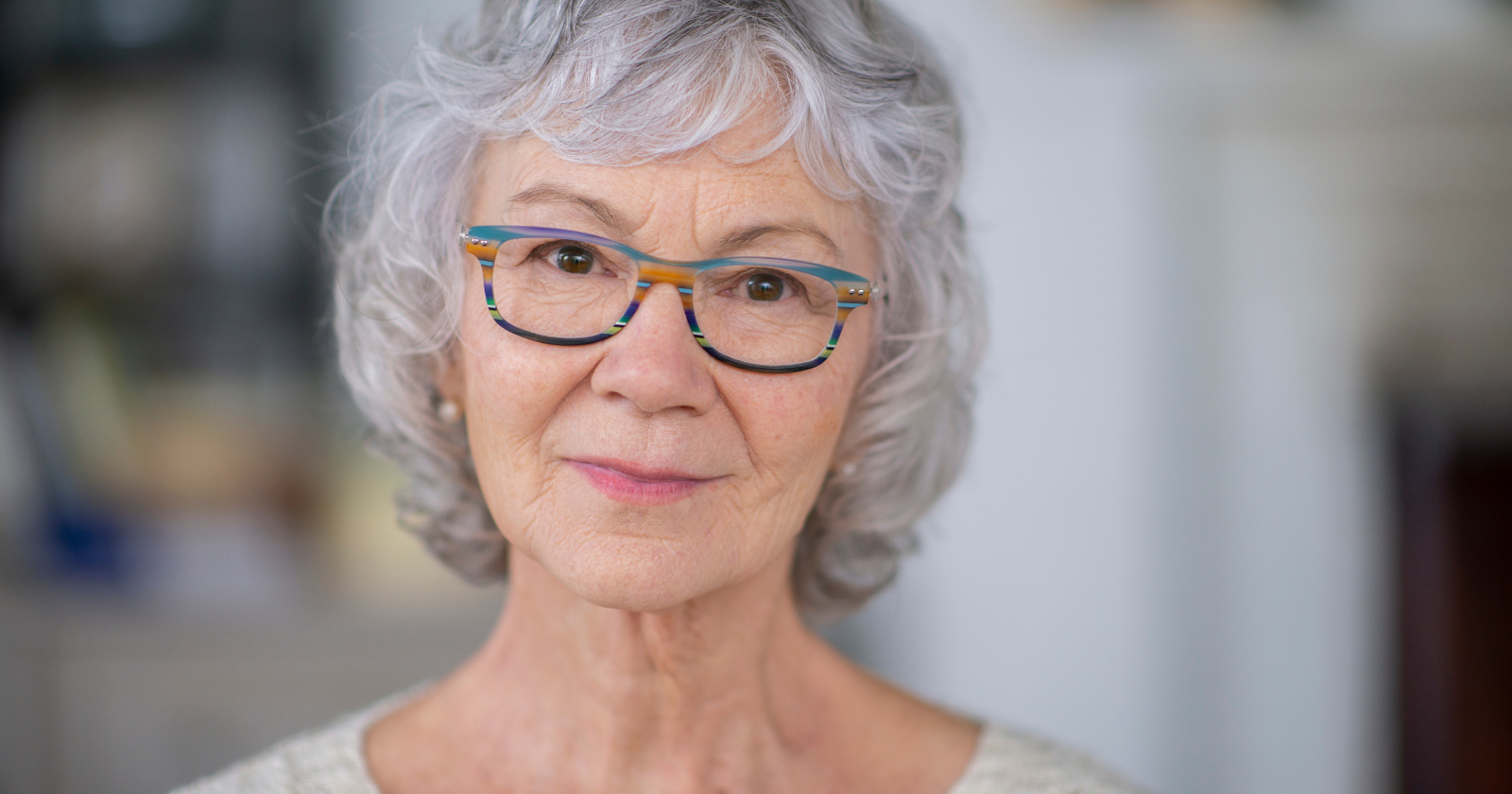
Somewhere in most families there’s a relative in her late sixties who waves off the number on her ID card. She’ll tell you, without much drama, that she feels fifty-two, maybe fifty-three on a bad week, and everyone nods politely and assumes it’s the usual bit of flattering self-deception people perform about their own age. A large body of psychological research on subjective age says otherwise. She likely isn’t fooling herself. She may be reporting something closer to a real, measurable generational shift.
The clearest evidence for this comes from the German Ageing Survey, a nationally representative study that has been asking the same cohort of adults, repeatedly, over decades, how old they feel versus how old they actually are. Analyzing data from nearly 15,000 people aged 40 to 85, the psychologists Markus Wettstein, Hans-Werner Wahl, Johanna Drewelies, Susanne Wurm, Oliver Huxhold, Nilam Ram and Denis Gerstorf sorted respondents into three birth cohorts spanning 1911 to 1974 and compared how each group experienced its own aging, published in 2023 in Psychological Science.
Two per cent younger, every ten years of birth
The pattern that emerged wasn’t subtle. At the same chronological age, people born later consistently reported feeling younger than people born earlier had, at that identical age, decades before. The researchers put a number on the drift: each successive birth decade felt roughly two per cent younger, on average, than the one before it. Stack that effect across the roughly six decades of birth years the study spans, from 1911 to 1974, and it compounds into a gap far too large to dismiss as noise. It’s a trend, and it moves in a consistent direction across an entire twentieth century’s worth of German adults.
None of this tracks a person getting younger. It tracks a shifting relationship between a number and how a person experiences carrying it, and that relationship has apparently been loosening, generation by generation, in a fairly orderly way.
The part that surprised the researchers
What makes the finding more than a curiosity about self-flattery is what happened as each cohort actually aged. The team had expected the “feeling younger” gap to narrow as people got older — the assumption being that reality eventually catches up with self-perception, the way it seems to for most of us at some point. Instead, the later-born cohorts held onto their youthful self-perception more consistently as they aged than earlier-born cohorts had. Researchers describe this as a slower “subjective aging rate” — the pace at which a person’s felt age creeps toward their real one over time. In the later-born cohorts, that creep was measurably slower, and the effect persisted even among people in their eighties and nineties, an age range where the assumption of settling into an accurate self-estimate would seem most reasonable.
The gap between a birth certificate and a felt age isn’t shrinking as later generations get older. If anything, it’s holding steadier than it did for the generation before them.
What’s likely driving it
The study didn’t isolate one single cause, and the researchers were careful not to claim it had, but the pattern held even after accounting for differences in health, education, gender and loneliness across the cohorts, which rules out the simplest explanation — that people just feel younger because they’re objectively healthier than their parents were at the same age. Something broader appears to be shifting alongside physical health: cultural expectations of what a given age is supposed to look like, extended working lives, later markers of what counts as “settling down,” and a steadily rising bar for what “old” means in everyday conversation, all likely play some part.
It’s worth being precise about what the research does and doesn’t support. Feeling eleven years younger than your driver’s license doesn’t slow your biology down, and subjective age isn’t a substitute for the medical realities that come with actual chronological age. What it does appear to shape is how people plan, socialize and describe themselves at a given age, which has its own knock-on effects worth taking seriously.
So the sixty-eight-year-old might be right
Which brings the argument back to that relative who insists, mildly and without apparent self-consciousness, that she feels fifty-two. If she was born into a later cohort than her own mother was, the data suggests she isn’t performing optimism for the room. She may be an accurate reporter of a documented generational pattern — one where the felt distance between a person and her own age has been quietly, measurably shrinking for the better part of a century, and shows no particular sign of correcting itself as she gets older.
The cohort figures describe an average trend line, not a ceiling on any one person’s experience, which is exactly why a sixteen-year gap like hers is entirely plausible even though it runs wider than the study’s own reported average for her generation.