
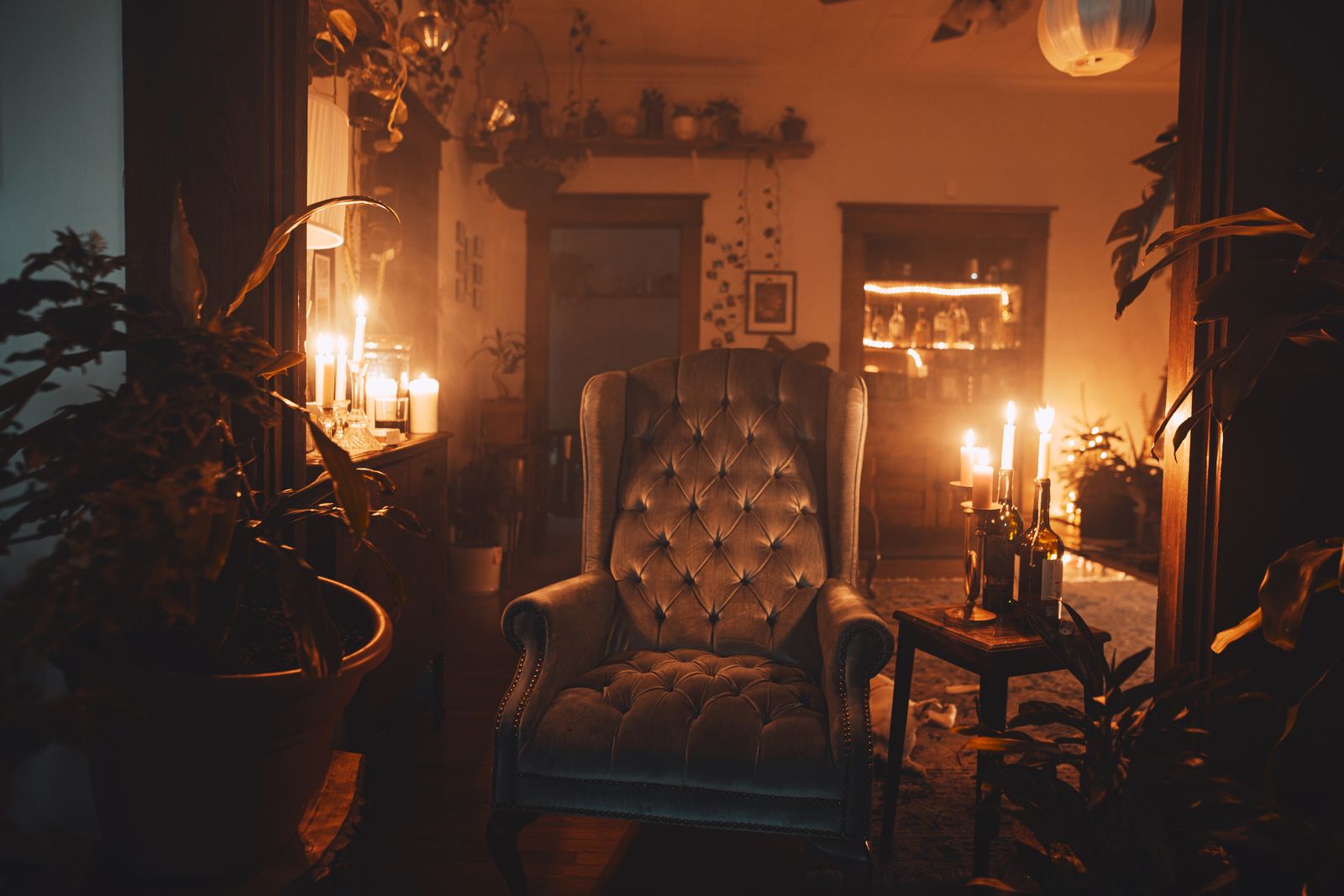

When Kari Leibowitz arrived in Tromsø as a U.S.-Norway Fulbright scholar, she expected the polar night to be something residents endured rather than enjoyed. Instead, she encountered people who talked about winter as a season with its own pleasures. The Guardian’s reporting on her time in Tromsø describes friends who struggled to understand why anyone would automatically dread winter.
Leibowitz later published research with Professor Joar Vittersø examining that difference in outlook. Their 2020 study of wintertime mindset and wellbeing in Norway surveyed 238 people in southern Norway, northern Norway, and Svalbard. A more positive wintertime mindset was associated with greater wellbeing, and people living further north tended to hold more positive attitudes toward winter.
That research supports a narrower point than the title of this article explores: winter is not experienced in the same way by everyone. The suggestion that a restorative first Nordic winter can also reveal something about the pace of someone’s previous life is an observational interpretation, not a finding Leibowitz and Vittersø directly tested. It is not medical or psychological advice, and seasonal affective disorder should not be reduced to a question of attitude.
The winter that was supposed to break them
People moving to Copenhagen, Oslo, Stockholm, or further north often arrive prepared for winter to be the difficult part. They have heard about the short days. They may have been warned that February will be miserable. Some have already started thinking about lamps, vitamin D, warmer clothes, and flights somewhere sunnier.
And then some discover that the season feels less oppressive than expected. Not because a Nordic winter is secretly mild, but because it removes a surprising number of decisions. Evenings become quieter. Social calendars thin out. Staying home stops feeling like something that needs an excuse.
For someone arriving from a life filled with commuting, late messages, crowded weekends, and the steady feeling of being behind, that reduction can feel like relief. The winter has not necessarily fixed anything. It has simply made a slower pace easier to accept.
What the mindset research actually says
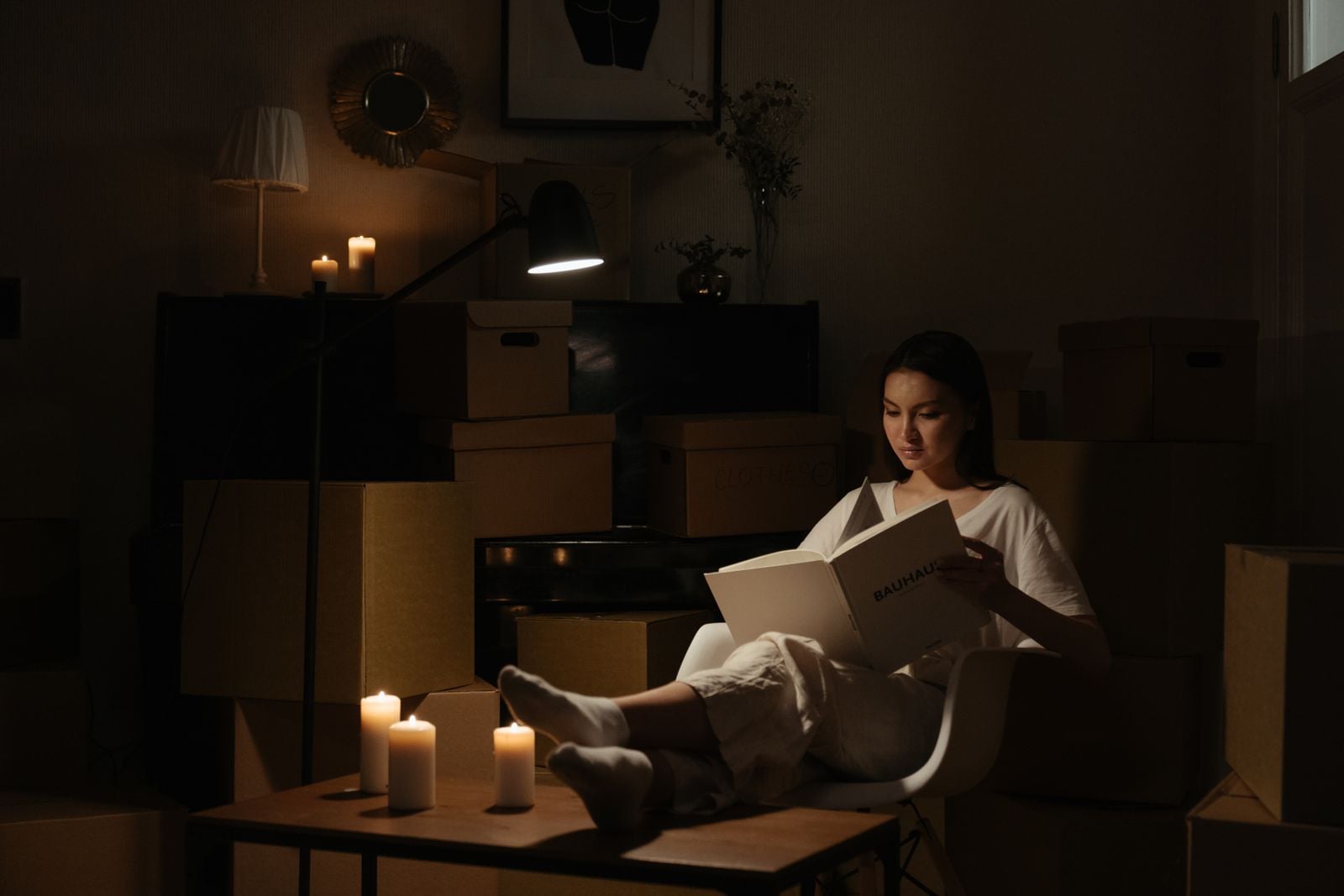
Leibowitz and Vittersø developed a Wintertime Mindset Scale to measure whether people tended to see winter as limiting or as a season containing things worth enjoying. Their study found correlations between a more positive wintertime mindset and measures including life satisfaction and positive emotions. The positive mindset was also stronger at higher latitudes.
The authors were careful about what those findings could prove. The research was cross-sectional, so it could not establish that a positive winter mindset caused greater wellbeing. It was also a study of residents in Norway and Svalbard, not a longitudinal study following newcomers through their first winter.
Still, the cultural element is useful. In a later NPR interview about her winter research, Leibowitz returned to the idea that extreme seasonal change encourages people to adjust how they live rather than trying to maintain exactly the same rhythm all year. That is a different proposition from pretending darkness has no downsides. It is an acknowledgment that the season changes the available shape of a day.
The lives people were living before
For newcomers who do experience the first winter as restorative, one explanation comes up repeatedly: the contrast with what came before.
Long commutes. Evening emails. A social calendar built partly from obligation. Weekends spent recovering from weekdays. The low, constant sense that there was something else that should be getting done. Against that background, a dark winter evening with nowhere particularly urgent to go can feel less like deprivation and more like permission.
That is an editorial observation rather than a measured newcomer profile. But it is also where the title’s premise becomes most interesting. A person does not have to believe that darkness is inherently good to notice that fewer invitations, fewer daylight hours, and fewer expectations can expose how crowded the previous version of life had become.
The social context can reinforce that feeling. Going home early is easier when other people are doing it too. Cooking slowly, walking after dark, reading in the afternoon, or declining another engagement can feel less like withdrawing from life and more like participating in the season.
What the darkness actually does to a day
The practical mechanics matter. In Copenhagen around the darkest part of December, sunrise comes after 8:30 in the morning and sunset arrives before 4pm. Further north, the difference is far more dramatic.
That does not mean sleep automatically improves. A large 2012 Tromsø Study examining winter, sleep, and mental distress included 8,951 respondents and found more sleeping problems in winter, while finding no significant seasonal difference in reported mental distress. The result is a useful corrective to simple stories in either direction: polar darkness is neither harmless for everyone nor a guaranteed route to winter misery.
For someone whose previous routine involved working late and starting again early, however, an evening that feels finished at five can still be welcome. The important distinction is between saying darkness biologically gives everyone better rest, which the evidence does not show, and saying that shorter days can make a slower evening routine feel more socially and psychologically permissible.
Why the contrast can fade after the first winter
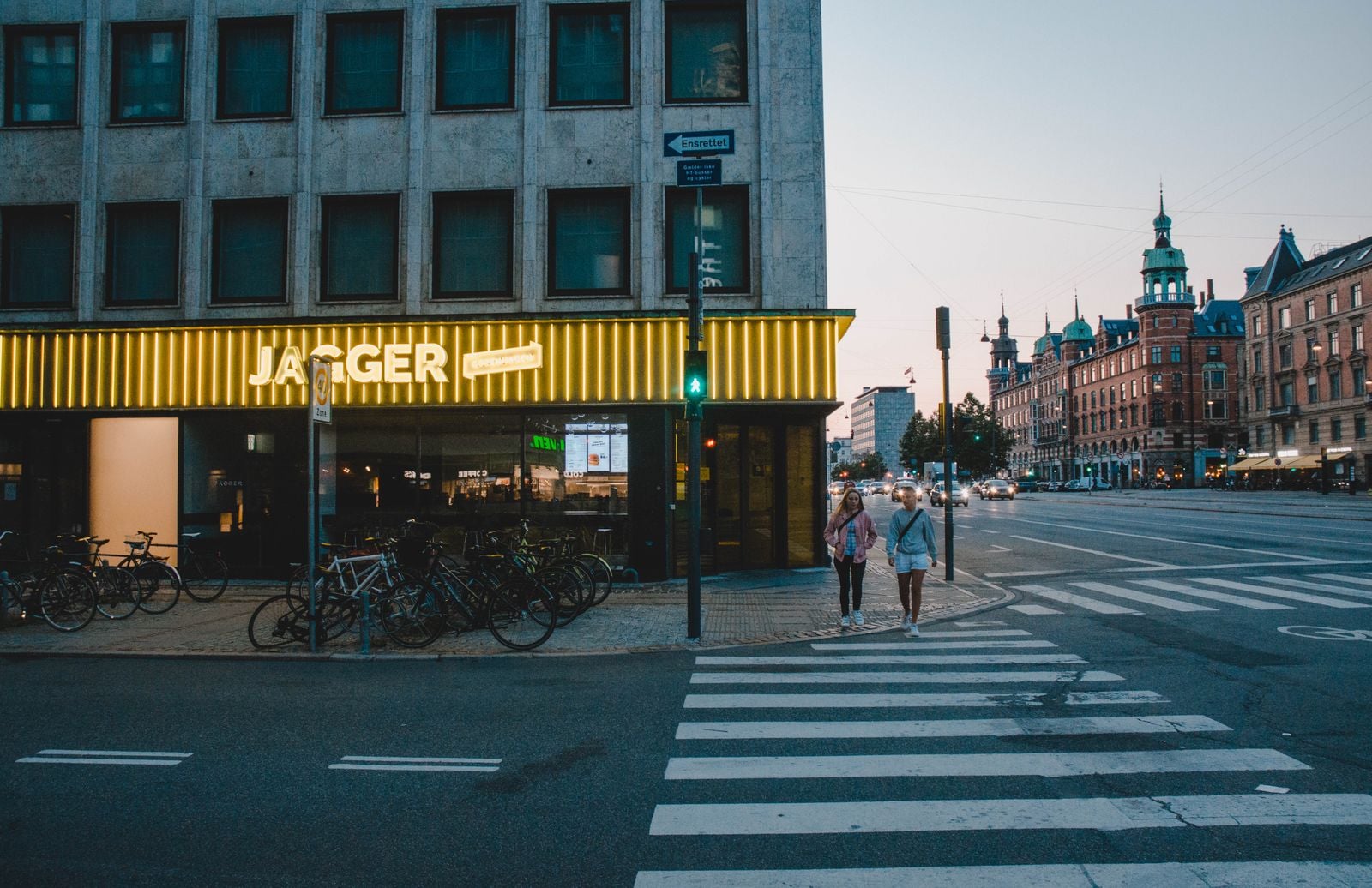
The first winter comes with a built-in comparison. Everything is measured against the place and routine that came before it. The early darkness is new. Staying home feels different. Even buying candles and walking through a city at four in the afternoon can carry the strange pleasure of discovering a new seasonal rhythm.
By the second or third winter, that contrast can fade. The darkness is no longer an interruption to an old life. It is simply part of the current one. There is no research cited here that tracks newcomers across several Nordic winters and proves a predictable second-year decline, so the distinction is better understood as an ordinary effect of familiarity rather than a psychological rule.
The more lasting question is whether anything from that first season survives the novelty. An earlier evening. A less crowded week. A long walk despite the dark. A meal that takes an hour rather than ten minutes. Those changes can remain useful even after winter stops feeling new.
What the restorative response is not
It is not evidence that Nordic winters are easy, and it is not evidence that someone struggling through one simply has the wrong attitude. National Geographic’s examination of seasonal affective disorder describes biological and circadian explanations being studied for the condition and makes clear that seasonal depression is a genuine clinical issue.
The restorative response points somewhere else. If someone arrives in a season famous for darkness and finds the reduction in activity unexpectedly relieving, that can be a clue about the amount of margin their previous life contained.
The darkness did not necessarily add something they were missing. It may simply have removed enough noise for them to notice what they had been missing already.
Which is why the more interesting question for the newcomer who finds themselves oddly well in their first Nordic January is not only what to do next winter. It is what, if anything, they want to carry back into the brighter months.