

The instruction to introverts is usually some version of “put yourself out there,” delivered with the confidence of someone who finds it easy. It tends to land badly, partly because it misdescribes the problem. Introversion is not a fear of people or a fault to be corrected. It is a preference for lower-key, less constant stimulation, and the useful question is not how to stop being an introvert but how to be more social without pretending to be someone else.
On that narrower question the research is more encouraging, and more honest, than the pep talk.
Introverts are bad at predicting their own enjoyment
Start with a quietly awkward finding. When researchers ask people to imagine acting outgoing, introverts expect it to feel worse than it turns out to feel.
In a series of studies published in the Journal of Personality and Social Psychology in 2013, John Zelenski and colleagues found that trait introverts underpredicted the enjoyment of behaving extravertedly. Asked to picture themselves being bold and talkative, they forecast more self-consciousness and unpleasant feeling than they actually reported when the moment arrived. Across the studies, people tended to enjoy acting extraverted regardless of their disposition. The introverts’ gloomier forecasts were, in the researchers’ terms, errors.
That matters because those forecasts are part of what keeps people at home. If you expect an evening out to be draining and awkward, you decline it, and you never collect the evidence that it might not have been.
But it is not free, and the difference is the point
The temptation is to stop there and tell introverts they will love socialising if they just try it. The fuller evidence resists that.
In a 2019 randomised controlled trial in the Journal of Experimental Psychology: General, Rowan Jacques-Hamilton, Jessie Sun and Luke Smillie asked people to act extraverted for a week, and compared them with a control group. Overall, the acting-extraverted group reported more positive feeling and a greater sense of authenticity. But the effect was not uniform. The more introverted participants gained less, and also reported more tiredness, more negative feeling, and, notably, a decreased sense of being true to themselves.
So both things are true at once. Introverts usually enjoy sociability more than they expect, and sustained sociability costs them more than it costs extraverts. Advice that ignores either half is selling something.
The workable model: act out of character, then recover
The psychologist Brian Little has a useful frame for this, which he calls free traits. His argument is that people can and do act against their natural disposition when something they care about calls for it. A committed introvert will happily give a lively talk, host a dinner, or work a room, if it serves a project or person that matters to them.
The catch, in Little’s account, is that acting out of character draws down a reserve, and it has to be topped up. He talks about needing a restorative niche, a return to quiet that lets you recover from the performance. On this view, the introvert who thrives socially is not the one who forces constant extraversion. It is the one who spends it deliberately on what is worth it and then reliably retreats to refill.
That reframes the goal. Becoming more social is less a matter of personality change than of design: choosing the occasions that earn the effort, and protecting the recovery time around them rather than feeling guilty about needing it.
A note from the north on what “social” means
It is also worth questioning the definition of social that introverts are being measured against, which is often a specifically Anglo-American one built on easy small talk. It is not the only model.
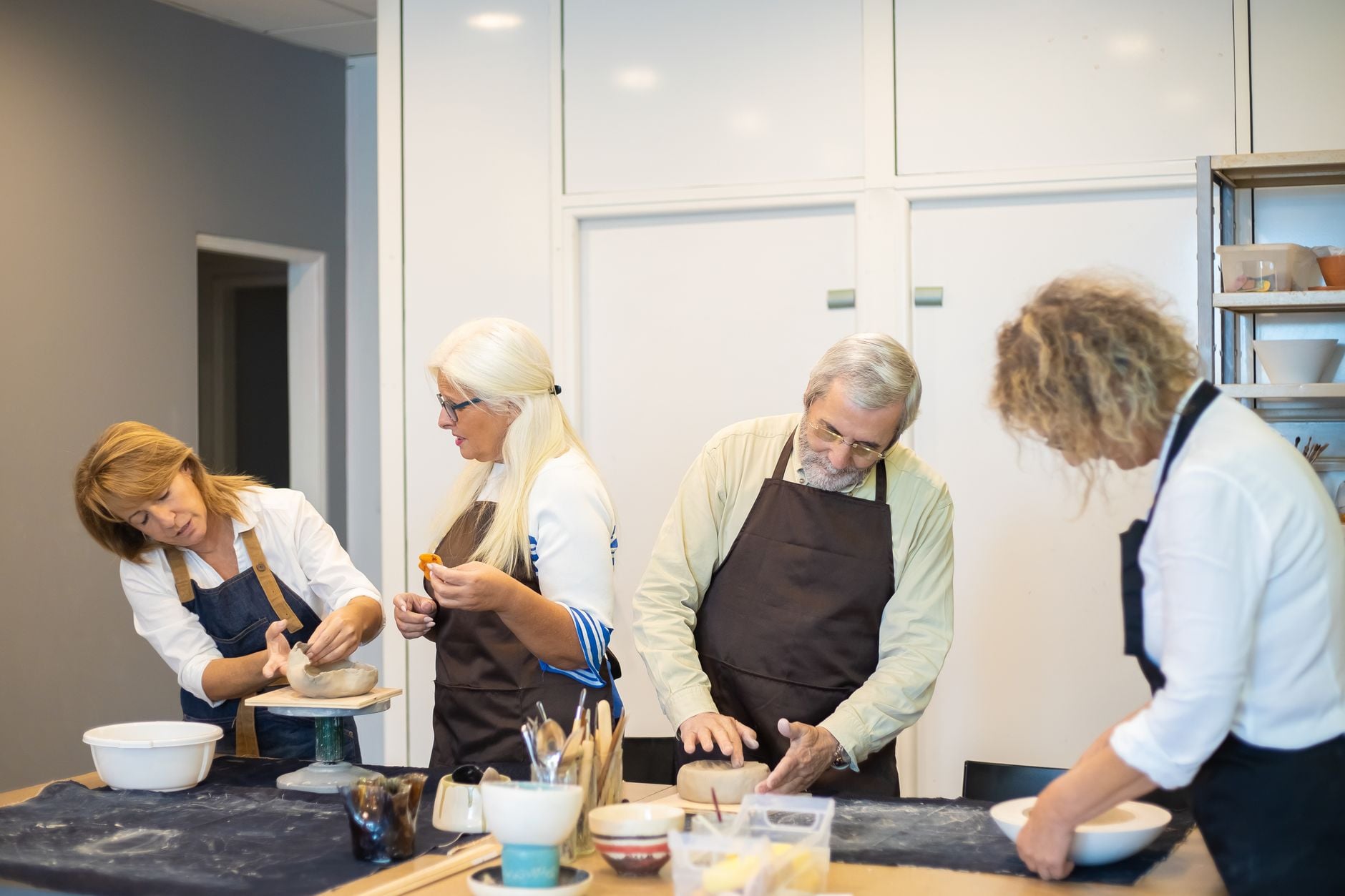
Much of Nordic social life is organised around shared activity rather than chatter: clubs, associations, and the long tradition of föreningsliv, the dense web of societies and hobby groups that a great many Swedes and Norwegians belong to. Finland, in particular, is often noted for a cultural comfort with silence, where not filling every pause is unremarkable rather than awkward. None of this means Nordic people are collectively introverts, which would be a lazy stereotype, and the region has plenty of gregarious talkers. But the arrangement is instructive. When connection is anchored to a common task, a choir, a sauna, a volunteer rota, the burden of performance drops, and a good deal of what introverts find draining about socialising drops with it.
For someone trying to be more social, that points somewhere practical: build the socialising around a thing to do, not a room to work.
The honest version
Put together, the research offers introverts something better than exhortation. You will probably enjoy being more social more than you predict, so your instinct to decline is worth distrusting. It will also tire you more than it tires others, so rationing and recovery are not weakness but maintenance. And “social” need not mean the kind of loose mingling that drains you fastest; anchored to an activity, it asks less of you.
The aim was never to turn quiet people into loud ones. It is to let them have more of the connection that suits them, on terms they can actually sustain.