

Kindness is quiet but unbreakable is the sort of line that looks good on a wall and asks nothing of the evidence. It is comforting precisely because it is vague. The more interesting question is whether kindness is actually robust, the sort of thing that holds up when there is something to be gained by dropping it, or whether that is just a hopeful story we tell about ourselves.
As it happens, someone tested a version of exactly that, and the answer is more encouraging than a cynic would guess, though not as absolute as the slogan.
The wallet experiment
In 2019, a team of economists led by Alain Cohn ran one of the largest field experiments ever conducted on everyday honesty. They handed in more than 17,000 “lost” wallets at banks, museums, post offices, hotels and public offices across 355 cities in 40 countries, and waited to see who would email the owner to return them.
The wallets were identical except for one thing: some were empty, and some held a modest sum of money. A rational-self-interest model of human behaviour makes a clear prediction here. The more money in the wallet, the more tempting it is to keep, so return rates should fall as the cash rises.
They did the opposite. In 38 of the 40 countries, people were more likely to return a wallet when it contained money than when it did not. On average, adding money lifted the return rate from 40 per cent to 51 per cent, and in a follow-up with a much larger sum, it climbed higher still. Neither members of the public nor a sample of professional economists predicted this. Both expected greed to win.
The researchers concluded that two quiet motives were doing the work: a genuine concern for the person who lost the wallet, and an aversion to seeing oneself as a thief. The more money involved, the more keeping it felt like stealing, and for a lot of people that feeling outweighed the cash. This is the “unbreakable” part, made concrete. It is not that kindness cannot be broken. It is that it holds up in situations designed to break it.
Why it counts as quiet
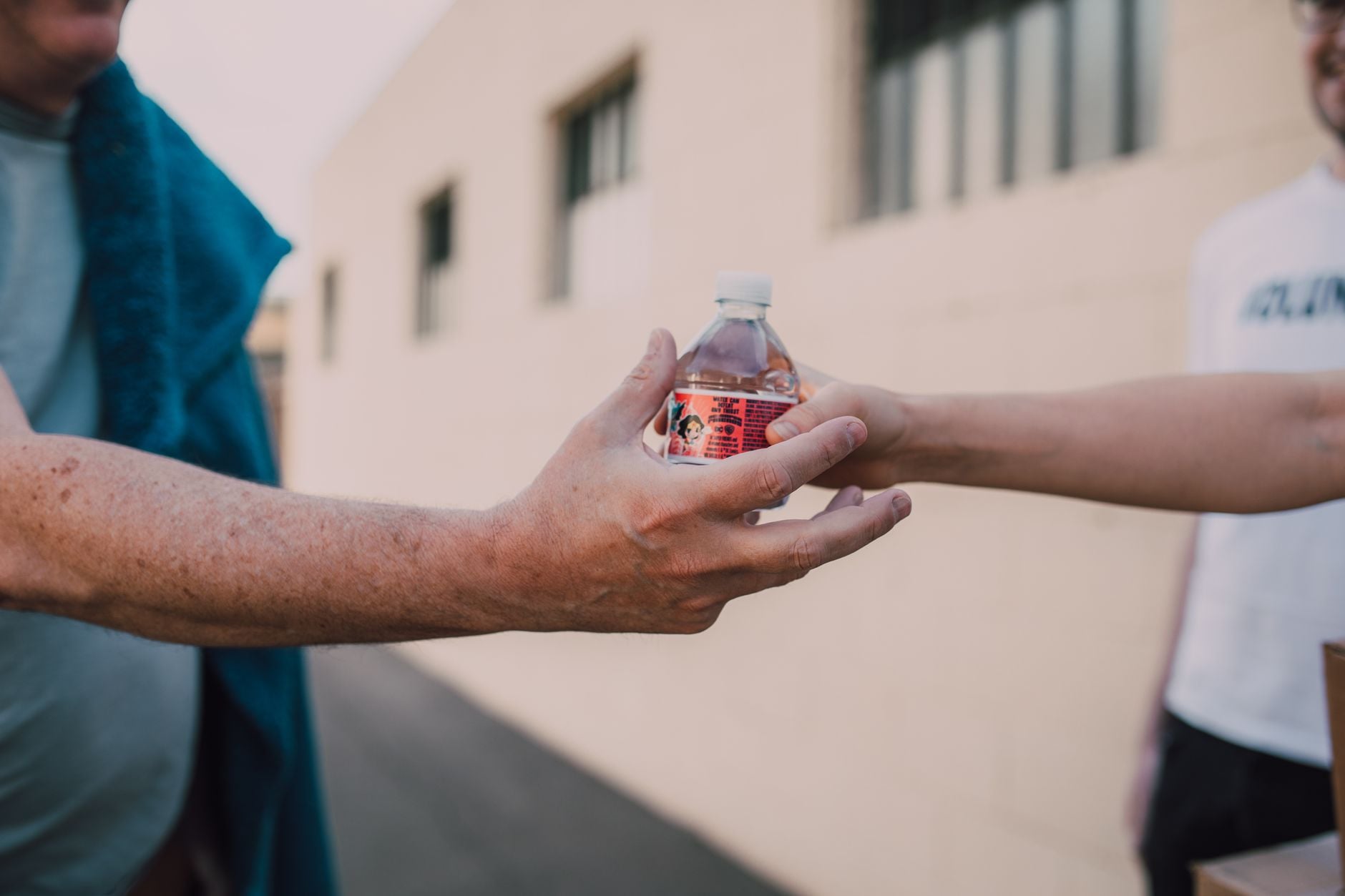
Notice what this kindness looked like in practice. It was a receptionist taking a minute to email a stranger about a business-card case. No audience, no credit, no dramatic gesture. Most kindness lives at this level, in acts small enough that no one would ever hear about them, which is exactly why it is easy to underrate.
The wallet study is really a measurement of that ordinary, unobserved layer. What makes it striking is not that people behaved like saints, because plenty of wallets were kept, but that the quiet default held across dozens of very different societies.
It also pays the giver back, a little
Part of why kindness persists may be that it is not purely a sacrifice. In a 2018 meta-analysis in the Journal of Experimental Social Psychology, Oliver Curry and colleagues pooled 27 studies covering around 4,000 people and found that performing acts of kindness gave the actor’s own well-being a small-to-medium lift.
The effect is real but modest, and worth keeping in proportion. Kindness is not a happiness hack, and the boost is not large enough to justify the wilder claims made for it. But a behaviour that quietly benefits both the receiver and the giver is exactly the sort of thing that would prove durable over time, because it does not rely on pure self-denial to keep going.
The Nordic footnote, handled carefully
Because this is a publication about the Nordic region, one detail of the wallet study is worth noting without overreading it. Return rates varied enormously between countries, from around 14 per cent to 76 per cent, and the Nordic and northern European countries sat among the highest returners, consistent with the region’s unusually high scores on measures of social trust.
It would be a mistake to turn that into a story about Scandinavians being nicer people. The study’s authors did not attribute the differences to national character but to things like institutions, education, and cultural norms that extend moral concern beyond one’s immediate circle. In other words, the quiet honesty on display is better read as a product of how a society is built than as a personality trait handed out at the border. It can be cultivated, and it can presumably erode.
What the evidence will and will not support
So the wall poster is half right. Kindness is often genuinely quiet, and it is more robust than a hard-nosed model of self-interest predicts, which is a real and slightly surprising finding rather than sentiment.
Unbreakable is too strong. Wallets were kept, rates varied widely, and the honesty that looks so sturdy rests on trust and institutions that can be worn down. The honest version of the slogan is less quotable and more durable in its own way: kindness is quiet, it is common, and it survives conditions built to tempt it away, which turns out to be about as much as anyone could reasonably ask of it.