
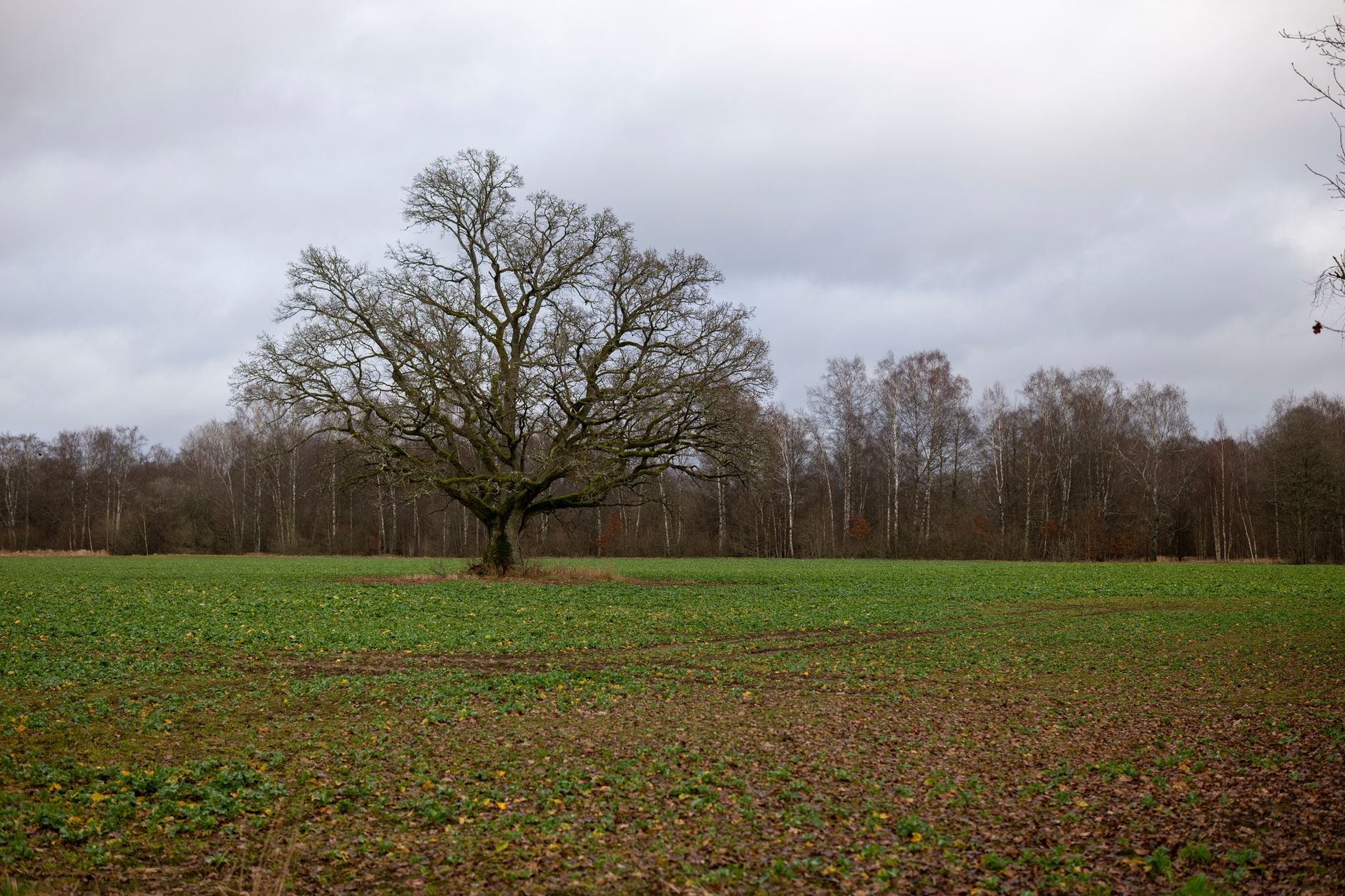

The old that is strong does not wither, Tolkien wrote, and finished the couplet: deep roots are not reached by the frost. It comes from the same short poem as the more famous line about wanderers, and like that one it is easy to file under consolation, the sort of sentiment stitched onto a cushion and left unexamined. But both halves of the image turn out to have real evidence behind them. There is a specific kind of strength that genuinely deepens rather than fades with age, and there is good reason to think deep roots really do carry people through the frost of hardship. For once, the poem’s quiet confidence is mostly earned, provided you read it carefully rather than sentimentally.
The old that is strong does not wither
Begin with the first line, which flatly contradicts the usual assumption that age is nothing but decline. Research by the Stanford psychologist Laura Carstensen and colleagues describes what has been called the paradox of ageing: even as physical health declines, older adults’ emotional lives tend on average to improve, with better emotional control, less negative feeling, and stable or greater positive feeling than younger people report.
Her explanation is that a sense of time growing shorter quietly reorders what people pursue. As the years ahead contract, attention shifts away from acquisition and towards what is emotionally meaningful, so older people prune the trivial, invest in the relationships and activities that matter most, and, through long practice, become markedly better at regulating their own emotions. The result is a form of strength that is easy to overlook because it is not the kind that shows: steadiness, a clearer sense of what is worth minding, the ability to savour what is good and let smaller things go. This is precisely the strength the poem means, and its surprising feature is that much of it arrives with age rather than in spite of it. The vigour of the body withers on schedule. The emotional strength built over a life often does the opposite, deepening as the surface fades.
Deep roots are not reached by the frost
The second line makes a claim about adversity rather than age, and it holds up just as well. Decades of work by George Bonanno and others have found that after serious loss or trauma, the frost of the poem, the single most common human response is not collapse but resilience, a return to normal functioning, and that this resilience is ordinary rather than rare, produced not by any one heroic quality but by the accumulated weight of many protective factors together.
That last point is the deep-roots image made almost literal. Resilience does not usually rest on a single taproot of exceptional courage; it grows from a whole system of established resources, close relationships, a capacity to adapt and improvise, a sense of meaning, a life that was reasonably steady before the blow fell. A person rooted in that way tends to come through hardship that, from the outside, looked certain to break them, and the research suggests this is the norm, not the exception, wherever the roots run deep enough. The frost is real and can be brutal, but it works at the surface, and what is anchored well beneath it is largely beyond its reach. Strength that has depth, in relationships and character and meaning, is the kind that survives the winters a life inevitably brings.
Reading it honestly
None of this should be inflated into a promise, and it would be a small cruelty to do so. Ageing is not pure gain; the losses in health and, for many, in memory are real, the cheerful emotional findings are averages with plenty of unhappy exceptions, and grief and hardship are genuine even in the people who eventually recover from them. Some frost does reach even deep roots. Some strength does wither, and to tell a person otherwise in the middle of their own hard winter would be to mistake a tendency for a guarantee. The poem is not claiming that nothing is ever lost.
What it captures, and what the evidence quietly supports, is narrower and truer than a slogan: that depth outlasts surface. The strength that withers first is usually the shallow kind, the beauty, the speed, the novelty, all the things that glitter, while the strength built on deep foundations tends to hold, and sometimes to grow, precisely as the glittering things fade. There is even an instruction folded into it. If you would like to be the old that does not wither, the counsel is to spend your years growing roots rather than polishing the surface, tending the relationships, the character, and the sources of meaning that lie below the frost line. Those are the parts of a life the winters cannot easily reach, and the ones, the poem and the research agree, most likely to be strong when everything nearer the surface has thinned.