
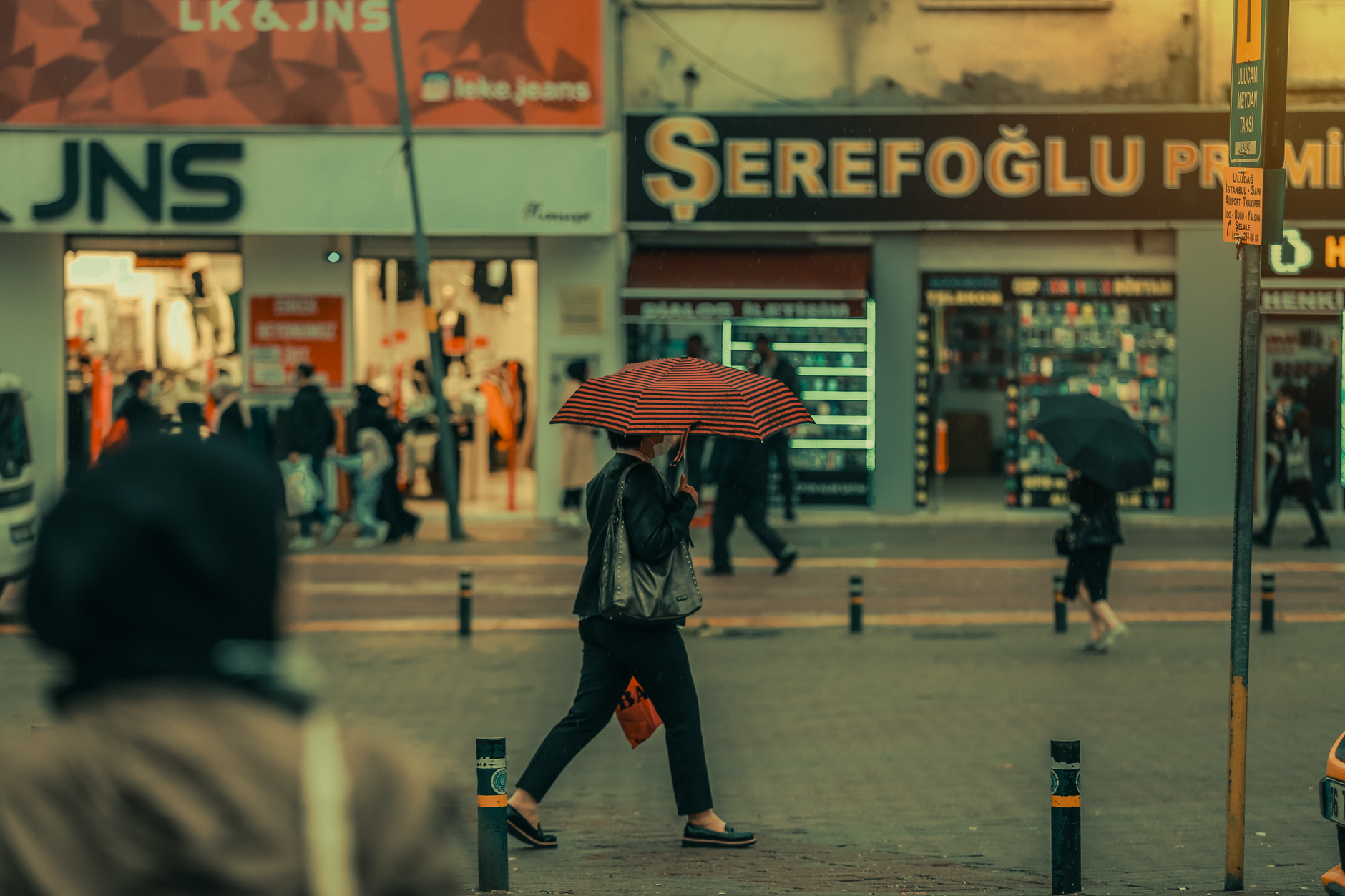

We tend to think of standing out as a gift you either have or you do not: the magnetic person who walks in and owns the room, the natural charisma, the presence some people seem simply to be born with. It makes being memorable feel like a lottery you either won or lost. The research suggests otherwise, and in two directions at once. A great deal of what reads as charisma is a set of specific, trainable habits. And being hard to ignore turns out to be less about turning the volume up than about being genuinely different from your surroundings, which is a quieter and far more available thing than the room-owner image implies. Here is what actually makes a person hard to ignore.
Charisma is mostly learnable habits
The first surprise is that charisma, that supposedly innate magnetism, can be taught. In a set of experiments, the psychologist John Antonakis and colleagues trained ordinary managers and students in what they called charismatic leadership tactics, and found that afterwards those people were rated as significantly more charismatic and more leader-like than before.
The tactics themselves are concrete and unglamorous. Speaking with conviction about values rather than logistics. Using stories and metaphors instead of dry facts. Asking rhetorical questions. Expressing confidence. And, on the non-verbal side, an animated voice, an expressive face, and gestures that actually move. None of it is magic. It is closer to a skill set, and like most skills it responds to practice. What we experience as someone just having presence is very often someone doing these particular things, whether they set out to learn them or absorbed them young without noticing.
Volume is not the point. Distinctiveness is
Here is the more interesting half, because the charisma-tactics story can make standing out sound like pure performance, being bigger and louder than everyone else in the room. The memory science says something subtler. Back in 1933, the psychologist Hedwig von Restorff demonstrated what is now called the isolation effect: in a list of similar items, the one that differs, a single word among numbers, a splash of colour on a grey page, is the one people actually remember. Our brains are built to notice and hold on to whatever breaks the pattern.
Applied to people, this reframes the whole idea. You are not remembered for being the loudest voice among loud voices, because that is simply more of the same. You are remembered for being different from what surrounds you. In a room full of people performing confidence, the one who is calm and genuinely curious stands out. Among people all saying the expected thing, a single honest or unexpected remark lands and stays. Distinctiveness, not volume, is what the mind flags and keeps.
Putting the two together
So the real art of being hard to ignore is a combination the clichés tend to miss. The charismatic habits, conviction, story, expressiveness, make a person compelling in the moment they are speaking. Distinctiveness is what makes them memorable long after. And distinctiveness is entirely contextual: what makes you stand out depends completely on the room you are standing in.
This is why trying to stand out by imitating whatever currently reads as impressive is quietly self-defeating. It folds you into the very crowd you were hoping to rise above. The person who is genuinely hard to ignore is usually the one being fully and specifically themselves in a setting where everyone else is performing a similar type. Difference, offered without apology, is the actual mechanism, and it rarely requires being the biggest personality present.
The honest caveats
A few things keep this from becoming a manipulation manual. The isolation effect cuts both ways: it makes you memorable for whatever you happen to stand out by, which means the distinctively rude or unreliable person is also hard to ignore, in precisely the way one would rather avoid. Standing out is only worth wanting when what you stand out for is worth being known for.
The charismatic tactics carry their own warning. They can dress up empty content just as easily as good content, which is exactly why demagogues tend to be charismatic. Presence without substance is only persuasion, and the shine comes off it soon enough. And not everyone should want to command every room in the first place. Plenty of quietly distinctive people, the reliably steady one, the genuinely knowledgeable one, the person who actually listens while others wait to speak, are deeply hard to ignore over time without performing at all. Being memorable in a lasting way usually owes more to a consistent, distinct character than to any single dazzling entrance.
What it comes down to
Which is the reassuring part of what the research points to. You do not need to have been born magnetic, and you do not need to be the largest presence in the building. The habits that make people compelling are ordinary, learnable things: speaking with conviction, telling the concrete story rather than reciting the abstract point, letting your voice and face genuinely move. And the thing that makes a person memorable is not being louder than everyone else but being different from them.
The surest route to standing out, then, is not to add more performance but to strip it away and be distinctly, specifically yourself. In a world where most people are quietly busy blending in, that turns out to be rare enough, all on its own, to be unforgettable.