
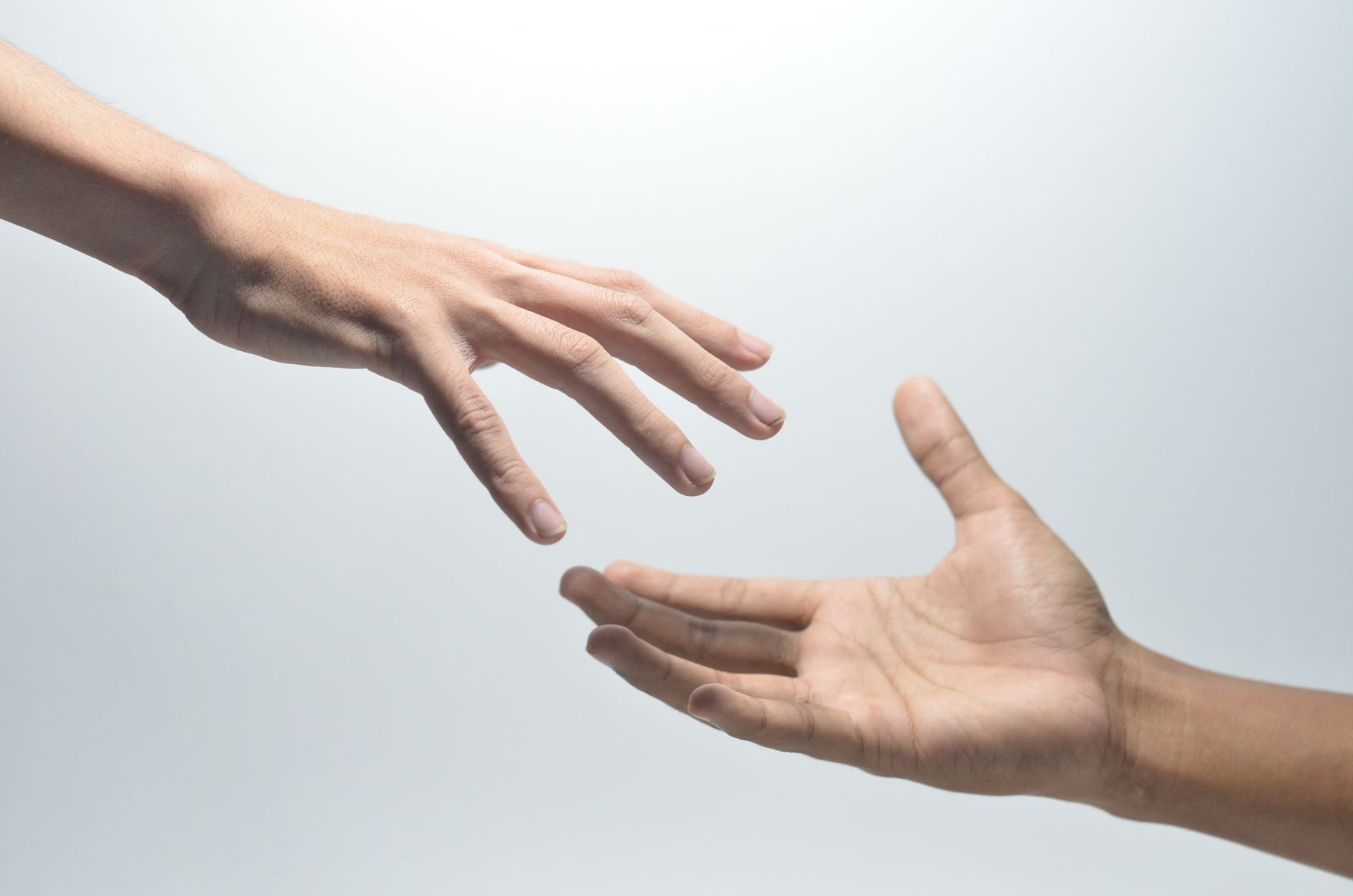

Kindness is the power that the world often forgets. As sentences go, it has the ring of a fridge magnet, the kind of line that is easy to nod at and just as easy to file under nice but soft. What makes it worth a second look is that two separate strands of psychological research make the claim more literal than sentimental. Kindness really does behave like a power, and the forgetting is not a figure of speech. It is a measurable, repeated mistake in how people read their own effect on others.
The first strand concerns how badly we misjudge the size of a small kind act.
We underestimate the splash we make
In a set of studies published in the Journal of Experimental Psychology: General, the researchers Amit Kumar and Nicholas Epley set out to measure the gap between what a kind gesture feels like to give and what it feels like to receive. In one field experiment, people in a Chicago park were given the chance to hand a stranger a free cup of hot chocolate. The givers guessed how good the recipient would feel. The recipients then reported how they actually felt.
The givers consistently guessed low. On a scale running from minus five to plus five, performers expected recipients to land around 2.7, while the recipients themselves reported an average closer to 3.5. A cupcake version of the study produced the same pattern. The gap was not enormous, but it was reliable, and its direction always the same: the person doing the kind thing thought it mattered less than it did.
The reason Kumar and Epley give is quietly revealing. Givers tend to fixate on the object, the hot chocolate, the cupcake, the lift home, and judge the gesture by that. Recipients barely notice the object. What registers for them is the warmth behind it, the sheer fact of having been thought of. Because we stand on the wrong side of our own kindness, we keep pricing it by the thing rather than by the warmth, and so we keep underestimating it. That miscalibration, the authors argue, quietly discourages people from being kind as often as they otherwise would, which is the sense in which a genuine power goes unused.
Warmth is the dimension we forget to count
The second strand explains why this particular blind spot is so persistent, and it reaches wider than single gestures. When we size up another person, decades of social psychology suggest we do it along two great dimensions. One is competence, how capable, clever and effective someone seems. The other is warmth, how caring, trustworthy and well-intentioned they seem.
In their work on these two dimensions, the psychologists Susan Fiske, Amy Cuddy and Peter Glick describe warmth and competence as the fundamental axes of social perception. And there is a good case that warmth comes first. From an evolutionary angle, the most urgent question about a stranger is not how skilled they are but whether they mean you well or ill, friend or foe, before competence even becomes relevant. Warmth is the dimension that answers that question, and people appear to read it fastest and weigh it heavily when forming an overall impression.
Here is the forgetting again, in a larger form. The culture around us rewards and advertises competence relentlessly: the credential, the title, the polished performance. Warmth is treated as the pleasant extra, the thing you get to once the serious business of being impressive is done. Yet warmth is doing much of the quiet work of deciding how we are received. The trait we deprioritise is the one most shaping other people’s response to us.
Why the two blind spots are really one
Put the strands together and they turn out to describe the same error from two angles. When we act, Kumar and Epley found, we attend to the competent part of what we did, the quality of the gift, how well we pulled it off. What actually lands on the other person is the warmth. So we systematically over-weight the dimension that matters less to the recipient and under-weight the one that matters most.
That is a precise account of how a real power gets forgotten. Not because kindness is weak, but because we are standing at the wrong angle to see its effect, consistently mistaking the wrapping for the gift.
There is a further detail in the kindness research worth adding, with the caution that it is a single line of work. Recipients of a small kindness in the studies went on to be measurably more generous to others afterward, splitting a sum of money more evenly with a stranger than people who had not been on the receiving end. If that holds more broadly, part of kindness’s power is that it does not stay put. It tends to move outward from the person who received it.
What the evidence does and does not claim
A few honest limits keep this from inflating into something it is not. These are specific studies, several of them run in parks and laboratories with particular groups of people, and the warmth-and-competence framework is a model with its share of academic debate rather than a settled law. The effects are averages across many people, not guarantees about any single exchange, and the pay-it-forward finding especially deserves to be held lightly until more work confirms it.
It is also worth resisting the obvious misuse. None of this says warmth can stand in for competence where competence is what is needed; you still want a careful surgeon over a cheerful one. And treating kindness purely as a lever, a technique for being better received, tends to defeat itself, since people are fairly good at telling warmth from a performance of it. The point is narrower and steadier than a self-help promise.
What the research leaves standing is the original line, only with the softness taken out of it. Kindness is a power, in the plain sense that it moves other people more than we assume and shapes their view of us more than we notice. The forgetting is real, and it is specific: we keep looking at the gift in our own hands instead of the warmth landing in someone else’s.