
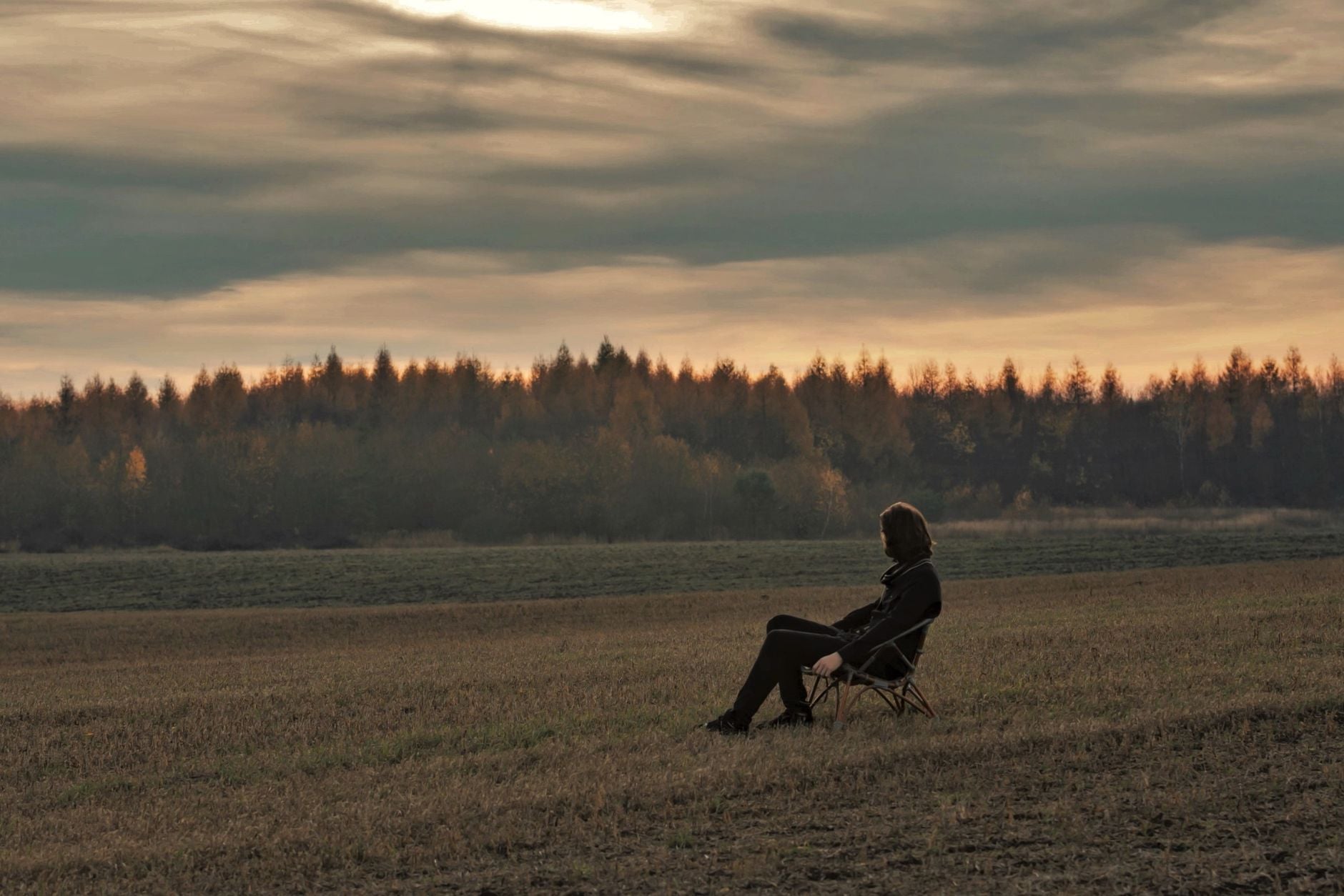

We tend to treat a need for alone time as a personality footnote, something introverts require and extroverts do not, or, less kindly, as a form of standoffishness. The research on solitude suggests it is neither niche nor a flaw. A regular dose of chosen time alone appears to be a genuine psychological need for a great many people, and it does specific and useful work. The reason it so often gets misread is that we confuse two things that happen to look identical from the outside: solitude and loneliness. Separating them is the whole point, because the difference between them is enormous.
What time alone actually does
The clearest finding is almost mechanical. In a series of studies, the psychologists Thuy-vy Nguyen, Richard Ryan and Edward Deci found that simply being alone produces what they called a deactivation effect: it turns down high-arousal emotions, both the negative ones such as anxiety and anger and the positive ones such as excitement, leaving people calmer and more even. Being with another person did not do this. The effect was specific to solitude.
In other words, time alone works something like an emotional thermostat, bringing an overheated system back down. Anyone who has felt frazzled after a long, crowded day and then noticed the relief of finally closing a door behind them has felt this directly. It is not misanthropy. It is regulation, an ordinary human function rather than a quirk of the shy, and treating it as antisocial rather misses what is happening.
The catch that changes everything
The same research contains one crucial condition, and it is exactly the thing the alone-time-is-just-unfriendly reading overlooks. The calming, restorative benefit depends heavily on the solitude being wanted. Nguyen and colleagues found that when people actively chose to be alone, solitude brought relaxation and lower stress; when it was simply imposed on them, it did not work the same way.
This maps onto a distinction the psychologists Christopher Long and James Averill had drawn years earlier, between solitude and loneliness, which look identical from the outside and feel like opposites from within. Solitude is time alone that you have chosen, and it tends to be a positive state, something sought rather than avoided. Loneliness is time alone that you have not chosen, and it hurts. The very same empty room can be a sanctuary or a punishment, depending entirely on whether you wanted to be in it. This is why some people need alone time and isolation is bad for you are both true, and not in the slightest contradiction.
What chosen solitude is good for
Long and Averill went on to set out what people actually gain from solitude they have chosen, and it turns out to be more than simply calming down. They pointed to freedom, the ability to do as you please without negotiation or performance. To creativity, which tends to need uninterrupted stretches to appear at all. To a certain intimacy with yourself, the room to notice what you genuinely think and feel when no one else is there shaping it. And, for many people, to a quieter and more reflective dimension that only surfaces once the social noise has dropped away.
None of these are really available in company, however good that company is. They require the door closed. Which is why people who guard their time alone are frequently not avoiding others so much as protecting a specific set of goods that can only be reached on their own.
Why we are so bad at it
If solitude is this useful, why do so many people neglect or quietly fear it? Partly it is a cultural bias. Much of modern life treats constant connection as the healthy default and being alone as a problem to be solved, so we reach for a screen the moment a gap opens and rarely sit in genuine, undistracted solitude at all.
It is telling that the Nordic countries, so often near the top of the happiness rankings, tend to be relatively at ease with being alone: the long dark winters, the cabin in the woods, the cultural comfort with simply being quiet, even in someone’s company. Solitude there is less a thing to apologise for than an ordinary, expected part of a life well lived. There is a quiet lesson in that for cultures that have made being alone faintly suspect.
The honest limits
A few caveats belong here. The need for solitude varies enormously from person to person. Some people genuinely need very little of it and are restored by company instead, and there is nothing wrong with that, so none of this is a prescription that everyone must go and sit alone to be well. And solitude has a real edge to it. Chosen time alone that slowly hardens into avoidance, into never seeking anyone out at all, tips back into the very isolation and loneliness that damage us, because human beings need connection every bit as truly as they need retreat.
The skill, then, is not choosing solitude over company or company over solitude, but knowing which one you actually need, and giving yourself permission to take it. For a great many people the honest truth is that regular time alone is not selfishness or coldness but maintenance: the closing of a door that lets the mind settle, so that when it opens again there is genuinely someone there to meet. Needing to be alone sometimes is not the opposite of needing people. It is part of how you stay fit to be with them.