
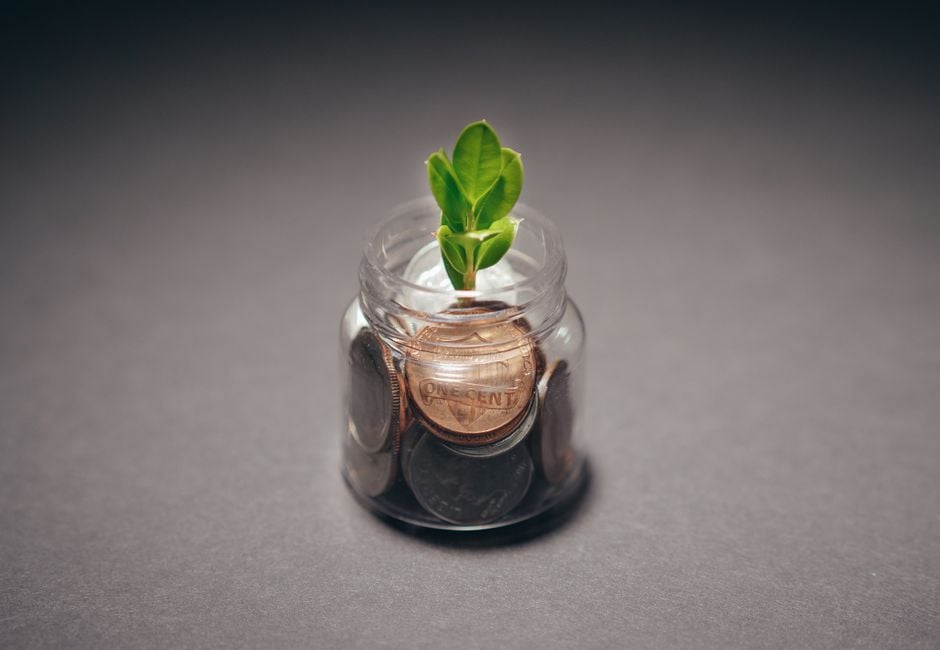

Ask whether money buys happiness and you tend to get one of two confident answers. Either it obviously does, because being broke is miserable, or it obviously does not, a line most often delivered by people who are comfortably off. The research says both camps are partly right and both are missing the more interesting part.
The relationship between money and happiness is real. It is just far weaker, and far stranger, than either slogan suggests.
I am a writer with an interest in this material, not an economist, so take this as a careful reading of the evidence rather than financial advice.
The part almost everyone agrees on
At the level of individuals, money and happiness clearly move together. Within any given country, richer people report being happier, on average, than poorer people. That much is not really in dispute.
What matters is the shape of the link. It is not a straight line but a curve that flattens. Going from struggling to secure makes an enormous difference, because it removes real sources of daily stress, from rent to unexpected bills. Going from comfortable to rich adds far less. The same extra thousand kroner that transforms a tight month barely registers for someone already at ease. Money keeps helping, but each additional amount buys steadily less happiness than the last. Economists call this diminishing returns, and it is one of the most consistent findings in the whole field, showing up again and again across very different countries and datasets.
The puzzle at the level of whole countries
Then things get odd. In the 1970s the economist Richard Easterlin noticed something that still carries his name. Although richer people within a country were happier, entire countries did not seem to get much happier as they grew richer over the decades. Rising national wealth was not translating into a rising national mood in the way you would expect.
It is worth being honest that this Easterlin paradox is contested. Later work by the economists Betsey Stevenson and Justin Wolfers, published through the National Bureau of Economic Research, argued that richer countries really are happier than poorer ones and found no clear ceiling where more national income stops mattering. The debate is not fully settled. But even the sceptics agree the effect of a country simply getting richer is far smaller and messier than the individual picture would lead you to predict.
What the happiest countries actually have
This is where the Nordic countries become the most useful evidence in the argument, and not for the flattering reason people here might hope. Finland has just been ranked the happiest country in the world for the eighth year running, with Denmark, Iceland and Sweden close behind.
The telling thing is that these are not the richest countries on earth. Several oil states and financial centres out-earn them comfortably. What the Nordic countries share is not maximum wealth but what they do with the wealth they have. The World Happiness Report scores nations on a handful of factors, and the ones that separate the top of the table are social support, freedom, healthy life expectancy, generosity and low corruption. Money is one input, but it seems to translate into happiness most reliably when it is converted into security, trust and the sense that the floor will not fall out from under you.
Put simply, wealth appears to buy the most happiness when it is spent on making life feel safe and fair, rather than merely accumulated.
How you use it matters more than how much
The same lesson holds at the personal scale. I have written before about a well-known experiment in which people who were given money to spend on other people ended the day happier than those told to spend it on themselves. How money is used turns out to matter at least as much as how much of it there is. Spending on experiences and on other people tends to pay back in wellbeing far better than spending on accumulating things, which we adapt to and stop noticing with unnerving speed.
Where that leaves the question
So does money buy happiness? The most honest answer is that it buys the removal of misery very efficiently and buys joy rather poorly. Lifting someone out of financial fear does a great deal for their wellbeing. Piling more on top of an already secure life does surprisingly little.
None of this is an argument that money does not matter, which is a comfortable thing to believe only once you have enough of it. Poverty is genuinely corrosive to happiness, and pretending otherwise helps no one. The more useful takeaway is about diminishing returns and direction. Past the point of security, the strongest levers on happiness are not in your bank balance at all, but in your relationships, your health and the fairness of the society around you. The countries that understand that are, not coincidentally, the ones that keep topping the list.