
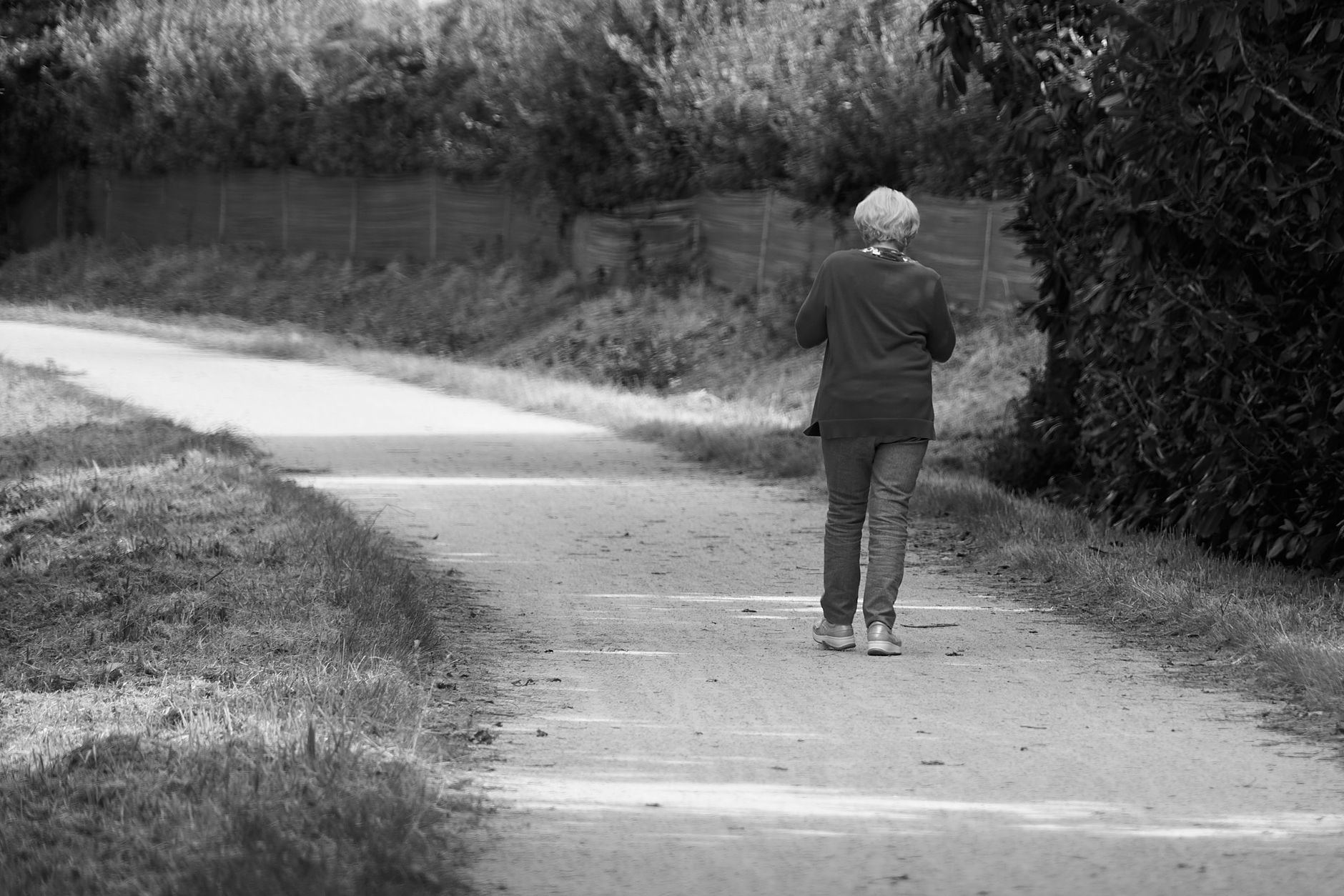

Let us deal with the headline first, because it promises more than anyone can deliver. No single habit stops cognitive decline. The phrase treats the ageing brain as a machine with an off switch for one specific fault, and that is not how the evidence reads. This is a reading of the research for general information, not medical advice. What is true, and more useful than the promise, is that one habit has more and better evidence behind it than any other for protecting thinking as we age, and it is not a supplement, a brain-training app, or a superfood. It is regular physical exercise.
The habit with the strongest evidence is movement
If you had to bet on one thing, the research points fairly clearly at exercise, and recent work has begun to sort out which kind. A 2025 network meta-analysis published in the Journal of the American Medical Directors Association pooled 58 randomised trials of nearly 4,400 cognitively healthy older adults and compared several types of exercise, finding that exercise improved cognitive function overall and that resistance training, the kind that uses weights or bands, showed the largest benefit for global thinking, with mind-body forms such as tai chi standing out for certain executive skills.
Two things in that sentence matter. The improvements were real but not dramatic, and they concern helping cognitive function rather than curing anything. No form of exercise switches off the processes behind serious decline. What the evidence does support is a more honest and still worthwhile claim: of all the everyday habits a person can adopt, movement has the deepest and most consistent research behind it for keeping the mind sharper for longer, and if you want the single strongest option, some resistance work belongs in the mix.
But no single habit stops decline
The reason the one habit framing fails is that dementia risk is spread across many factors, not concentrated in one. The most influential summary of this comes from the Lancet Commission on dementia. In its 2024 update, the Commission estimated that up to 45 per cent of dementia cases could in principle be prevented or delayed by addressing fourteen modifiable risk factors across life, of which physical inactivity is only one, alongside hearing loss, high blood pressure, less education, smoking, diabetes, social isolation, and, newly added in this edition, high cholesterol in midlife and untreated vision loss in later life.
Read carefully, this cuts both ways. It means lifestyle genuinely matters, which is encouraging. It also means that even in the best case, more than half of dementia risk sits outside that list, in age and genetics and factors not yet well understood or easily changed. No single habit, exercise included, can carry the whole weight. Exercise is the strongest lever in a set of many, not a switch that turns the problem off.
Why movement, in particular
Part of what makes exercise the best single bet is that it does not act alone. The precise biological mechanisms are still debated, and it would be dishonest to pretend otherwise. What is clearer is that regular activity supports cardiovascular health, and several of the risk factors the Commission lists, including high blood pressure, diabetes and raised cholesterol, are bound up with the health of the heart and blood vessels. Exercise also tends to improve sleep and mood, which matter for thinking in their own right. So a single habit ends up touching several of the factors at once, which is a large part of why it punches above its weight.
This is efficiency rather than magic. One change to a daily routine happens to influence several of the things that shape brain health over decades, which is exactly why it keeps coming out on top when researchers compare everyday interventions.
What exercise actually means here
The trials in this area did not require anyone to become an athlete. They used manageable amounts of aerobic activity such as brisk walking or cycling, and resistance work such as light weights or resistance bands, often just two or three sessions a week. Public health guidance in many countries suggests something in the region of 150 minutes of moderate activity a week, with a couple of strengthening sessions added, but the more forgiving and probably more useful message is simply that more movement than you currently do, kept up over time, is the point. Consistency, not perfection, is what the evidence rewards, and something sustainable beats an ambitious plan abandoned in February.
The honest limits
A few things need saying plainly so the headline does not creep back in. Exercise reduces risk on average; it does not eliminate it, and averages hide people for whom it does less. It cannot reverse an established disease process, and plenty of active, healthy people still develop dementia, which is not a personal failing. It is a risk-reducer working alongside the other factors, not a guarantee. And it is easier for some than others, since health conditions, disability, pain and simple access all shape what is realistic, so the right amount is the amount a given person can actually sustain.
Anyone living with a health condition, starting exercise after a long gap, or genuinely worried about their memory or a family member’s, is better served by a conversation with a doctor than by any article, both for safe advice on activity and for proper assessment where it is warranted.
So the corrected version of the promise is quieter than the original. There is no one habit that stops cognitive decline. But if you want the single habit with the most evidence behind it for protecting the ageing brain, it is moving your body regularly, taken as one part of a wider set of protections, none of which comes with a guarantee, and all of which are worth having anyway.