
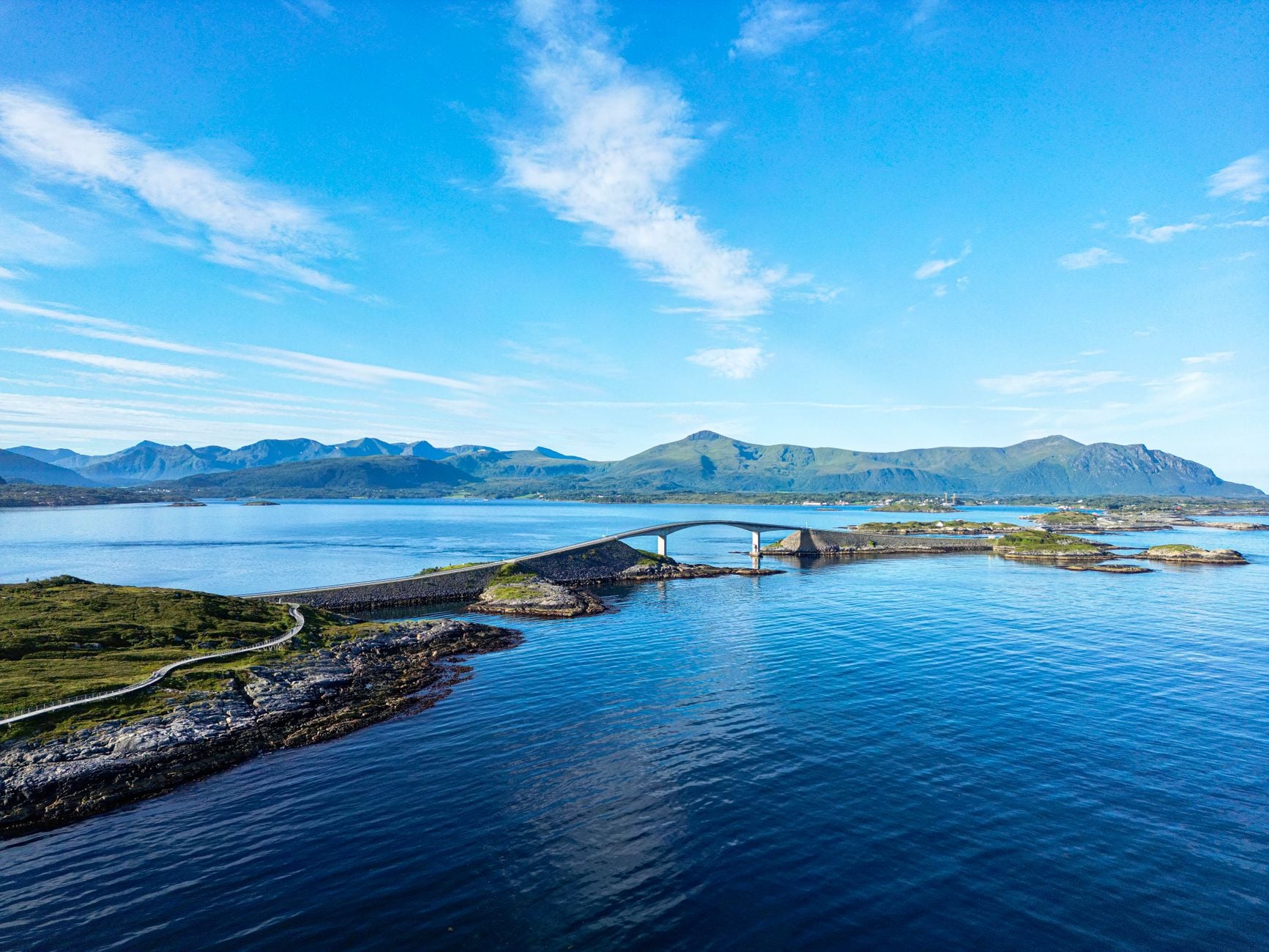
A Scandinavian summer holiday used to be sold with apologetic caveats: pack a raincoat, expect a cold swim and do not assume the sun will cooperate. The same conditions are now being given a marketable name. A “coolcation” promises milder days, water, nature and long evenings while parts of southern Europe contend with more intense summer heat.
The shift is visible in surveys and accommodation data, but the slogan gets ahead of the evidence when it suggests a wholesale flight from the Mediterranean. Northern destinations are gaining attention and visitors. Spain, Italy and France remain tourism giants. What is changing is the set of trade-offs travellers make before booking.
Climate has entered the booking decision
The term coolcation joins “cool” and “vacation”, and covers travel to places where peak summer weather is expected to be more comfortable. It is used for northern Europe, Canada, mountain regions and other high-latitude or high-altitude destinations, not Scandinavia alone.
The OECD’s 2026 tourism report treats the pattern as an emerging response to extreme weather. It says rising temperatures are altering both the geography and timing of travel, with some visitors choosing temperate, high-altitude and high-latitude destinations or moving Mediterranean trips into spring and autumn.
A survey of 5,991 Europeans for the European Travel Commission gives the idea a more useful scale. In spring 2025, 81% said climate change had influenced at least one travel habit. About 15% were choosing destinations with milder temperatures, 14% were avoiding places with extreme temperatures and 10% had changed their holiday month.
Those numbers describe a meaningful minority, not an overnight continental reversal. Weather also competes with cost, transport, school holidays, family ties and the attractions people wanted in the first place.
The northern growth is measurable
Norway recorded 7.4 million commercial guest nights in July 2025, its highest July total. Statistics Norway reported that foreign guest nights rose 17% from July 2024, compared with 4.5% growth in domestic nights. The agency noted that several weeks of high temperatures within Norway may also have supported the record, a reminder that “cool” is relative.
Across the full year, Norway logged 40.6 million commercial guest nights, passing 40 million for the first time. Foreign stays reached 14.2 million, 14% more than in 2024. Statistics Norway pointed to the exchange rate and marketing of nature experiences as possible explanations, so it would be too neat to assign the entire increase to heat avoidance.
Sweden shows a related pattern. Preliminary official accommodation figures published by Visit Sweden put foreign guest nights at 18.6 million in 2025, up 10.8% in one year. Total guest nights rose 4.3%. Yet Sweden’s summer high season, June through August, grew by only 1.1%; growth was stronger outside those three months.
Denmark also recorded nearly 66 million tourist nights in 2025, the highest total in Statistics Denmark’s series, though the annual rise was a modest 1%. These figures support rising demand for Scandinavian travel, but they do not identify one shared motive among every visitor.
The Mediterranean has not been replaced
The word “suddenly” makes the coolcation sound more disruptive than the totals suggest. Eurostat counted almost 3.1 billion nights in EU tourist accommodation during 2025. Spain, Italy and France together recorded about 1.46 billion. Add Germany and the four countries accounted for 61.7% of all EU accommodation nights.
People can choose Norway in July and Spain in October. That is one reason the more convincing change may be seasonal rather than purely geographic. A Mediterranean city outside its hottest months and a Nordic coast at midsummer can both gain from travellers becoming more deliberate about temperature.
Price complicates the comparison. Norway, Sweden and Denmark can be expensive, especially in places with limited rooms and a short peak season. Currency movements can soften that difference for some foreign visitors, while new or more frequent air routes can turn a place from an aspiration into a practical option. A trend name tends to hide those ordinary market effects.
Why a northern summer offers more than lower temperatures
Milder weather is the headline, but it changes what can fill a day. Walking, cycling, kayaking and city sightseeing are easier to imagine when extreme afternoon heat is less likely. Long daylight extends the usable evening, particularly farther north. Coastlines, lakes, archipelagos and cabins give the trip a recognisable summer shape without requiring a conventional resort.
This is also where the distinction between Scandinavia and the Nordic region matters. Scandinavia usually refers to Denmark, Norway and Sweden. Finland and Iceland are Nordic countries and appear frequently in coolcation reports, but they should not be folded into Scandinavia simply because a travel campaign groups cooler northern destinations together.
Nor should “cool” be read as a weather guarantee. Copernicus recorded heatwaves from the Mediterranean to the Arctic Circle in 2025. Northern Europe can bring heat, wildfire risk, heavy rain or abrupt cold. Average conditions may differ, while the actual week remains uncertain.
A climate adaptation with its own costs
Moving demand north does not make tourism environmentally neutral. Flights still produce emissions. Cruise traffic, road congestion, waste and footfall can strain small communities and sensitive landscapes. The OECD warns that destinations gaining visitors may need more infrastructure while managing environmental damage and concentrated seasonal demand.
There is an irony in marketing places as escapes from a warming climate while increasing the travel pressures that contribute to it. There is also an opportunity for destinations to spread visits across regions and seasons, provided residents, transport and ecosystems are treated as more than background scenery.
The coolcation is therefore best understood as a real adjustment inside a much larger travel market. Scandinavian summers are attracting more foreign visitors, and heat is now one reason among several. The Mediterranean is not being deserted. Europe’s holiday map is becoming more seasonal, more climate-conscious and less automatic than it once appeared.