
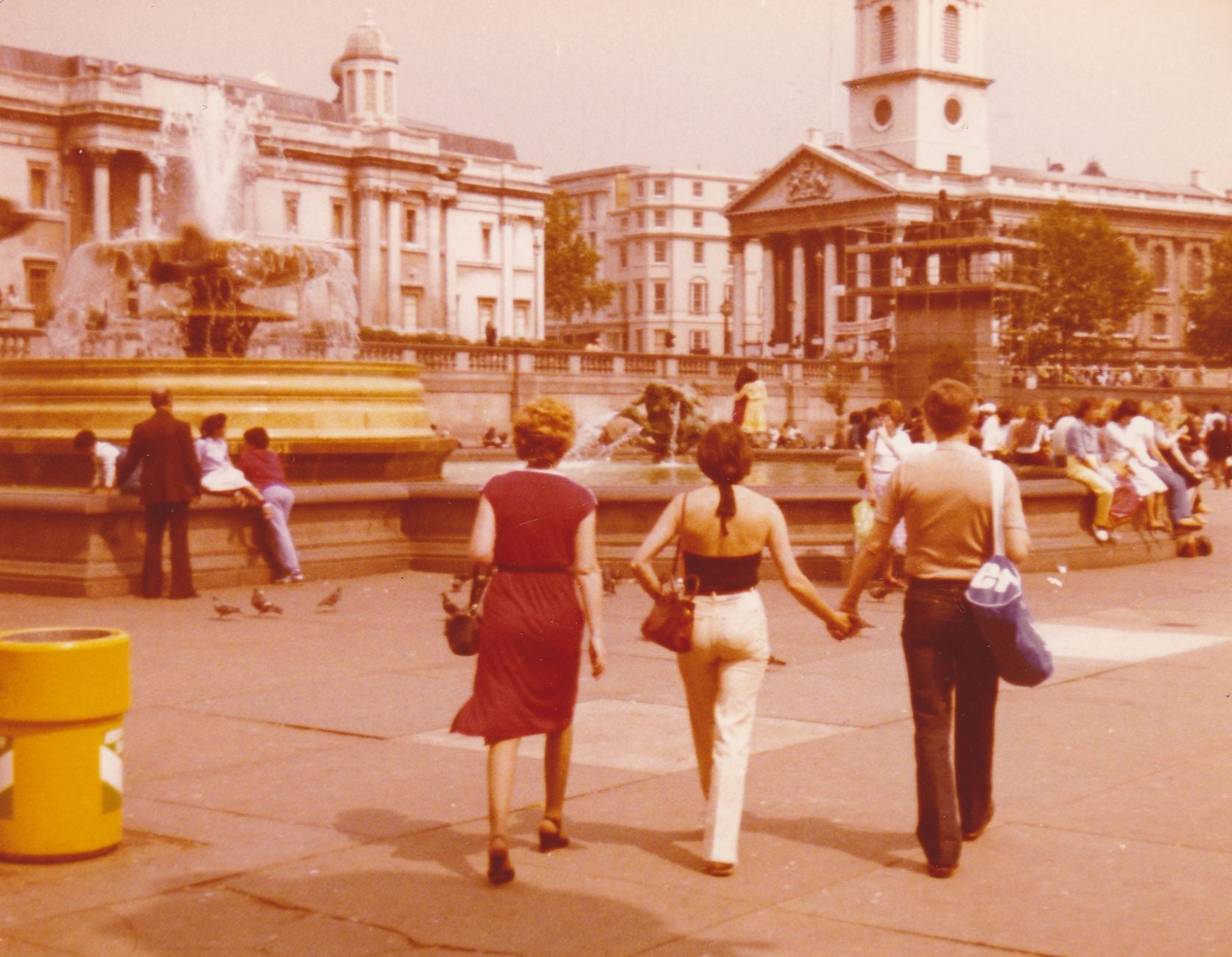

The Swinging Sixties arrive in memory as a total transformation: miniskirts and the Beatles, a whole society throwing off its inhibitions in one long, technicolour exhale. It is a wonderful image, and like most wonderful images it is partly true and partly a trick of the light. The real story is more specific and, in its way, more interesting. It involves a genuine burst of creativity, a phrase minted by an American magazine, and a myth that has quietly outgrown the thing it was meant to describe.
The moment a magazine named a decade
The label has a precise birthday. On 15 April 1966, Time devoted its cover to a piece called “London: The Swinging City,” written by the correspondent Piri Halasz, and the phrase “Swinging London” went around the world almost overnight. It became the shorthand through which the entire era would be understood, and it stuck so thoroughly that we now use it without remembering it was ever coined at all.
What Halasz was describing was real. For a few improbable years, a grey, still war-scarred London had become the most fashionable place on earth, an unlikely world capital of pop music, clothes, photography and design. The Beatles and the Rolling Stones were remaking popular music; Mary Quant was selling the miniskirt from the King’s Road while Carnaby Street dressed the young in colours their parents found alarming; Twiggy and the boutique Biba and photographers like David Bailey turned a particular kind of youth into the defining look of the age. A city that a decade earlier had been rationing sweets had turned itself, briefly, into the centre of the modern world. That part is not myth. Something genuinely happened, and it happened first in London.
But who was actually swinging?
The trouble begins when the snapshot is mistaken for the whole country. Historians who have gone back to the evidence, the revisionist Dominic Sandbrook chief among them, make an awkward but persuasive point. The swinging was largely the activity of a small, well-educated, mostly young and metropolitan minority, and a striking number of them went on to become the writers, journalists and publishers who later wrote the decade’s history. They had, in other words, both a glamorous youth and every professional reason to remember it as the hinge of the modern age.
For millions of other people, in the provinces, the suburbs and the small towns, daily life in 1966 looked a great deal as it had in 1956. There was work, and church or chapel, marriage and thrift, and a wardrobe entirely untouched by Carnaby Street. The miniskirt was a London sighting long before it was a national habit. This does not make the revolution false, but it makes it narrow, and it means the story was narrated, overwhelmingly, by the handful of people for whom it was most true. The camera was pointed at Chelsea, and the rest of Britain stayed comfortably out of shot.
The permissive society, examined
The strongest case for a real revolution is the run of legislation that seems to prove a moral one: the Sexual Offences Act of 1967, which partly decriminalised sex between men in England and Wales; the Abortion Act of the same year; the Divorce Reform Act of 1969; and, threaded through it all, the spread of the contraceptive pill. These were serious changes with long consequences, and it would be foolish to wave them away.
Yet the same historians caution that the so-called permissive society was more limited, more gradual and more bitterly contested than the legend allows. Several of the reforms had roots reaching back into the 1950s and reached their full effect only in the 1970s. The pill, at first, was largely confined to married women. And every one of these measures provoked at least as much unease and anger as celebration, in Parliament, in the churches and around a great many kitchen tables. The Sixties did not so much sweep the old Britain away as begin a long and noisy argument with it, one that in several respects is still going on. Permission, it turns out, was granted slowly and grudgingly, and taken up by fewer people than the myth suggests.
Why the myth endures
The golden-age version persists for two reasons. It is irresistibly good copy, and the people best placed to tell it were precisely those who had lived its most glamorous chapter. Treating the whole decade as a single great uncorking is satisfying, but it flattens something subtler and more true: a real and lasting shift in music, design and law, concentrated in particular places and among particular people, laid over a country that was mostly getting on with things and frequently uneasy about the change.
It is worth holding the two halves together rather than choosing between them. The honest picture is neither the technicolour legend nor the deflating rejoinder that nothing really happened. It is a both-and. There was a genuine creative explosion, and there was a magazine that gave it a name and a gloss. Historians still disagree about the balance, with Arthur Marwick calling the decade a cultural revolution and Sandbrook and others insisting on its limits, and where you land depends heavily on where, and at whom, you choose to look. The Swinging Sixties were not a lie. They were a real event that happened to come with a publicist, and the myth has been swinging ever since.