
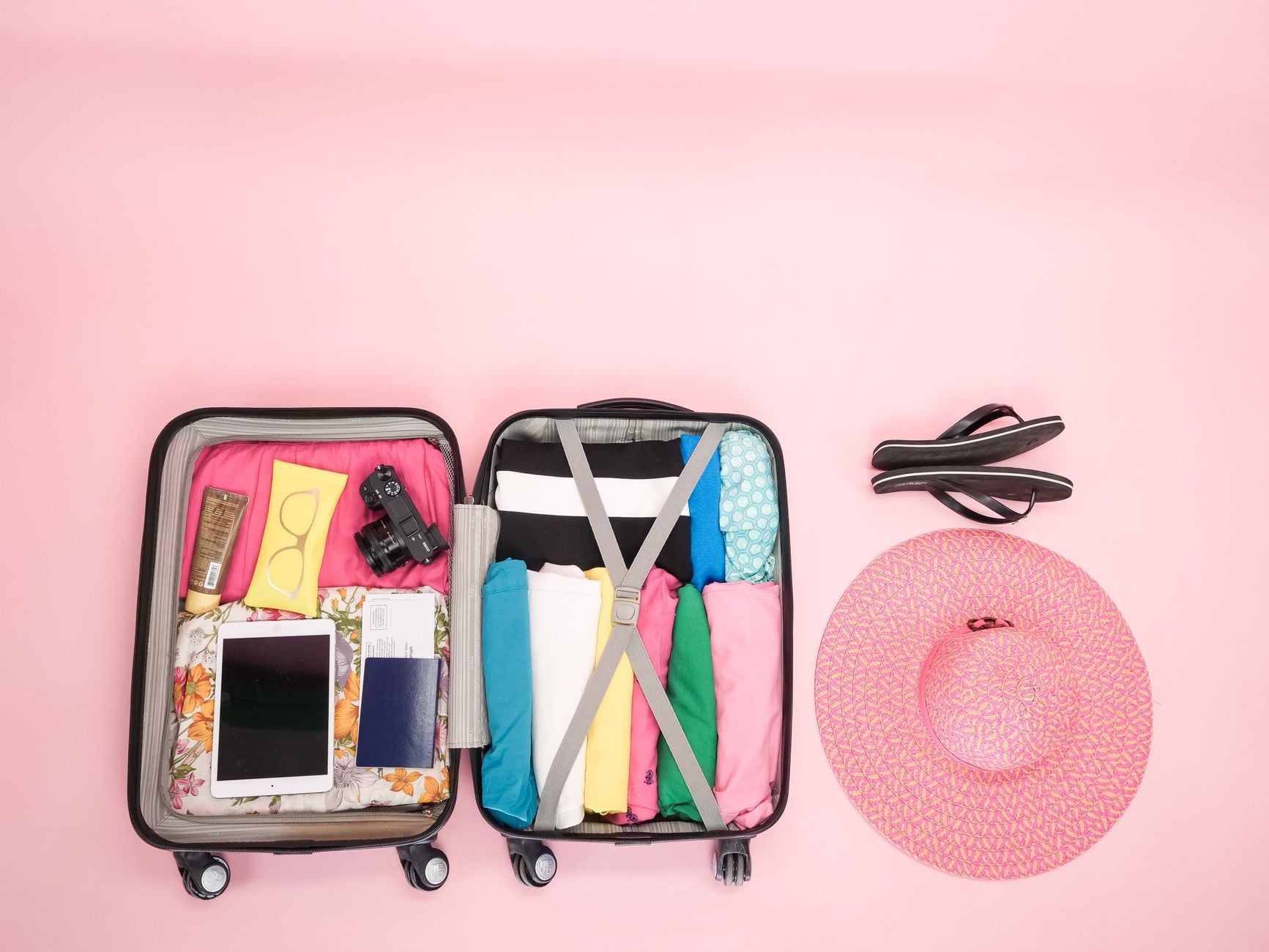

The gap between someone who travels a great deal and someone who does not rarely shows itself at the airport. It shows up later, in the small things one of them thought to bring, the items that quietly turn a minor travel disaster into a shrug. Experienced travellers pack a slightly different bag from everyone else, weighted toward the boring, the redundant, and the just-in-case, and it is those unglamorous items, far more than any clever gadget, that keep a trip running smoothly. These are the ones that most reliably separate the seasoned from the merely packed.
A proper little health kit
Most people toss a couple of painkillers into a wash bag and call it done. Seasoned travellers carry an actual kit. The health advice from the US Centers for Disease Control, aimed at exactly this problem, recommends packing your prescription medicines in your hand luggage in their original packaging, along with copies of the prescriptions including the generic drug names, hand sanitiser, and basic first-aid supplies, plus sunscreen and insect repellent depending on where you are headed.
The reasoning experienced travellers have quietly absorbed is simple. A pharmacy in an unfamiliar country, in another language, late at night, is not where you want to be trying to sort out an upset stomach, a blister, or a sudden headache. A small zip-lock bag of familiar remedies is one of the highest-value things you can carry, and it weighs almost nothing. Keeping medicines in their original packaging, and a copy of the prescription, also spares you awkward questions at some borders, since a few countries restrict drugs that are ordinary elsewhere.
A power bank, and knowing where it has to go
Nearly everyone eventually learns to bring a portable charger. The seasoned traveller also learns where it is allowed to travel. Aviation safety rules, set out by bodies such as the US Federal Aviation Administration, require spare lithium batteries and power banks to be carried in your hand luggage and never in checked bags, because of the fire risk, and if your cabin bag is taken from you at the gate you must remove the power bank and keep it with you in the cabin. Several airlines have tightened these rules further in recent years.
So the item itself is common, but the habit of keeping it charged, in the carry-on, and easy to reach is the mark of someone who has been caught out before. A dead phone in a strange city, with no map, no boarding pass, and no way to call a taxi, is precisely the small nightmare that a topped-up power bank quietly prevents.
The organisers and the small redundancies
A cluster of humble items does most of the remaining work. Packing cubes, which sceptics dismiss right up until they use them, turn a rummaged mess into a case where you can actually find things, and make repacking in a hurry painless. A reusable water bottle, carried empty through security and filled on the other side, saves money and keeps you hydrated on flights that dry you out. Copies of your passport, tickets, and bookings, photographed on your phone and printed on paper, kept apart from the originals, turn a lost document from a catastrophe into a mere inconvenience.
Then there are the boring redundancies that people wish for constantly and rarely have: a spare charging cable, a universal adapter, a few plastic bags for wet or dirty things, earplugs and an eye mask for sleeping in bright or noisy places, and a light extra layer even in summer, because aircraft cabins and northern evenings are reliably colder than you expect. None of these is exciting. All of them are the difference between a comfortable trip and a slightly miserable one.
The habit underneath the list
What unites all of it is not really a packing list but a way of thinking. Seasoned travellers pack for the trip going slightly wrong rather than for the trip going perfectly, because they have learned that it almost always does one small thing wrong, and that the cost of being ready is trivial next to the cost of not. The extra items are light, cheap, and unused on most trips, which is exactly why inexperienced travellers leave them out and experienced ones never do. The aim is not to carry more, but to carry the few small things that turn the predictable mishaps, the headache, the flat battery, the missing booking, the cold evening, into non-events.
A couple of honest caveats belong here. Not every item suits every trip; a weekend in a familiar city needs far less than a month across several time zones, and overpacking is its own mistake, so the art is a short, deliberate list of high-value just-in-cases rather than hauling your whole bathroom cabinet along. But the underlying move is easy to copy. Assemble a small, permanent kit of the dull essentials, keep it packed and ready between trips, and you inherit, more or less overnight, the quiet calm of someone who travels all the time.