About Paul Edwards

Paul writes about the psychology of everyday decisions: why people procrastinate, posture, people-please, or quietly rebel. With a background in building teams and training high-performers, he focuses on the habits and mental shortcuts that shape outcomes. When he’s not writing, he’s in the gym, on a plane, or reading nonfiction on psychology, politics, and history.

Interiors

The Danish concept of hygge was never really about candles and blankets — and what it actually means says something important about how we misread Scandinavian culture

While Americans spent millions on candles and chunky knit blankets trying to capture Danish “hygge,” they missed the uncomfortable truth: you can’t buy your way into a culture that prioritizes presence over productivity when your society demands the opposite.
Lifestyle

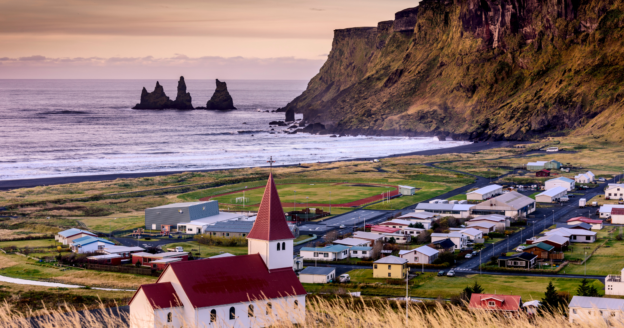
The Icelandic approach to community — where neighbours genuinely know each other and doors are left unlocked — isn’t naivety, it’s the result of a society that built trust deliberately

In a world where we clutch our phones and triple-check our locks, Icelanders leave laptops unattended in cafés and cars running while shopping—not because they’re naive, but because they’ve engineered something most societies have given up on.

Lifestyle

The Norwegian practice of taking children outside in all weather regardless of temperature isn’t about toughness — psychology says it’s one of the best things you can do for a child’s emotional development

Two young children in winter clothes sledding down a snowy hill, each on a separate sled. The child in front wears a pink hat with antlers; the child behind wears a blue hat with an animal face.

While American parents rush their kids inside at the first raindrop, Norwegian children spend hours outdoors in freezing temperatures—and groundbreaking research reveals this “extreme” practice rewires young brains for emotional resilience in ways that challenge everything we thought we knew about child development.

Lifestyle

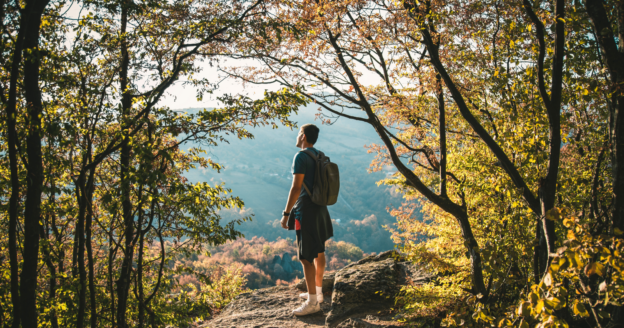
The Swedish idea of allemansrätten — the right to roam freely in nature — says something profound about how a society decides what belongs to everyone

A person with a backpack stands on a rocky outcrop surrounded by trees, looking out over a sunlit, forested landscape.

In a world where “No Trespassing” signs mark nearly every boundary, Sweden’s radical approach to property rights—letting anyone camp, swim, and forage on private land—exposes an uncomfortable truth about what happens when societies choose walls over trust.

Culture

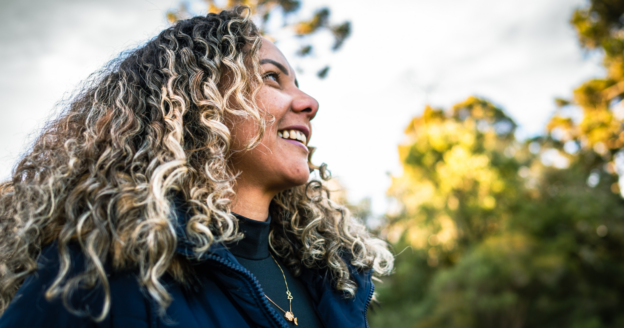
The Danish art of reframing failure isn’t about positivity — it’s a cognitive habit that behavioural science says fundamentally changes how people recover

A woman with curly, highlighted hair smiles while looking to the side outdoors, with trees and greenery in the background.

There is a document I keep on my laptop titled “Excuses That Sound Like Reasons.” I have been adding to it for years. It is a collection of the things people say — the things I have said — when avoidance needs to borrow the vocabulary of logic. “I’ll do it properly when I have […]

Lifestyle

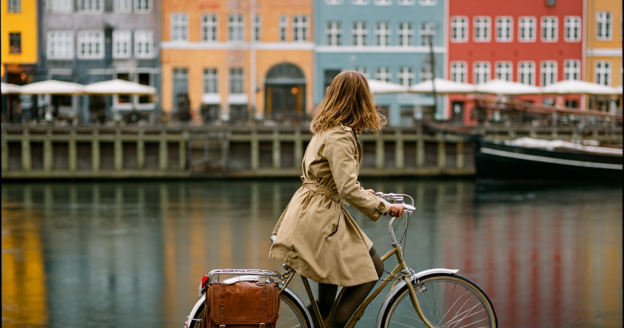
What living in a country that actually trusts its institutions does to a person’s nervous system — and why it matters more than any wellness habit

A person in a beige trench coat rides a bicycle alongside a canal, with colorful buildings and outdoor seating in the background.

After three weeks in a country where people leave babies outside cafes and call ambulances without checking their bank accounts first, I discovered why no amount of meditation or morning routines could fix the constant tension in my shoulders—my nervous system wasn’t broken, it was accurately responding to living in a place where the institutions meant to protect us have become sources of threat themselves.

Culture

The Nordic concept of friluftsliv isn’t just about spending time outdoors — psychology says it’s one of the most effective tools for emotional regulation that any culture has ever normalised

A person in an orange jacket and red beanie stands outdoors on a mountain overlooking a lake and snow-covered peaks under a bright sun.

While millions chase wellness trends and optimization hacks, Scandinavians have quietly normalized a practice that makes our therapy apps and meditation cushions look like expensive band-aids on a problem they solved generations ago.

Lifestyle

Lagom isn’t just a Swedish word for “just enough” — behavioural science says it’s one of the most psychologically sophisticated approaches to modern life that any culture has ever developed

A man in a button-up shirt stretches at his desk in front of an open laptop, with a coffee mug nearby and warm lighting in the workspace.

While cultures worldwide chase “more,” Swedish society quietly built one of the world’s highest-performing economies on a principle that sounds deceptively simple but rewires how your brain processes success, decisions, and satisfaction.