
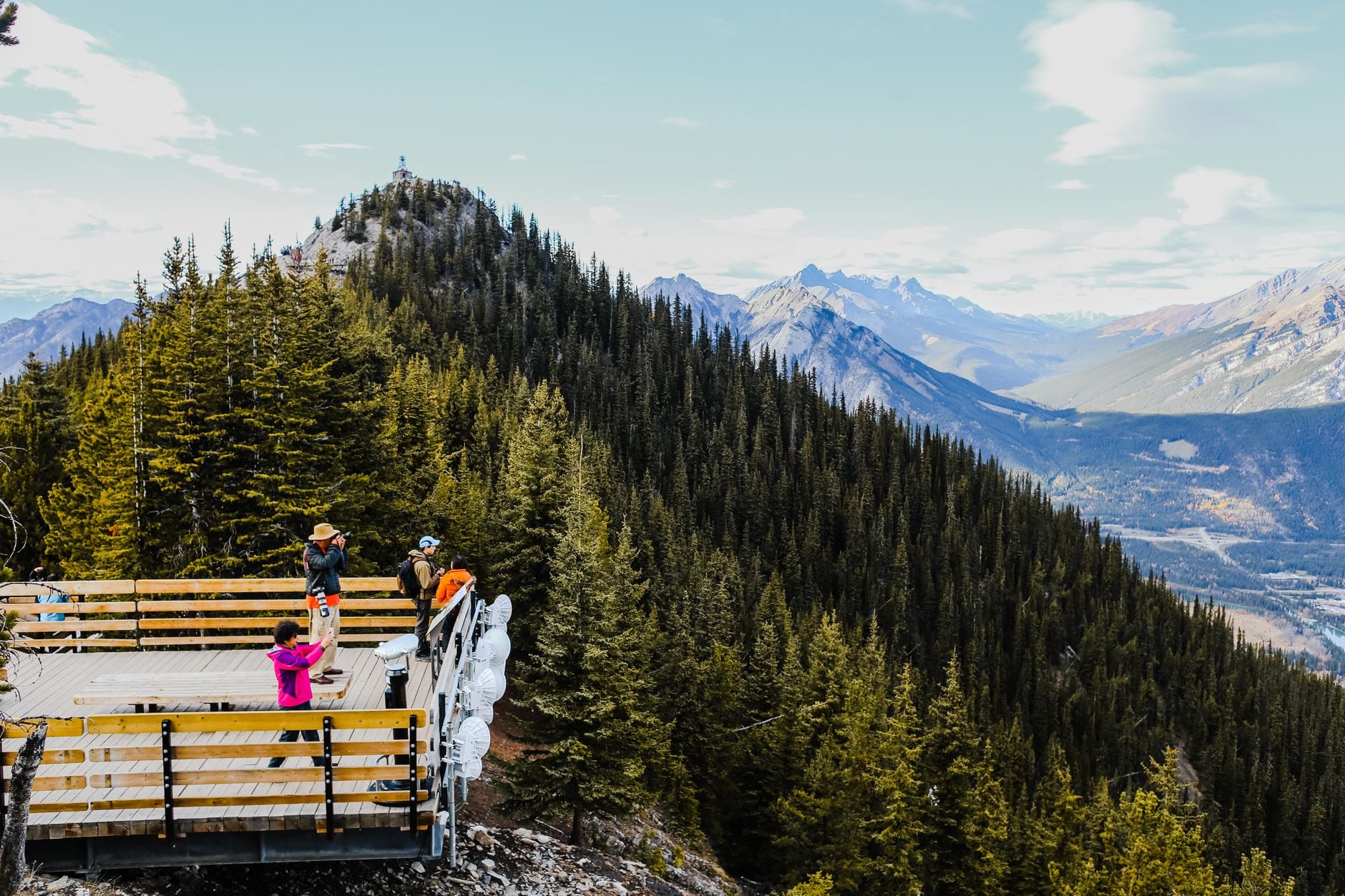

It is easy to think of tourism as something faintly trivial: cheap flights, crowded beaches, fridge magnets, sunburn. There is a whole strand of commentary that treats it as basically a nuisance to be endured. But step back, and the scale of what tourism actually does, for economies and, more surprisingly, for the natural world, is enormous, and mostly for the good. It has real costs too, which any honest account has to include and which this one will. But the positive impact is genuinely large, and worth taking seriously rather than sneering at. Here is the case, and its limits.
One of the world’s great economic engines
Start with the sheer size, because it is easy to underestimate. Travel and tourism is not a minor sector; it is one of the largest industries on earth. According to the World Travel and Tourism Council, in 2024 the sector generated roughly 10.9 trillion dollars, about 10 per cent of global GDP, and supported some 357 million jobs, meaning around one in every ten workers in the world is employed, directly or indirectly, in tourism.
Those are staggering figures for something we tend to file under leisure. And the jobs matter in a particular way. Tourism is unusually good at employing people without extensive formal qualifications, and at putting money directly into local hands, the waiters and drivers, the guides and cleaners, the owners of small guesthouses, in a way many higher-value industries never manage. It spreads its benefits sideways rather than hoarding them at the top.
A lifeline for the economies that need it most
Zoom in and the picture becomes more consequential, because tourism matters most precisely where the alternatives are fewest. For many developing countries, and above all for small island states, tourism is not one industry among several but the industry, often the single largest source of foreign currency and formal employment they have.
A country that cannot easily manufacture or export goods can still export something the world genuinely wants, a beach, a mountain, a reef, a culture, and in doing so bring in the money that pays for schools and clinics. It is one of the few global industries that reliably moves wealth from richer countries towards poorer ones, one holiday at a time. That is not a small thing, and it is a large part of why development bodies take tourism so seriously as a route out of poverty.
The surprising part: it keeps nature alive
The least obvious positive impact is perhaps the most striking. Tourism is one of the main reasons a great deal of the natural world is still there at all. This sounds paradoxical, given that tourism carries its own environmental footprint, but the underlying economics are stark. Wild land and wild animals are, brutally, often worth more cleared or killed, as timber, farmland or poached ivory, unless something makes them worth more alive.
Tourism is frequently that something. When a living elephant or a stretch of rainforest generates a steady stream of visitor money, protecting it becomes an economic decision rather than a purely charitable one. The figures bear this out: the African Wildlife Foundation notes that South Africa’s national parks agency raises more than 80 per cent of its funding from tourism, and that across the continent wildlife tourism gives communities a concrete financial reason to conserve their land rather than exploit it. A good deal of the world’s protected wilderness, its rangers and its anti-poaching patrols, is paid for, quite directly, by tourists.
The honest downsides
Here is the part a purely boosterish account leaves out, because these benefits are real but they are not automatic. Tourism can be a curse as readily as a blessing when it is badly managed. Overtourism has hollowed out cities such as Venice and Barcelona, pricing locals out of their own neighbourhoods, turning living communities into theme parks, and overwhelming the patience of residents and the capacity of infrastructure.
There is the carbon cost, aviation most of all, which sits awkwardly beside tourism’s conservation benefits. There is economic leakage, where much of what a visitor spends flows straight back out to foreign-owned airlines, hotel chains and operators rather than staying in the host country. And there is the subtler harm of cultural commodification, where a living tradition curdles into a performance staged for cameras. None of these cancels the benefits, but together they mean the benefits depend entirely on how tourism is done: on limits, on local ownership, on spreading visitors out rather than piling them into the same few honeypots.
Where it leaves us
Which is the honest conclusion. The positive impact of tourism is neither a myth nor a marketing line. It is one of the genuinely large forces for economic good in the modern world, and one of the few things standing between a great deal of wildlife and its disappearance. But that impact is a potential rather than a guarantee.
Tourism done well, spread thoughtfully, owned locally, priced to fund conservation and to respect the places it visits, is close to remarkable: it turns other people’s curiosity into your livelihood and your wilderness’s survival. Tourism done badly, concentrated, extractive and heedless, damages the very things that drew people in the first place. The industry is neither the villain the cynics describe nor the unmixed blessing the brochures promise. It is an enormous lever, and the real question is only how carefully we choose to pull it. Pulled well, few human activities do more good.